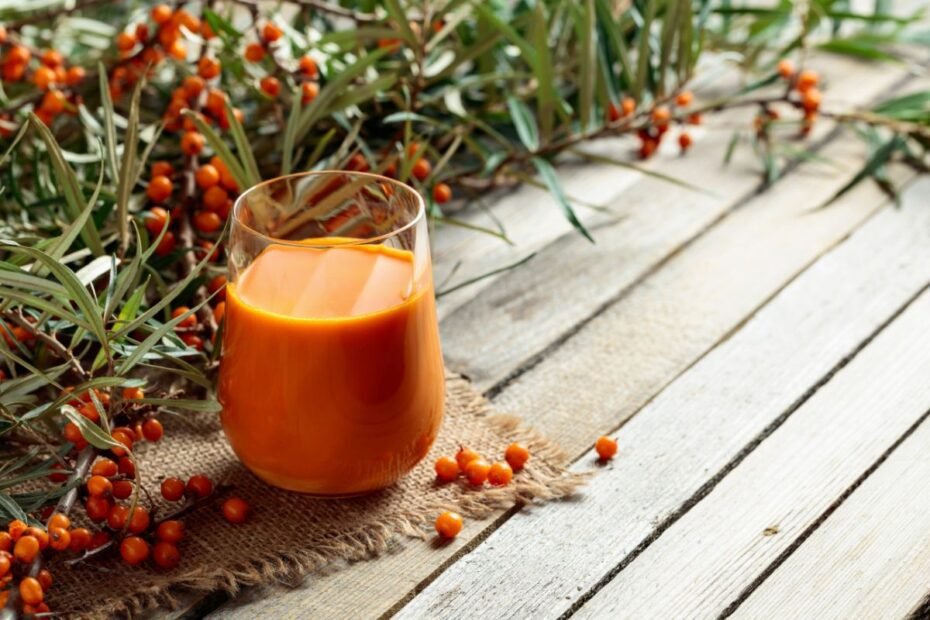
Did you know that sea buckthorn juice can provide exceptional support for your health and well-being? This vibrant beverage has gained significant popularity among health-conscious consumers and nutrition enthusiasts. You can purchase sea buckthorn juice in supermarkets, specialty health food stores, and online shops operated by organic farms and natural product suppliers. Thanks to its impressive nutritional profile and wide range of potential health benefits, many people refer to sea buckthorn juice as “liquid gold.” Better yet, you can prepare it easily at home. In this article, you will discover everything you need to know about sea buckthorn, from the plant itself to the many advantages its juice may offer.
Sea Buckthorn: A Brief Botanical Overview
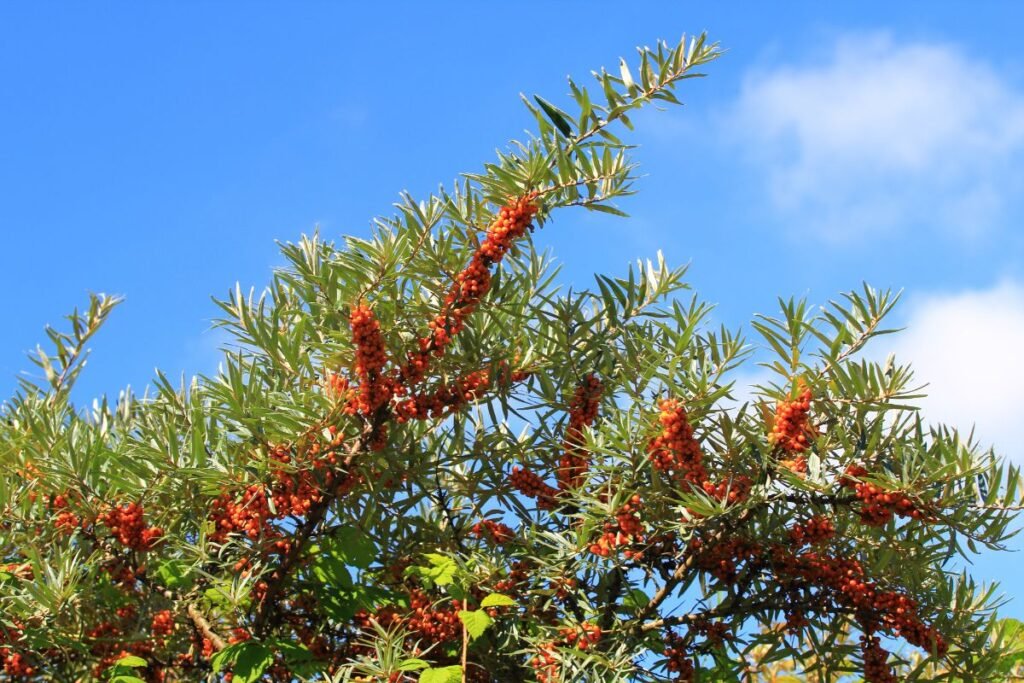
Sea buckthorn (Hippophae) is a deciduous shrub or small tree that typically grows between one and eight meters in height, although some specimens can reach up to eighteen meters. The plant features narrow, lance-shaped leaves with a distinctive silvery appearance. These leaves usually measure between three and eight centimeters in length and approximately 0.7 centimeters in width.
Sea buckthorn develops numerous sharp thorns, making harvesting challenging. Its fruits consist of small, densely clustered berries, more accurately classified as drupes. Fully ripe berries measure approximately 0.5 to 0.8 centimeters in diameter and display bright orange or golden-yellow colors. The fruit ripens during autumn, usually in September, and often remains on the branches throughout winter, providing a valuable food source for birds until spring.
Sea buckthorn grows naturally across the Caucasus region, Western Asia, Northern Europe, and Central Europe. Botanists recognize six species and nine subspecies within the genus. One of the most widespread species, common sea buckthorn, thrives across many of these regions. Researchers believe the plant reached the Baltic coastline roughly 7,000 years ago. Today, it grows in various habitats, including wetlands, sandy coastal areas, and rocky landscapes.
Sea Buckthorn in Traditional Medicine
For centuries, people have regarded sea buckthorn as a valuable medicinal plant that supports both human and animal health. Historical records reveal that ancient cultures frequently used sea buckthorn berries and berry-based preparations to maintain the strength and vitality of horses. Interestingly, the scientific name Hippophae translates roughly to “shining horse,” reflecting this long-standing association.
Ancient Greeks considered sea buckthorn a sacred plant and believed it served as a primary food source for Pegasus, the mythical winged horse. Tibetan medical texts dating back to the eighth century also describe the plant’s therapeutic applications.
Traditional healing practices utilize every part of the plant, including its roots, leaves, bark, and berries. Across different cultures, people have referred to sea buckthorn as the “miracle plant,” the “golden shrub,” and even the “gold mine of nature.”
Sea Buckthorn Berries: The Foundation of a Powerful Juice
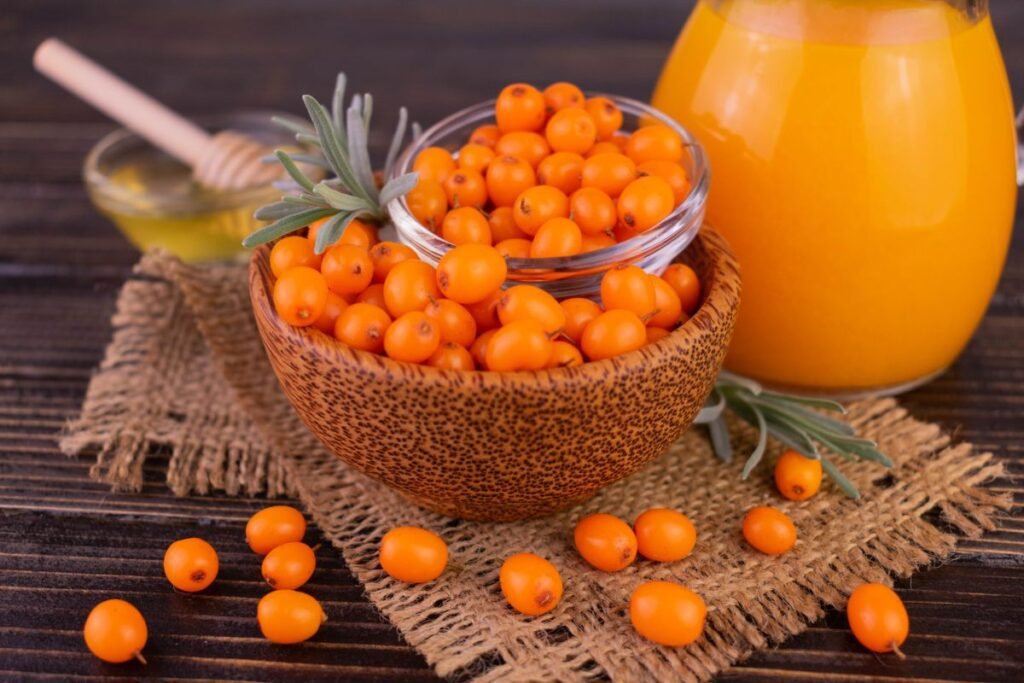
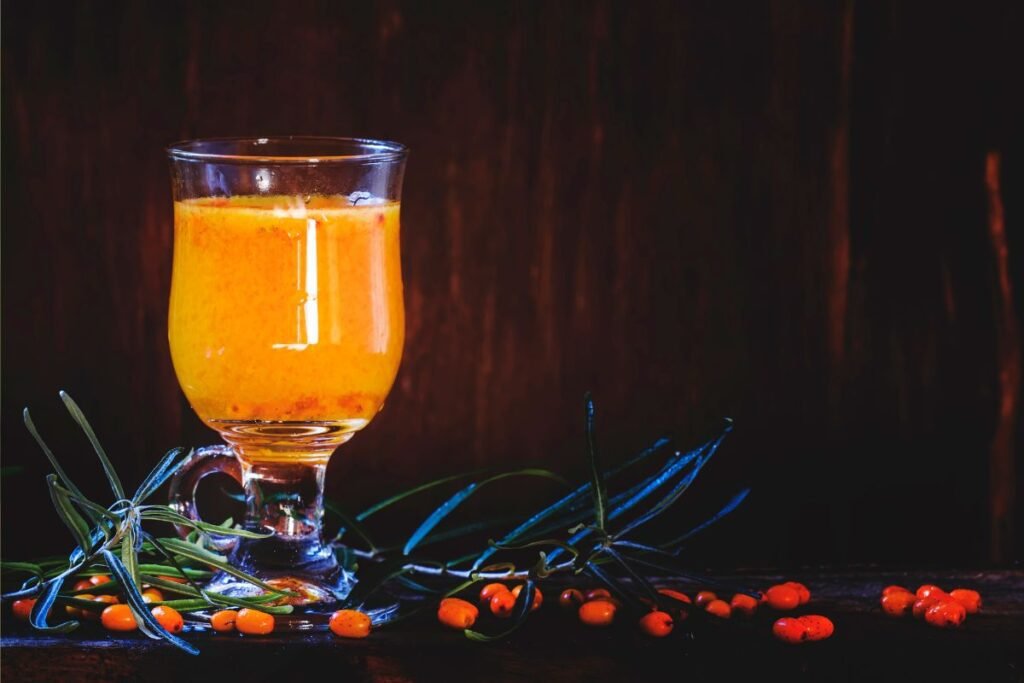
Manufacturers produce sea buckthorn juice from the plant’s berries. Unlike many fruit juices, sea buckthorn juice has a naturally rich, thick consistency because the berries contain substantial amounts of oils and beneficial fatty acids.
Harvest season typically begins in late September and continues through October. For the highest quality juice, growers select fully ripe berries that show no signs of spoilage or physical damage. Anyone harvesting wild sea buckthorn should avoid collecting berries near roadsides or other polluted environments. Clean growing conditions help ensure both safety and quality.
Many experienced harvesters prefer cutting berry-covered branches rather than picking individual berries by hand. This approach protects the delicate fruit, reduces skin damage, and minimizes the risk of injury from the plant’s sharp thorns. After harvesting, processing the berries as soon as possible helps preserve their nutritional value. Excess berries can also be frozen for future use.
The Nutritional Power of Sea Buckthorn Juice
Scientists have identified nearly 200 nutritional and biologically active compounds in sea buckthorn. Nutrition experts often describe this remarkable combination as a natural treasure trove of vitamins and health-promoting substances.
Sea buckthorn berries contain exceptionally high levels of vitamin C, carotenoids, polyphenols, and flavonoids. These compounds contribute significantly to the plant’s antioxidant capacity and biological activity. The berries also provide valuable fatty acids, phytosterols, organic acids, amino acids, and essential minerals.
For generations, traditional medicine has relied on sea buckthorn to support digestive health, cardiovascular function, and skin repair. Modern research continues to explore its pharmacological properties, including potential roles in cancer prevention, immune support, antimicrobial activity, and antiviral defense.
Evidence-Based Health Benefits of Sea Buckthorn
Supports Cardiovascular Health. Flavonoids and omega-3, omega-6, omega-7, and omega-9 fatty acids contribute to healthy cardiovascular function. Sea buckthorn stands out as one of the few plant sources of palmitoleic acid, an omega-7 fatty acid associated with metabolic and cardiovascular benefits. Together, these compounds may help maintain healthy cholesterol levels, reduce inflammation, and support overall heart health.
May Contribute to Cancer Prevention Research. Clinical studies have identified several flavonoids in sea buckthorn, including quercetin, kaempferol, and isorhamnetin, that demonstrate promising biological activity in laboratory and clinical research settings. These compounds influence the growth and proliferation of certain cancer cells, making sea buckthorn an important subject of ongoing scientific investigation.
Promotes Healthy, Youthful Skin. Sea buckthorn provides an impressive range of skin-supporting nutrients, including vitamins C, A, and E. The berries also contain high levels of gamma-linolenic acid (GLA), an omega-6 fatty acid that supports healthy circulation and helps reduce visible signs of aging. In addition, plant sterols such as beta-sitosterol and campesterol help maintain skin hydration, improve texture, and enhance overall skin elasticity. Thanks to this unique combination of bioactive compounds, sea buckthorn has become a popular ingredient in both nutritional and skincare products.
Strengthens the Immune System and Supports Disease Prevention. Sea buckthorn contains a powerful blend of antioxidants that help protect cells from oxidative stress caused by free radicals. By reducing cellular damage, these compounds contribute to the body’s natural defense mechanisms and support long-term health. Diets rich in antioxidant-containing foods may help lower the risk of various chronic diseases while promoting overall wellness. Regular consumption of nutrient-dense foods such as sea buckthorn can also help strengthen the immune system and improve the body’s ability to respond to everyday health challenges.
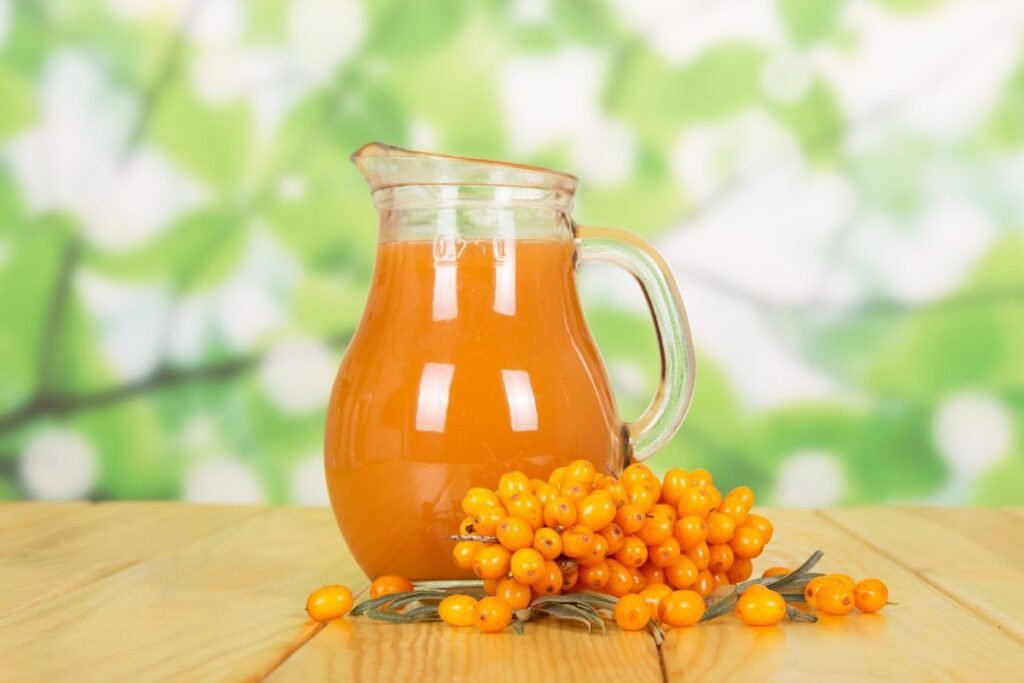
Freshly Pressed Sea Buckthorn Juice
As mentioned earlier, sea buckthorn berry juice comes from ripe sea buckthorn berries. Freshly harvested, fully mature, healthy berries produce the best flavor and nutritional value. However, frozen berries also work well and allow you to enjoy this nutrient-rich drink year-round.
Ingredients:
- 1 kg (2.2 lb) sea buckthorn berries
- 3 tablespoons of sweetener (honey, maple syrup, or sugar)
- 500 ml of water
Instructions:
- Wash the berries thoroughly and remove any stems or debris.
- Blend the berries using an immersion blender or food processor until a smooth puree.
- Add your preferred sweetener and continue blending for approximately one minute.
- Strain the mixture through a fine sieve or cheesecloth to separate the juice from the seeds and pulp.
- Dilute the juice with water and serve.
Helpful Tips
- Most people find a ratio of one part juice to five parts water ideal, although you can adjust the concentration to your taste.
- Sea buckthorn juice naturally separates into thicker and thinner layers during storage. Stir or shake the juice before drinking.
- By increasing the amount of water, you can create either a refreshing cold beverage or a soothing warm drink.
- Do not discard the leftover pulp. When combined with high-quality olive oil, it can serve as the foundation for homemade sea buckthorn oil, a highly valued natural product.
Pasteurized Sea Buckthorn Juice
If you would like to store your juice for an extended period, pasteurization offers an excellent solution. This method requires a little more preparation time but significantly improves shelf life. Traditional recipes typically use equal parts sugar and berries, though you can reduce the sugar to suit your dietary preferences.
Ingredients:
- 1 kg (2.2 lb) sea buckthorn berries
- one liter of water
- 1 kg sugar, or less if preferred.
- 2 teaspoons vanilla extract (optional)
Instructions:
- Bring the water and sugar to a gentle boil, stirring until the sugar dissolves completely.
- Add the washed berries and vanilla extract, if using.
- Simmer over low heat for 10–15 minutes. Once the liquid develops a rich orange-gold color and the berries begin to wrinkle, remove the pot from the heat.
- Transfer the warm mixture to a blender and process until smooth.
- Strain the puree thoroughly through cheesecloth or a fine mesh strainer.
- Pour the finished juice into sterilized bottles or jars and seal tightly.
- Store the juice in a refrigerator or a cool cellar.
Sea Buckthorn Juice for Skin Care and Beauty
The benefits of sea buckthorn for skin health extend far beyond traditional folklore. Both scientific research and practical experience highlight its ability to support skin hydration, elasticity, and overall appearance. You can easily prepare several effective skincare treatments at home. For best results, limit these treatments to one or two applications per week.
- Hydrating Face Mask. Using 1 teaspoon of high-quality sour cream and 1 teaspoon of sea buckthorn juice, you can make a remarkable hydrating face mask. Mix the ingredients thoroughly until they form a smooth paste. Apply the mixture to clean, slightly damp facial skin and leave it on for up to 20 minutes. Rinse with lukewarm water. This mask helps replenish moisture, improve skin elasticity, and support a smoother, more youthful appearance.
- Nourishing Face Mask. This nourishing treatment softens the skin, improves texture, and helps maintain firmness and elasticity. Combine 2 tablespoons of full-fat cottage cheese, 1 teaspoon of sea buckthorn juice, and 1 egg yolk until smooth. Apply the mixture to the face and neck and leave it in place for approximately 15 minutes. Rinse thoroughly with warm water.
Sea Buckthorn Juice and Women’s Health After 50
Researchers have explored the potential impact of sea buckthorn juice on cardiovascular health in middle-aged and older women. One clinical study focused on women aged 50 and above with elevated cholesterol levels. The researchers aimed to evaluate the influence of regular consumption of pure sea buckthorn juice on heart health markers.
The study included 19 women with an average age of approximately 55 years. Participants consumed 50 milliliters of 100% sea buckthorn juice daily for eight weeks. Researchers monitored blood test results and other health indicators before, during, and after the study.
The findings suggested that regular consumption of sea buckthorn juice may contribute to healthier cholesterol levels and support cardiovascular wellness. While larger studies remain necessary, the results indicate promising potential for women seeking natural ways to support heart health as they age.
Potential Side Effects and Precautions
Sea buckthorn products generally have an excellent safety profile when used both internally and externally. Most people tolerate them well and experience few, if any, adverse effects. However, certain individuals should exercise caution.
Possible Interactions with Medications. If you take blood pressure medication or blood-thinning drugs, consult your healthcare provider before consuming sea buckthorn juice regularly. The juice may enhance the effects of these medications and increase the risk of unwanted complications.
Allergic Reactions. People who have allergies to sea buckthorn or related plant species should avoid consuming its products. Allergic reactions can range from mild symptoms to more significant responses in sensitive individuals.
Pregnancy and Breastfeeding. Researchers have not yet established sufficient evidence regarding the safety of sea buckthorn juice during pregnancy or breastfeeding. Pregnant and nursing women should seek medical advice before adding sea buckthorn products to their diet.
Sources:
- https://www.ncbi.nlm.nih.gov/pmc/articles/PMC9763470/
- https://www.webmd.com/diet/health-benefits-sea-buckthorn
- https://pubmed.ncbi.nlm.nih.gov/37309905/
- https://pubmed.ncbi.nlm.nih.gov/37309905/
Associative photos ©canva.