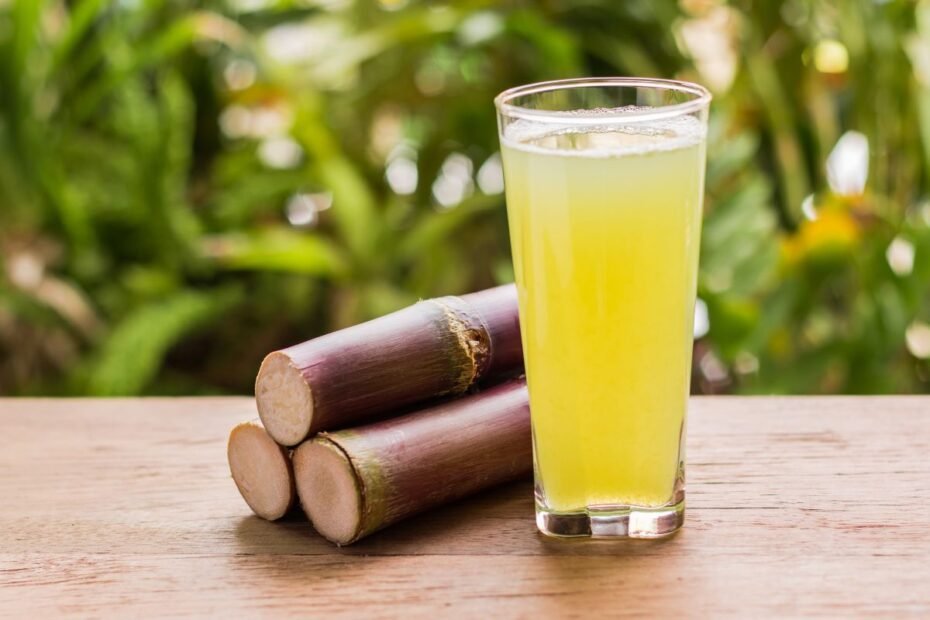
Sugarcane juice is a natural drink made by extracting the liquid from fresh sugarcane (Saccharum officinarum). Unlike refined white sugar, fresh sugarcane juice undergoes little to no processing before consumption. This allows it to retain its characteristic flavour and some naturally occurring nutrients. It can provide a quick source of energy for physically active people, help replenish fluids, and offer some benefits associated with sports drinks. However, its high natural sugar content also makes it a less suitable choice for certain individuals. In this article, we explore the nutritional value, potential benefits, and possible risks of sugarcane juice, as well as how to prepare it at home.
What Is Sugarcane Juice Like?
Not everyone may try this exotic-looking and tempting drink, so let’s explore its sensory characteristics in more detail.
Fresh sugarcane juice has a distinctly sweet yet relatively delicate flavour, without burnt or caramelised notes. It may also have a subtle grassy or vegetal aftertaste. More experienced tasters might detect a faint hint of acidity or a delicate mineral-like note.
Its aroma is fresh, green, and vegetal, reminiscent of freshly cut grass, young corn, or sugar beets.
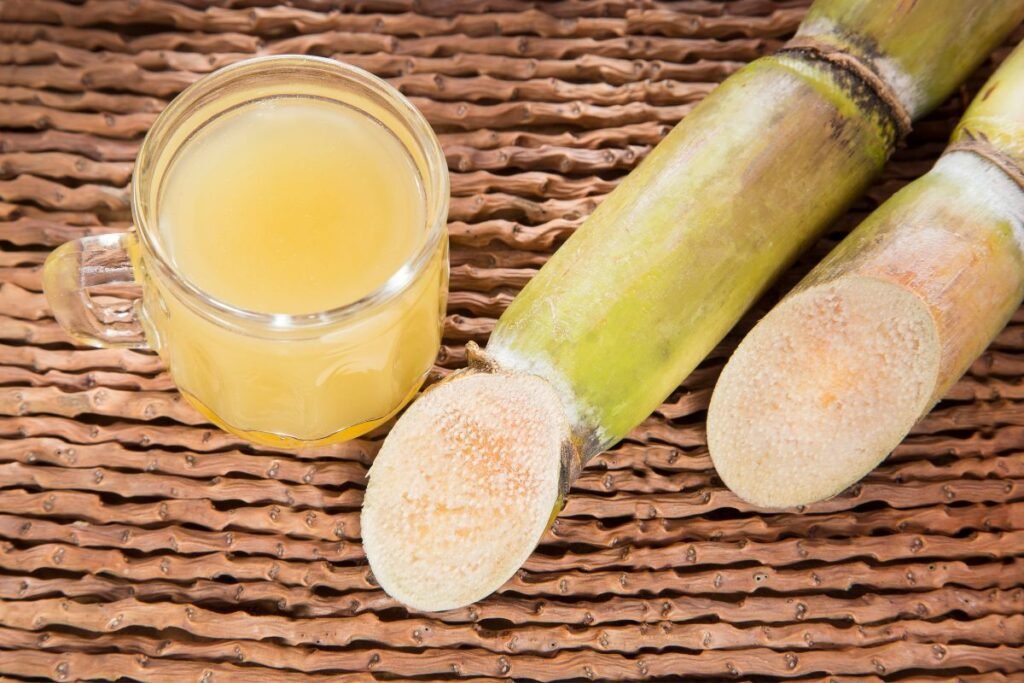
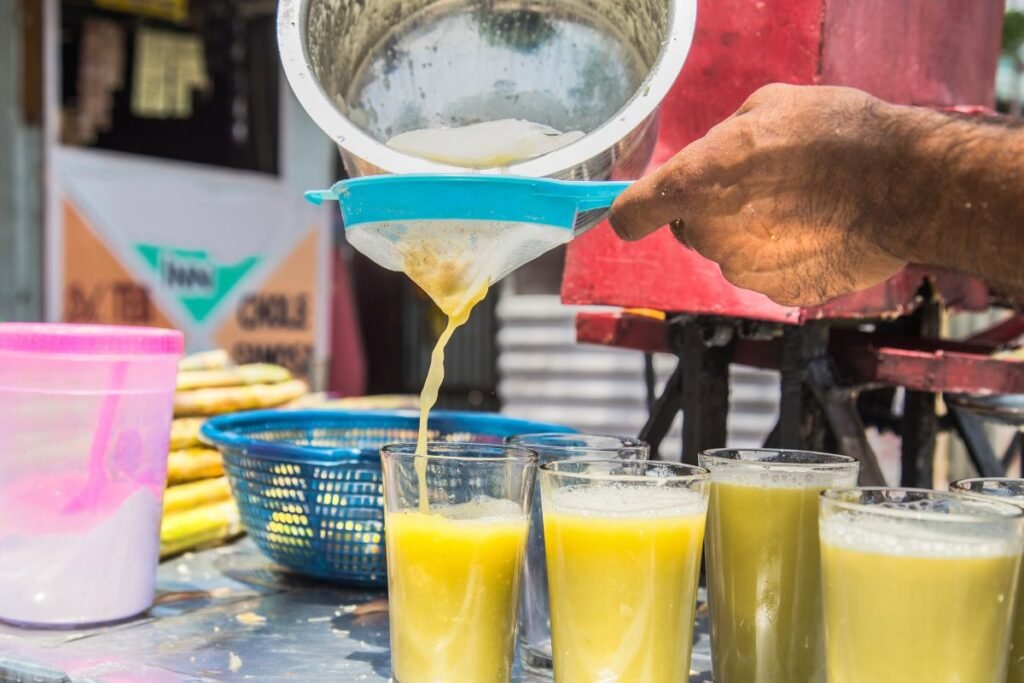
Freshly extracted sugarcane juice typically ranges from pale green to yellowish-green. It may appear naturally cloudy and gradually darken as oxidation occurs. When you drink it, you can expect a refreshing texture with a slight viscosity.
Nutritional Composition
Sugarcane juice primarily contains various sugars, but these are not its only nutritionally relevant components. Table 1 presents the approximate amounts of selected nutrients found in 100 ml of sugarcane juice.
| Nutrient | Amount per 100 ml |
| Energy | ~40 kcal (≈170 kJ) |
| Carbohydrates | ~10–12 g |
| Protein | <1 g |
| Fat | <0.5 g |
| Calcium (Ca) | ~30–100 mg |
| Potassium (K) | ~100 mg |
| Magnesium (Mg) | ~10–20 mg |
| Iron (Fe) | A few milligrams |
Although sugarcane juice is known for its carbohydrate content (mainly sucrose, glucose, and fructose) and its energy-providing properties. A closer look at the scientific literature reveals several other potentially beneficial compounds.
Some sources also report soluble fibre in sugarcane juice, accounting for approximately 10–15% of its carbohydrate content. However, this proportion can vary considerably depending on the extraction and filtration methods, so it should not be assumed to apply to every sample of sugarcane juice.
Sugarcane juice also contains compounds that may exhibit antioxidant activity, including:
- Polyphenols
- Flavonoids
- Flavones, including apigenin, luteolin, and tricin
- Phenolic acids, such as hydroxycinnamic, sinapic, and caffeic acids
- Organic acids, including chlorogenic, cinnamic, malic, succinic, aconitic, and citric acids
- Trace amounts of B vitamins
Sugarcane Juice Benefits
Sweet drinks do not usually rank among the healthiest dietary choices. However, fresh sugarcane juice may offer certain benefits when consumed in moderation as part of a balanced diet, like:
- Antioxidant activity. Sugarcane juice contains antioxidants (phenolic compounds, flavonoids), which can help neutralise free radicals. Laboratory studies suggest that these compounds may reduce lipid peroxidation and help protect DNA from oxidative damage. These properties may partly explain its support for cellular health and help regulate oxidative stress. However, laboratory findings do not necessarily translate into proven health benefits in humans.
- Energy replenishment after exercise. A sports nutrition study (published in 2014) involving 15 athletes found that sugarcane juice increased blood glucose levels during and after exercise compared with water or a commercial sports drink. These findings suggest that sugarcane juice can serve as a natural source of carbohydrates and readily available energy during physical activity. The study also suggests that sugarcane juice may perform similarly to commercial sports drinks, which support blood glucose levels and hydration during strenuous exercise.
- Hydration and electrolyte replenishment. Sugarcane juice has a high water content and provides minerals such as potassium and magnesium. These properties may help replenish fluids and some electrolytes, particularly in hot weather or after exercise. However, its electrolyte composition differs from that of formulated isotonic drinks, so you should not automatically consider the two interchangeable.
- Potential support from bioactive compounds. The flavonoids and polyphenols in sugarcane juice may have antioxidant and anti-inflammatory properties. Researchers are investigating these compounds because oxidative stress and chronic inflammation play a role in various chronic diseases. Nevertheless, we still need more human studies to establish whether drinking sugarcane juice provides meaningful protection against these conditions. Although the juice also has some minerals, its nutritional value depends on its composition and the amount consumed.
Where to Find Sugarcane Juice and How to Make It at Home
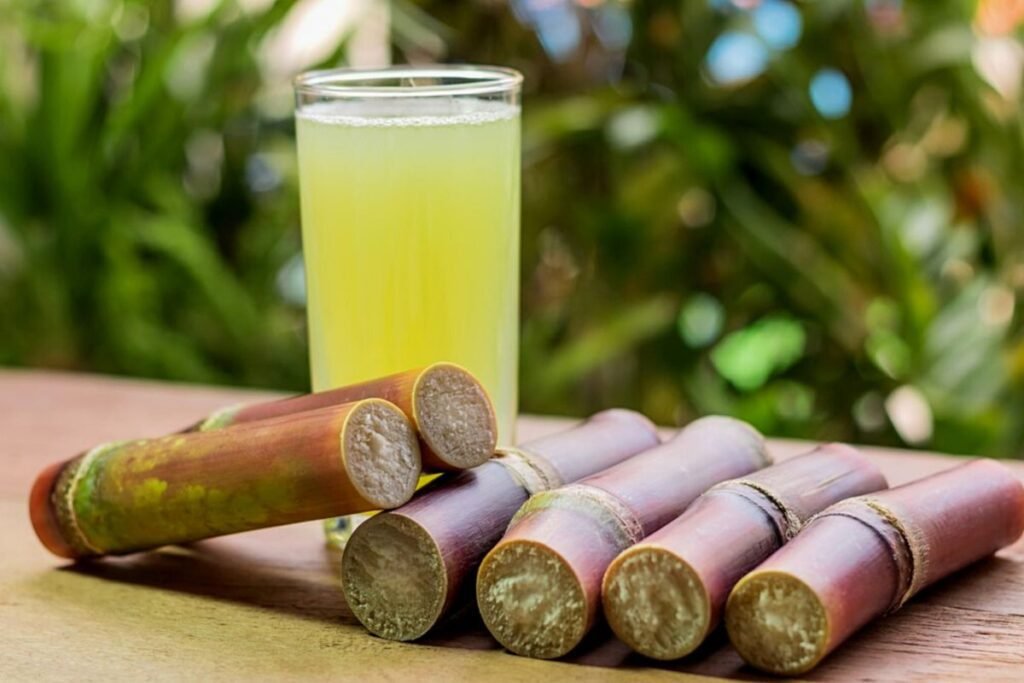
Fresh, unprocessed sugarcane juice can be difficult to find in Lithuania. You may encounter it while travelling in Asia, or you can make it at home. Ready-to-drink sugarcane juice is not widely available in some markets, although sugarcane syrup, molasses, and other sugarcane-derived products offer alternative ways to experience its flavour. If you want to prepare fresh juice, your first challenge will be finding suitable raw sugarcane stalks. Speciality shops selling exotic fruit and vegetables may occasionally stock them, and some online retailers may offer them as well.
If you manage to find a few fresh sugarcane stalks, you can try extracting their juice at home. Commercial producers typically use roller presses to crush the stalks and extract the liquid. Since most households do not have this equipment, a powerful blender offers a possible alternative. Keep in mind that a blender will not extract the juice as efficiently as a proper sugarcane press.
Ingredients and Equipment for Juice Preparation
- Fresh sugarcane stalks (2–3 stalks, approximately enough for one glass of juice, depending on their size and juiciness)
- Drinking water (optional)
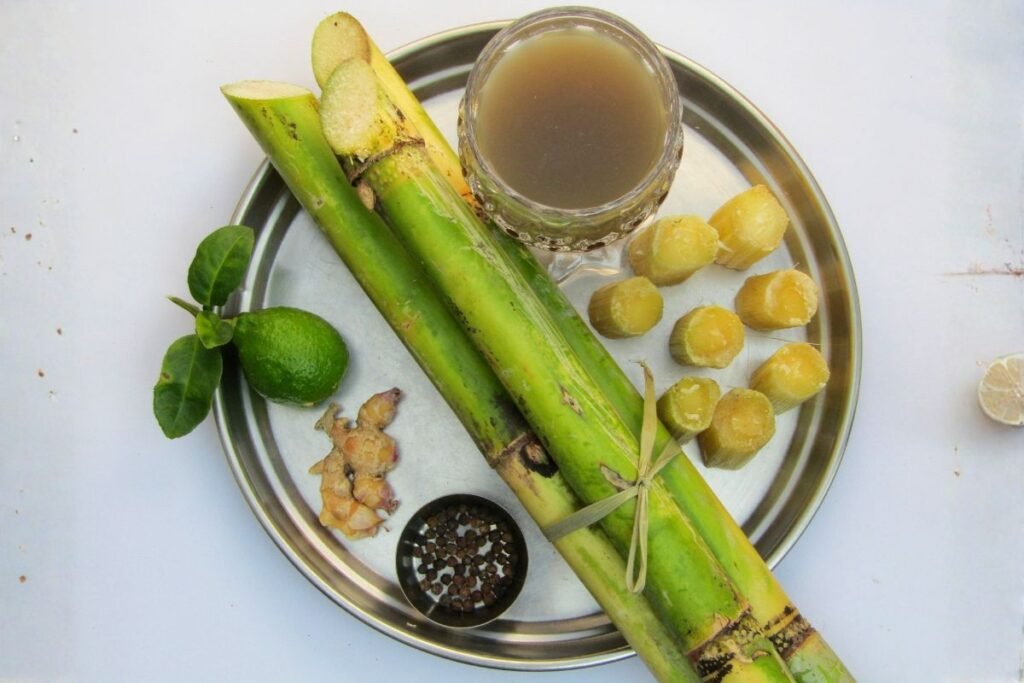
- Lemon juice or fresh ginger (optional, for flavour)
- A very sharp, sturdy knife or a suitable cutting tool
- A powerful blender
- Fine-mesh strainer or clean muslin cloth
Preparation:
- Wash and prepare the stalks. Rinse the sugarcane thoroughly under running water. Remove the tough outer rind, and cut the stalks into pieces 3–5 cm long.
- Blend the sugarcane. Place the pieces in a powerful blender. If necessary, add one or two tablespoons of drinking water to help the blades move. Blend until the mixture forms a coarse, fibrous pulp.
- Extract the juice. Transfer the pulp to a fine-mesh strainer or clean muslin cloth. Press firmly to extract as much liquid as possible. If you use a cloth, squeeze it carefully to avoid spilling. Strain the liquid a second time for a smoother texture.
- Add lemon juice if desired. A few drops of fresh lemon juice can add a refreshing tang and may slow enzymatic browning. Refrigerate the juice promptly after extraction.
- Drink it fresh. For the best flavour and quality, consume sugarcane juice soon after preparation. Fresh juice can deteriorate quickly, especially if you prepare it under non-commercial conditions. Refrigeration slows microbial growth but does not eliminate the risk of contamination. For this reason, prepare only as much as you intend to drink and avoid relying on a fixed storage period of 12–24 hours as a guarantee of safety.
What Are the Potential Side Effects?
Although sugarcane juice may offer certain benefits, remember that it is a sugary, calorie-containing drink. Its high sugar content makes moderation particularly important for the following reasons:
- Rapid increases in blood glucose levels. Sugarcane juice contains high amounts of readily absorbable sugars, which can quickly raise blood glucose levels and trigger an insulin response. People with diabetes, insulin resistance, or metabolic syndrome should exercise particular caution when consuming this drink and consider their individual dietary needs.
- Excessive calorie and sugar intake. Sugarcane juice may not be the best choice for people trying to manage their weight, as it provides a substantial amount of sugar and calories relative to its nutritional benefits. Over time, excessive sugar intake can contribute to weight gain and increase the risk of metabolic health problems, including metabolic dysfunction-associated steatotic liver disease (MASLD).
- Negative effects on dental health. Sugars in drinks can contribute to tooth decay when oral bacteria metabolize them and produce acids that erode tooth enamel. Frequent exposure to sugary drinks increases this risk.
- Digestive discomfort. Some people may experience digestive symptoms after drinking sugarcane juice, including bloating, diarrhea, or abdominal cramps. Individual tolerance and the amount consumed can influence the likelihood of these symptoms.
- Microbiological risks. Fresh, unpasteurized sugarcane juice can ferment quickly and may harbor harmful microorganisms if producers or vendors handle it improperly. Contamination becomes a particular concern when vendors prepare juice in unhygienic conditions or leave it unrefrigerated for extended periods. Children, pregnant women, and people with weakened immune systems should avoid unpasteurized juice because foodborne infections can have more serious consequences for these groups. Choose juice from a reliable source that follows appropriate hygiene practices, and remember that refrigeration slows microbial growth but does not eliminate existing pathogens.
Sources:
- https://www.ukaazpublications.com/publications/wp-content/uploads/2024/July/45.pdf
- https://pmc.ncbi.nlm.nih.gov/articles/PMC4441162
- https://www.sciencedirect.com/science/article/abs/pii/S0308814607007479
Associative photos © Canva.