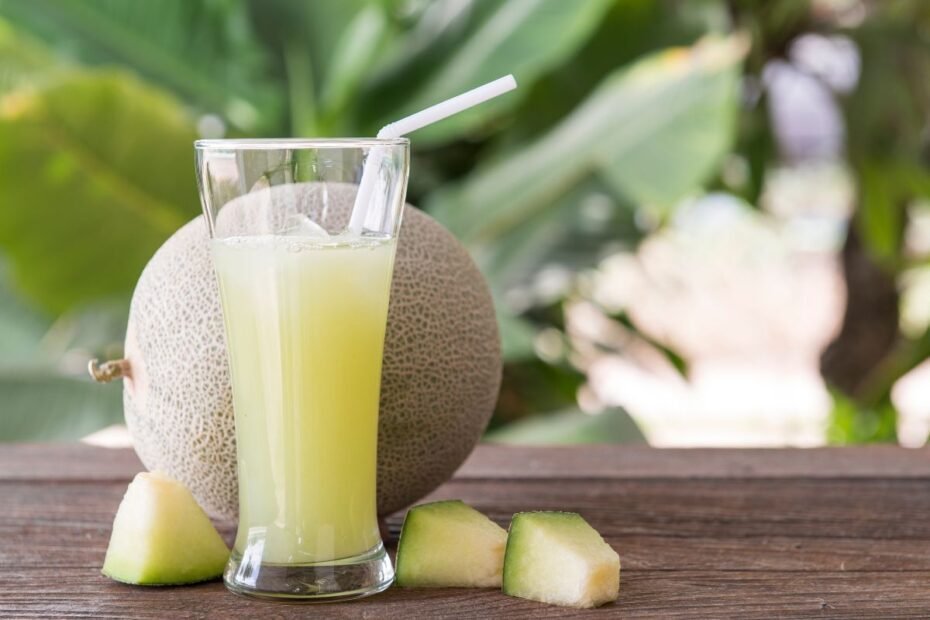
Sweet, refreshing, and naturally rich in flavour, melon juice makes an especially appealing drink during the warmer months. With melons widely available and often abundant in summer, their juice offers a refreshing way to stay hydrated. It can also add a range of valuable nutrients and plant compounds to your diet.
Choosing different melon varieties can further diversify both the flavour and nutrition of your juice. Each variety contains various combinations of naturally occurring compounds, creating subtle differences in taste, aroma, and colour. So, let’s explore the potential benefits of melon juice, which melons you can use to make it at home, and who may need to limit or avoid this drink.
Which Melons Can You Use to Make Juice?
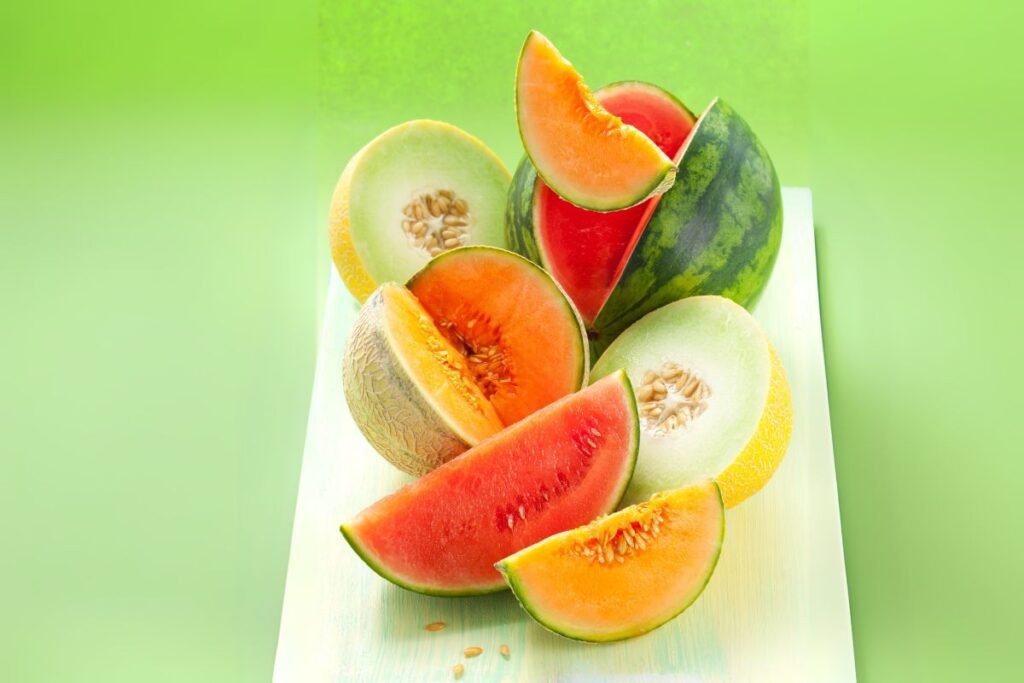
We commonly encounter several melon varieties and types that work well for juicing. These include:
- Cantaloupe (Cucumis melo var. cantalupensis) – this melon stands out with its orange to reddish-orange flesh and rough, netted rind.
- Honeydew (Cucumis melo subsp. melo var. inodorus) – this type of melon includes the familiar Honeydew variety. It typically has a pale yellow rind and white to pale green flesh with a mild, sweet flavour.
- Gwanipa – this variety develops yellowish to orange flesh, while its pale rind features a distinctive netted pattern and darker longitudinal stripes.
- Galia – Galia melons have a characteristic netted rind and thick, juicy flesh that ranges from pale green to yellow. Their naturally sweet flavour makes them particularly suitable for fresh juices.
- Piel de Sapo – these elongated melons have a dark green, textured rind and greenish flesh with a sweet, refreshing taste.
Properties of Melon Juice by Variety
As you might expect, melon juice varies considerably depending on the variety: its flavour, colour and nutritional profile can all differ. The main differences between juices made from different melon varieties, along with their key properties, are presented in Table 1.
| Melon subspecies or variety | Flesh characteristics | Nutrient and bioactive compound content | Other notes and juice characteristics |
| Cantaloupe | Bright orange flesh, highly aromatic and sweet. | Very high in β-carotene and vitamin C, with strong antioxidant potential. | The most extensively studied variety; the juice has a vibrant colour, sweet flavour and floral aroma. |
| Honeydew | Greenish-white flesh, subtly sweet with a milder aroma. | Lower in carotenoids but higher in folate, potassium and magnesium. | The juice is mild and refreshing, making it suitable for blends with other fruits because of its relatively neutral flavour. |
| Galia | Yellow, sweet and aromatic flesh. | Contains considerable amounts of vitamin C and phenolic compounds; sweeter than Honeydew. | A popular dessert variety; its juice is aromatic but contains fewer pigments than Cantaloupe juice. |
| Piel de Sapo | Greenish flesh, moderately sweet and refreshing. | Rich in vitamin C and a good source of potassium, but contains very few carotenoids. | The juice has a pale green colour and a particularly refreshing character reminiscent of cucumber. |
| Orange Candy | Bright orange flesh, exceptionally sweet with an intense flavour. | Very high in sugars, including fructose and sucrose, as well as β-carotene and vitamin C. | Has a distinctly dessert-like flavour; the juice resembles a sweet nectar. |
| Gwanipa | Yellowish or orange flesh with moderate sweetness. | Moderate levels of antioxidants. | Less extensively studied, but its juice may offer interesting regional flavour notes. |
What Is Melon Juice Like?
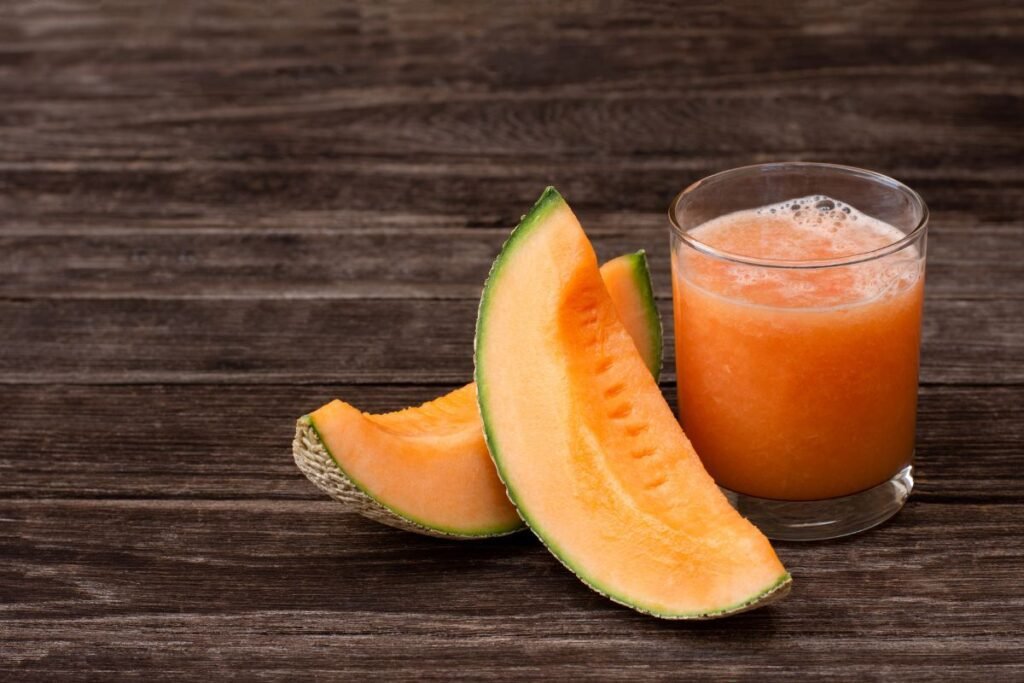
In short, melon juice tastes mildly sweet, aromatic, velvety, and exceptionally refreshing. Its character often feels closer to a light dessert than to a conventional fruit juice. For a more precise description, however, let’s take a closer look at the main sensory characteristics of melon juice.
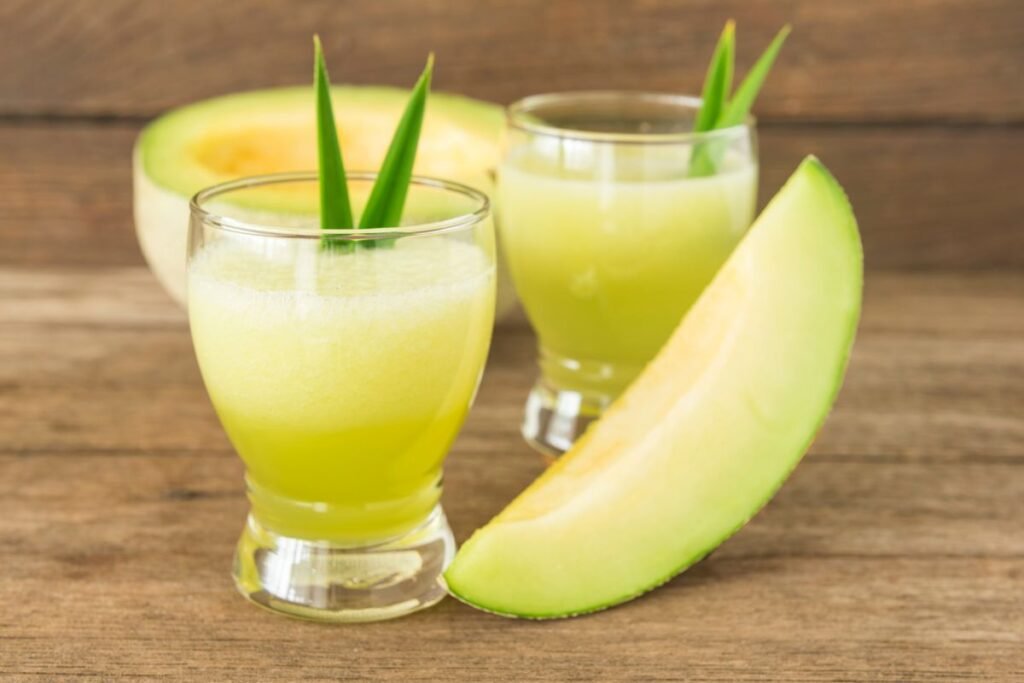
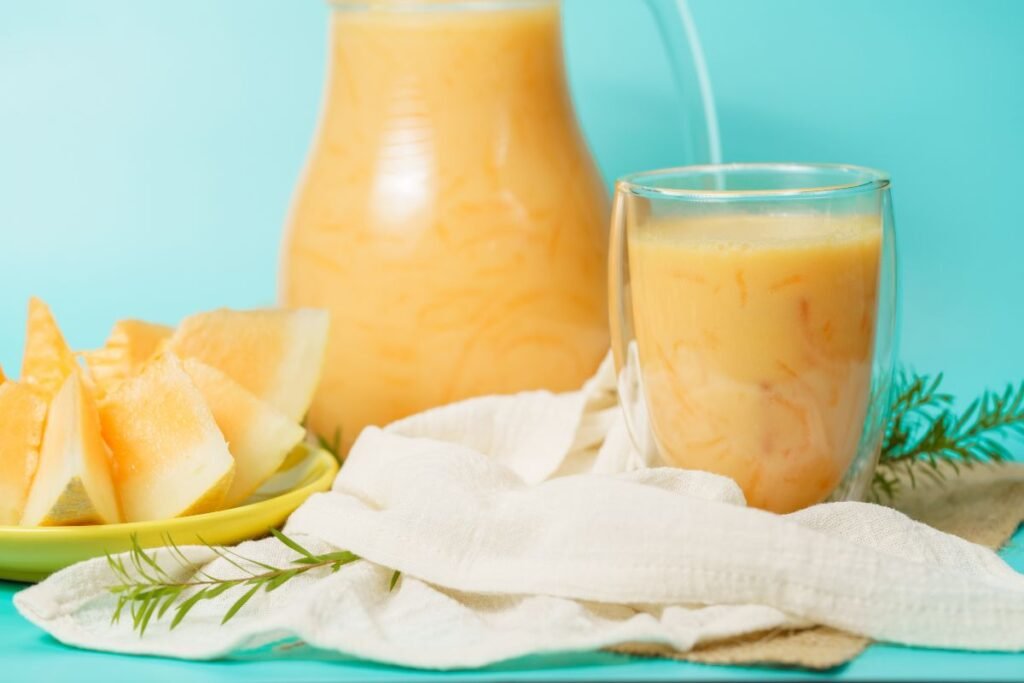
The colour of melon juice mostly depends on variety. Cantaloupe produces a soft orange or peach-coloured juice, while yellow melons typically yield a pale yellow or almost translucent juice with a subtle golden hue. In terms of clarity, melon juice usually looks cloudy rather than completely clear because fine particles from the flesh remain suspended in the liquid.
The flavour is naturally quite sweet, although it generally lacks the intense, sugary character of grape or mango juice. Instead, melon juice tends to offer gentle notes reminiscent of honey and flowers. You may also notice a fresh, slightly cucumber-like quality that provides the drink its refreshing character. Depending on the variety, the flavour can also develop subtle muscat or tropical fruit notes.
The aroma complements the flavour with light, fruity, and mildly floral notes. Cantaloupe juice tends to have the most pronounced aroma, sometimes evoking peaches or apricots. Yellow melon varieties usually smell more delicately, with a fresh character reminiscent of cucumber.
Freshly pressed melon juice tends to have a thicker texture than apple juice or orange juice. Although melon flesh contains plenty of water, it also contains soft dietary fibre and fine pulp particles. As a result, the juice feels smooth and velvety, sometimes with tiny pieces of pulp. Straining makes the juice smoother, but it still retains its naturally soft texture.
Nutritional Value of Melon Juice
Although melon juice may seem like little more than a sweet and refreshing drink, melons contain a range of nutrients and bioactive compounds. The available nutritional data are presented in Table 2.
| Nutrient or compound | Amount per 100 ml of fresh melon juice |
| Energy | ~30–40 kcal |
| Carbohydrates (sugars) | 7–9 g |
| Protein | <1 g |
| Fat | <0.2 g |
| Vitamin C (ascorbic acid) | 25–37 mg (approximately 41% of the daily value) |
| β-carotene (provitamin A) | 0.15–0.30 mg |
| Total carotenoids | 0.2–0.5 mg |
| Folate (vitamin B9) | ~10 µg |
| Vitamin B6 | ~0.05 mg |
| Potassium (K) | 250–300 mg (approximately 6% of the daily value) |
| Magnesium (Mg) | 10–12 mg |
| Phosphorus (P) | 10–15 mg |
| Copper (Cu) | 0.02 mg |
| Total phenolic compounds | 0.8–1.2 mg |
This list can also include a range of phenolic compounds, including phenolic acids (gallic acid and syringic acid).
The carotenoid group includes not only β-carotene but also other carotenoids, such as lutein and zeaxanthin, which contribute to provitamin A activity and antioxidant capacity. Researchers have confirmed the overall antioxidant activity of melon-derived compounds in vitro using DPPH, ABTS, and FRAP assays. However, these laboratory findings do not necessarily translate directly into the same effects in humans.
Melon Juice and Its Potential Health Benefits
Melons offer more than a naturally sweet way to satisfy a craving for something refreshing. Their nutritional composition includes water, electrolytes, vitamins, minerals, and various bioactive compounds that may support different aspects of health. However, it is important to distinguish potential benefits supported by preliminary research from clinically established effects. The main areas of interest include
Hydration and Hydro-Electrolyte Balance
Melon juice contains a high proportion of water along with electrolytes, particularly potassium and magnesium, which can contribute to fluid replacement after physical activity or exposure to heat. Researchers often highlight this property in studies of watermelon juice, as watermelon belongs to the same botanical family and shares some compositional characteristics with other melons. Nevertheless, the exact electrolyte content varies between melon varieties, so you should not consider all melon juices equivalent to a formulated sports drink.
Cardiovascular Health
Melons contain amino acids such as L-citrulline and L-arginine, which participate in pathways involved in nitric oxide production and vascular function. Some research suggests that these compounds may support healthy blood flow and blood pressure. Melon carotenoids also contribute antioxidant activity, which may help protect cells from oxidative stress. However, evidence linking melon juice to improved cardiovascular outcomes remains limited, and researchers need more human studies before drawing firm conclusions.
Antioxidant and Anti-Inflammatory Activity
Phenolic compounds and carotenoids contribute to the antioxidant properties of melons. Laboratory research has identified antioxidant activity using the DPPH technique, nitric oxide inhibition, and angiotensin-converting enzyme inhibition assays. These findings suggest that melon-derived compounds may help counter oxidative processes.
However, antioxidant activity measured in vitro does not automatically mean that drinking melon juice will prevent cardiovascular disease, cancer, or other chronic conditions. The results also vary considerably between melon varieties and can depend on growing conditions, ripeness, and processing methods.
Metabolic Health, Weight Management, and Glucose Regulation
Research involving animals and humans suggests that extracts from certain varieties of Cucumis melo may influence glucose metabolism, insulin sensitivity, body weight, and adipocyte size. These findings have attracted interest in the potential role of melon-derived compounds in metabolic health and weight management.
However, researchers have conducted much of this work using specific melon cultivars or concentrated extracts rather than ordinary melon juice. Therefore, we cannot assume that drinking melon juice produces the same effects. More research, particularly well-controlled human trials involving different melon varieties, is needed.
Cardioprotective and Anti-Atherogenic Potential
One study using a methanolic extract of melon seeds found potential anti-atherogenic and cardioprotective effects in mice fed a high-fat diet. The findings are interesting because they suggest that melon compounds may influence cardiovascular health and lipid metabolism.
This research focuses on melon seed extract rather than melon juice, so the results cannot directly support claims about the cardiovascular benefits of drinking melon juice. Further research could help determine whether compounds found in different parts of the melon have meaningful effects on human cardiovascular health.
Potential Anticancer Activity
Researchers have also investigated various melon extracts for potential anticancer activity in cell cultures. In vitro experiments have reported cytotoxic effects against several cancer cell lines, including prostate, colorectal, cervical, and breast cancer cells. Some studies have observed particularly pronounced effects against prostate cancer cells.
These findings may help researchers identify bioactive compounds worthy of further investigation, but they do not demonstrate that melon juice can prevent or treat cancer. Cell-culture experiments use concentrated extracts under controlled laboratory conditions, which differ substantially from consuming melon or melon juice as part of a normal diet. Further animal and human research would need to confirm whether these compounds have any clinically meaningful anticancer effects.
Melon Juice with Spices – A Unique Flavour Experience at Home
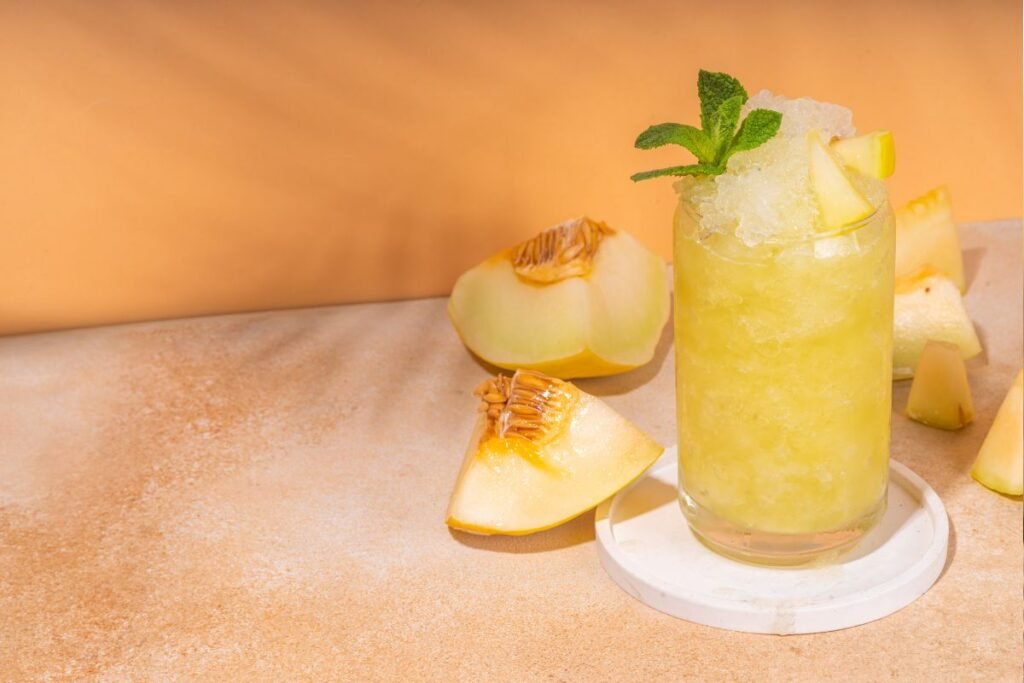
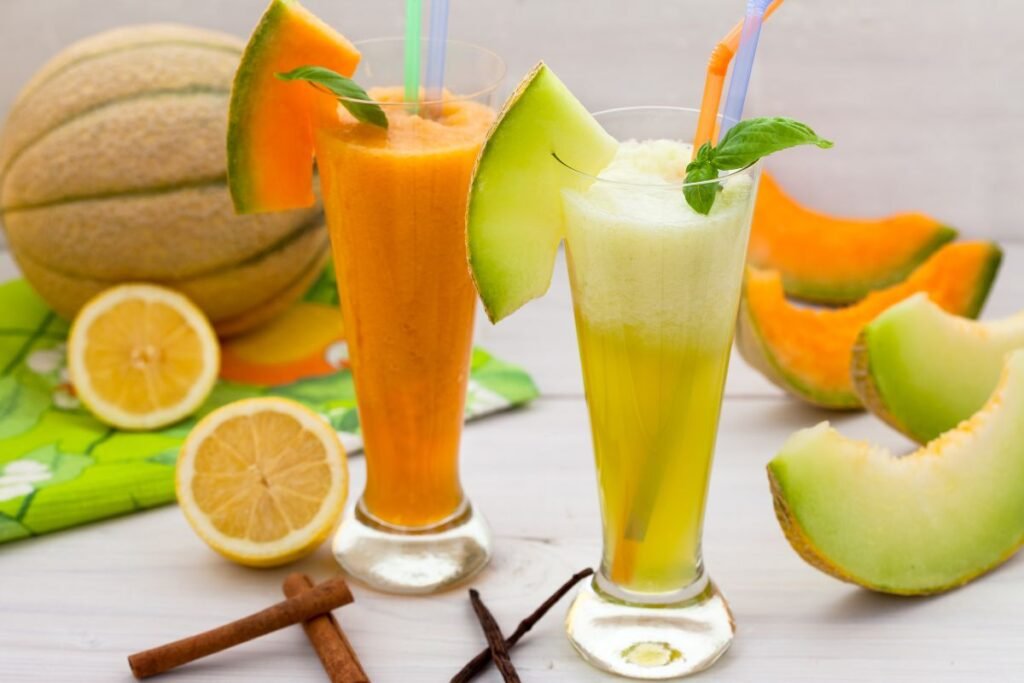
Since you can easily discover the natural flavour of melon simply by tasting a slice, why not make your juice experience more exciting by combining it with aromatic spices and complementary ingredients? This recipe creates a refreshing, fragrant drink with a subtle balance of sweetness, citrus, and herbal notes.
For 2 servings, or approximately 400 ml of juice, you will need the following:
- ½ ripe melon, flesh only (about 400 g)
- Juice of ½ lemon
- 1 teaspoon honey or agave syrup (optional, depending on the sweetness of the melon)
- A small piece of vanilla bean or ¼ teaspoon vanilla extract
- A pinch of ground cinnamon, to taste.
- 3–4 fresh basil sprigs
- 100 ml cold water or a few ice cubes
How to Make Melon Juice
- Peel the melon, remove the seeds, and cut the flesh into smaller pieces.
- Add the melon, lemon juice, honey if using, vanilla, cinnamon, and basil leaves to a blender. Pour in the cold water or add a few ice cubes.
- Blend until smooth. If you prefer a clearer juice, strain it through a fine-mesh sieve. For a thicker, more smoothie-like texture, leave the pulp in.
- Serve chilled and garnish with a fresh basil leaf and a light sprinkle of cinnamon.
How to Preserve Melon Juice for Winter
If you have access to a large amount of fresh melon and want to enjoy its flavour beyond the summer season, freezing offers one of the simplest options for home preservation. Pour the juice or thick melon purée into small freezer-safe bottles or ice-cube trays, leaving enough headspace for expansion as the liquid freezes. Properly frozen juice may generally retain good quality for around 6–8 months. Once thawed, you can brighten the flavour with a little fresh lemon juice.
Another option involves pasteurisation, although this method requires more care because melon juice naturally has low acidity. For safe home preservation, simply adding lemon juice to an uncertain acidity level should not replace a validated canning process. If you plan to preserve melon juice at room temperature, use a tested recipe and follow established food-preservation guidance rather than relying on a fixed amount of lemon juice.
You can also turn melon juice into a syrup by combining one part melon juice with half a part sugar. Use the finished syrup diluted with water or add it to desserts, cocktails, or other recipes.
Possible Side Effects of Melon
Despite its refreshing taste and nutritional value, melon juice does not suit everyone. Drinking large quantities or consuming it under certain circumstances may cause unwanted effects, including:
- Blood glucose spikes. Melon juice contains naturally occurring sugars (glucose, fructose and sucrose). Juicing also removes or reduces much of the fruit’s fibre, which can allow the sugars to reach the bloodstream more quickly than when you eat the whole fruit. People who need to monitor their blood glucose should therefore pay attention to portion size.
- Digestive discomfort. Large amounts of melon juice may cause bloating, abdominal discomfort or diarrhoea in sensitive individuals. The effect may relate to the fruit’s fermentable carbohydrates and individual digestive tolerance.
- Allergic reactions. People with allergies to members of the Cucurbitaceae family, including watermelon, cucumber, zucchini and pumpkin, may also react to melon. Possible symptoms include itching or tingling in the mouth, skin rashes, and swelling.
- Excessive potassium intake. Melons provide potassium, and juice can contribute a meaningful amount of this mineral to the diet. People with chronic kidney disease or those taking potassium-sparing medicines may need to monitor their potassium intake because excessive potassium levels can contribute to dangerous heart-rhythm disturbances.
- Potential medication interactions. The main concern relates to potassium intake. People taking medicines that affect potassium levels, particularly those with kidney problems, should discuss regular consumption of large quantities of melon juice with their healthcare professional.
- Hygiene and microbiological risks. Freshly prepared, unpasteurised juice can support microbial growth if you store it at an inadequate temperature or handle it improperly. This risk is particularly relevant for young children, pregnant people and individuals with weakened immune systems. Keep fresh juice refrigerated, or use a validated preservation method for longer storage.
Sources:
- https://www.mdpi.com/2223-7747/10/9/1755
- https://cyberleninka.ru/article/n/melon-juice-7-benefits-for-the-body/viewer
- https://www.health.com/health-benefits-melon-8690571
- https://fjps.springeropen.com/articles/10.1186/s43094-020-00116-z
- https://pmc.ncbi.nlm.nih.gov/articles/PMC9764567
- https://www.researchgate.net/publication/383691796_A_Scoping_Review_on_Cucumis_melo_and_Its_Anti-Cancer_Properties
Associative photos © Canva.