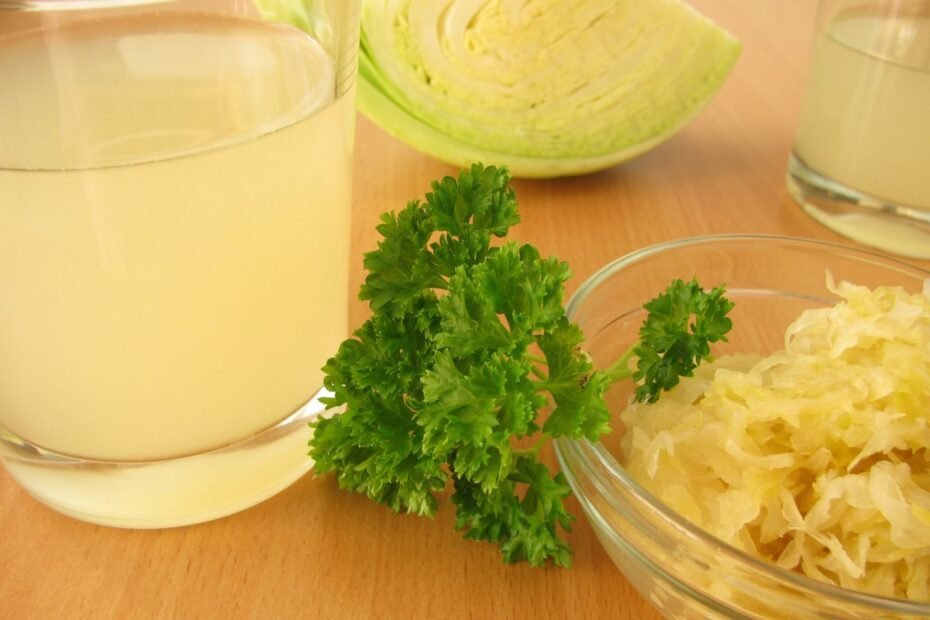
Sauerkraut juice serves as a natural probiotic that supports healthy digestion, improves gut function, and contributes to overall well-being. For centuries, people have fermented various vegetables, creating foods that not only offer exceptional flavor but also provide valuable nutrients. Fermented vegetable juices, especially sauerkraut juice, represent a powerful source of health-promoting compounds. They support the digestive system while delivering a wide range of essential vitamins and minerals.
In this article, we will explore the key nutrients of sauerkraut juice, examine its potential benefits for the body, and explain how to prepare it at home.
Nutritional Value of Sauerkraut Juice
Sauerkraut juice is a low-calorie yet highly nutritious beverage. One cup (140 g) contains:
- 55 calories
- 1.3 g of protein
- 3.5 g of fat
- 5.8 g of carbohydrates
- 2.4 g of sugars
- 3.9 g of dietary fiber
- 17.9 mg of vitamin C
- 19.6 mg of vitamin K
- 0.23 mg of vitamin B6
- 1.9 mg of iron
Vitamins Found in Sauerkraut Juice
Sauerkraut juice offers significant health benefits thanks to its high vitamin C content. This essential nutrient supports immune function, acts as a powerful antioxidant, and helps maintain healthy metabolic processes. However, vitamin C is not the only valuable nutrient found in sauerkraut juice. It also contains:
- Vitamin K – This fat-soluble vitamin plays an important role in maintaining strong bones and supporting normal blood clotting. To improve its absorption, combine sauerkraut juice with healthy fats, such as plant-based oils, nuts, seeds, or other sources of beneficial fats.
- Beta-carotene – This natural provitamin converts into vitamin A in the body. Vitamin A supports immune health and maintains healthy skin, vision, and bones.
- Vitamin B12 – Sauerkraut juice represents one of the few plant-based sources of vitamin B12, an essential nutrient for maintaining a healthy nervous system. This makes it especially valuable for people following a balanced vegan diet.
Since many of these vitamins remain sensitive to heat, drinking sauerkraut juice cold helps preserve its nutritional value and allows you to gain the greatest potential health benefits.
The Probiotic Properties of Sauerkraut Juice
During fermentation, beneficial lactic acid bacteria multiply and produce a rich source of probiotics. As a result, both sauerkraut and sauerkraut juice contain high levels of these beneficial microorganisms. Probiotics support gut health by helping maintain a balanced microbiome, improving digestion, supporting nutrient absorption, and strengthening immune function.
Consuming naturally fermented foods, such as sauerkraut, homemade yogurt, and kombucha, becomes especially important after completing a course of antibiotics. Antibiotics can eliminate harmful bacteria, but they may also reduce populations of beneficial gut bacteria that support overall health. Sauerkraut juice can help nourish the gut microbiome and support the restoration of a healthy intestinal environment.
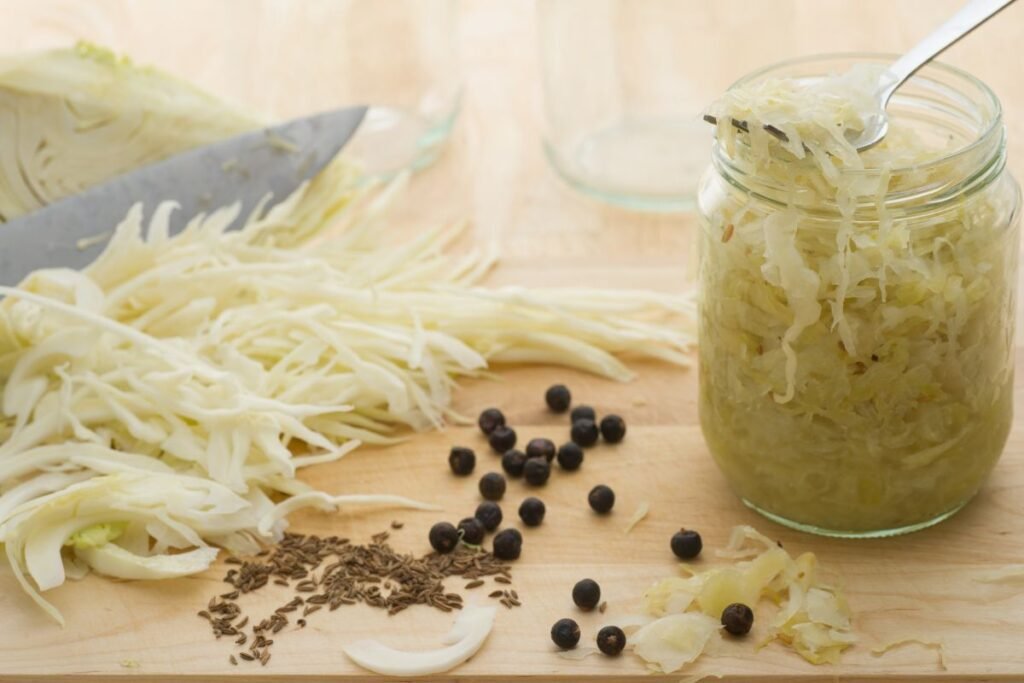
It May Help Relieve Constipation
The lactic acid bacteria found in sauerkraut juice can support long-term digestive health and promote smoother digestion. For this reason, many people use sauerkraut juice as a gentle, natural remedy for occasional or chronic constipation. Drinking it in the morning before a meal may provide the best results.
Important: Sauerkraut juice can act as a mild natural laxative and may become part of a daily wellness routine. However, excessive consumption may cause diarrhea. For most people, limiting intake to approximately 50 ml per day represents a reasonable approach.
Fermented Cabbage Juice Supports Immune Health
Sauerkraut and its juice, like other fermented foods, rank among the most beneficial foods for overall health and are often considered a functional “superfood.” The fermentation process, specifically lactic acid fermentation, creates an environment where millions of beneficial bacteria thrive.
These bacteria encourage the growth of beneficial microorganisms in the body and help maintain a balanced gut microbiome. A healthy gut microbiome plays a key role in immune function because 80% of immune cells are found in the digestive tract. Supporting gut health can therefore contribute to stronger natural defenses.
How Much Sauerkraut Juice Should You Drink?
There is no single recommended amount of sauerkraut juice that works for everyone. Large quantities may produce a laxative effect, which some people may find beneficial, especially when dealing with constipation.
An excellent approach starts with small amounts, such as 20–30 ml per day, and gradually increases intake based on your body’s response. If you tolerate sauerkraut juice well and it does not cause digestive discomfort, you may increase your intake to around 50 ml or more per day.
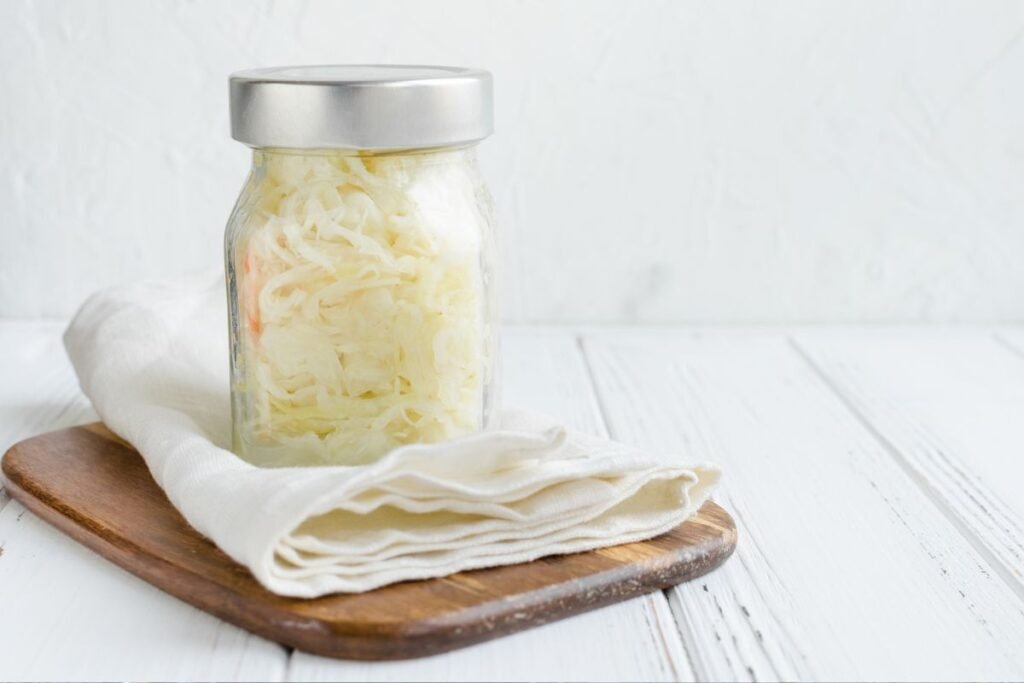
How to Make Sauerkraut Juice at Home?
You can find sauerkraut juice in many supermarkets, but store-bought versions often cost more and may contain additional ingredients or undergo pasteurization, which can reduce the amount of beneficial nutrients. Another simple option involves extracting juice directly from already fermented sauerkraut.
However, you can also prepare fresh sauerkraut juice at home using simple ingredients. This recipe produces approximately 300 ml of homemade sauerkraut juice.
Ingredients:
- 1.4 kg fresh white cabbage
- 60 ml apple juice
- 5 g salt
Instructions:
- Remove the outer cabbage leaves and discard any wilted, discolored, or dried leaves.
- Cut the cabbage into large pieces, then finely shred it using a food processor or a fine grater.
- Place the shredded cabbage into a medium-sized bowl.
- Add the salt and apple juice, then mix thoroughly until the ingredients combine evenly.
- Transfer the cabbage mixture into a clean glass jar or another airtight container. Fill the container almost to the top.
- Press the cabbage down firmly with a spoon to remove air pockets. Add more cabbage if necessary to ensure the jar remains tightly packed.
- Add water until the mixture reaches the top edge of the jar. Leave enough space to close the lid securely.
- Seal the jar tightly with the lid.
- Place the jar inside a bowl. During fermentation, the cabbage will release liquid, and the bowl will prevent any spills or mess.
- Allow the juice to ferment for 5–6 days at room temperature.
- After fermentation, strain the liquid through a sieve and use the fresh sauerkraut juice. For the best quality and flavor, consume the juice immediately. If you cannot consume it all at once, store the remaining juice in a sealed container in the refrigerator.
You can also watch a video tutorial demonstrating how to prepare sauerkraut juice.
Ways to Use Fermented Cabbage Juice
If drinking sauerkraut juice on its own does not appeal to you, you can easily incorporate it into different dishes. Here are several practical ways to use it:
Use It as a Salad Dressing Ingredient. Most salad dressings require an acidic ingredient to create a brighter, more balanced flavor, such as lemon juice or vinegar. You can replace these ingredients with the same amount of sauerkraut juice. It adds a delicious, tangy taste while also providing additional nutritional benefits.
Add Flavor to Cooked Vegetables or Meat. Sauerkraut juice works well as a flavorful alternative to salt or vinegar. It enhances the taste of prepared vegetables and meat while adding beneficial compounds from fermentation.
Use It as a Meat Marinade. Many meat marinades include an acidic ingredient, such as vinegar, wine, citrus juice, or tomatoes. Acidity helps tenderize meat by breaking down protein structures and can shorten cooking time. The next time you prepare a marinade, try using sauerkraut juice instead. It adds a unique savory flavor and helps create a noticeably softer texture.
Ferment Other Vegetables. If you want to prepare quick fermented vegetables, such as cucumbers, beets, pumpkin, or other seasonal produce, place them in sauerkraut juice and let them ferment for several days. This method creates flavorful, nutrient-rich fermented vegetables with minimal effort.
Sources:
- https://utopia.org/guide/sauerkraut-juice/
- https://whatgreatgrandmaate.com/9-ways-to-use-sauerkraut-juice/
- https://gruenesmoothies.com/sauerkraut-juice/
- https://www.healthline.com/nutrition/benefits-of-sauerkraut
- https://www.livestrong.com/article/277346-what-are-the-benefits-of-sauerkraut-juice/
- https://wildbrine.com/sauerkraut-juice-uses/
Associative photos © Canva.