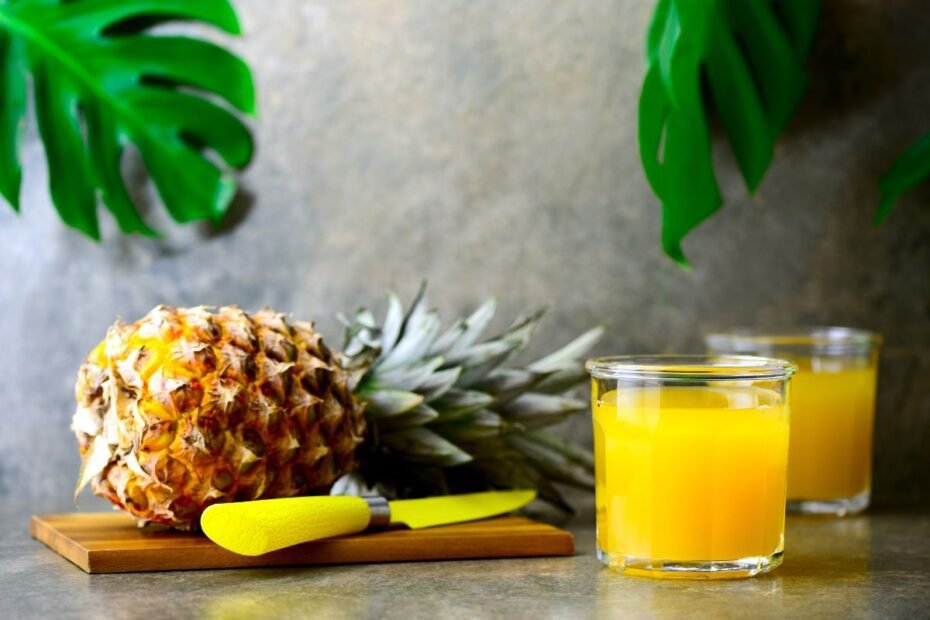
After bananas and citrus fruits, pineapples rank as the world’s third most important fruit. In many countries, pineapple juice enjoys popularity comparable to that of orange juice. Its versatility plays a major role in its widespread appeal, as people use it in everything from refreshing cocktails to various culinary recipes. Pineapple juice also offers several health benefits. In this article, we explore plenty of interesting facts and useful information about pineapple juice that you may not know.
Pineapple: A Popular Fruit with Symbolic Meaning
Pineapples originated in South America and thrive in warm climates, where growers cultivate them commercially. The familiar pineapples we find in shops come from specially cultivated varieties. Wild pineapples do not serve as a common food source.
The long history of pineapple use reveals fascinating facts about both its practical applications and symbolic significance. Many cultures have traditionally used pineapples in folk medicine, either to help prevent illness or as a remedy for various health conditions.
In some parts of the world, pineapples also carry symbolic meaning. In Brazil, for example, people traditionally associate pineapples with hospitality and friendship. Hanging a pineapple above the entrance signalled a warm welcome and goodwill towards visitors. In China, pineapples still symbolize wealth and good fortune, and people often enjoy them during traditional celebrations.
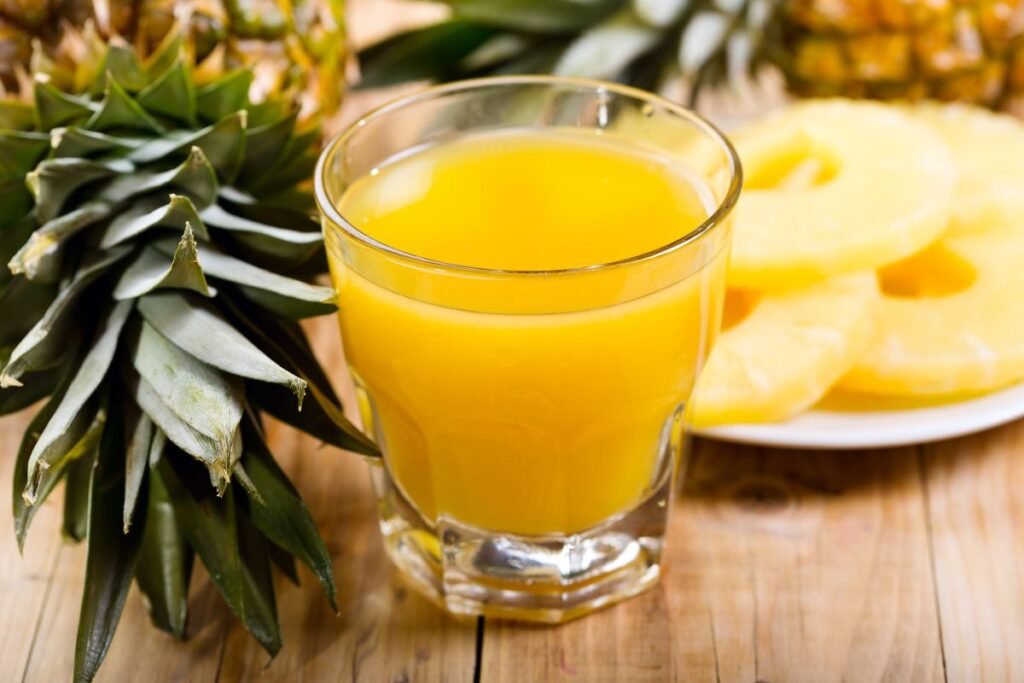
Pineapple Juice: A Rich Source of Essential Nutrients
Pineapple juice contains a diverse range of nutrients. It provides particularly high amounts of manganese, copper, and vitamins B6 and C. It also supplies iron, calcium, phosphorus, zinc, choline, and vitamin K. One of its most notable bioactive compounds is bromelain, a group of enzymes naturally present in pineapples.
Together, these nutrients and bioactive compounds support various essential body functions and contribute to overall health.
A 250 ml serving of freshly squeezed pineapple juice provides the following approximate amounts of essential nutrients:
- 55% of the Daily Value (DV) for manganese
- 19% DV for copper
- 15% DV for vitamin B6
- 100% DV for vitamin C
- 12% DV for thiamin (vitamin B1)
- 11% DV for folate (vitamin B9)
- 7% DV for potassium
- 7% DV for magnesium
Pineapple Juice: 8 Science-Backed Health Benefits
For decades, scientists have explored the potential health benefits of pineapples and pineapple juice, particularly their possible role in preventing and managing various health conditions. Although research continues and many findings still require further investigation, scientists have identified eight key areas where pineapple juice may offer health benefits.
- Supports the immune system and protects against oxidative stress. Pineapples contain nutrients and antioxidants that support immune function, help neutralize free radicals, and protect cells from oxidative damage associated with premature aging.
- Promotes healthy digestion. The enzyme bromelain in pineapples helps break down proteins and supports digestive processes. This may prove particularly beneficial for people with pancreatic insufficiency, a condition in which the pancreas cannot produce enough digestive enzymes.
- May help relieve asthma symptoms. Pineapple juice may offer some benefits for people with asthma. Researchers associate this potential effect with the combination of bromelain and vitamin C, both of which may help regulate inflammatory processes.
- May ease arthritis symptoms. Pineapples contain bromelain, which has anti-inflammatory properties. This enzyme may help reduce inflammation and alleviate some arthritis symptoms.
- Supports bone health. Pineapple juice provides substantial amounts of vitamin C, along with other nutrients that support bone formation and maintenance and may help reduce the risk of osteoporosis.
- May promote cardiovascular health. Regular pineapple juice consumption may support heart and blood vessel health, partly thanks to its antioxidant content and other beneficial plant compounds.
- May help protect against cancer. Pineapple juice contains antioxidants and bioactive compounds that may influence processes involved in cancer development. However, further research must establish whether pineapple juice can actually reduce cancer risk.
- Supports men’s health and reproductive function. Pineapples contain considerable amounts of manganese, a mineral involved in several essential physiological processes. Alongside other nutrients, manganese contributes to reproductive health.
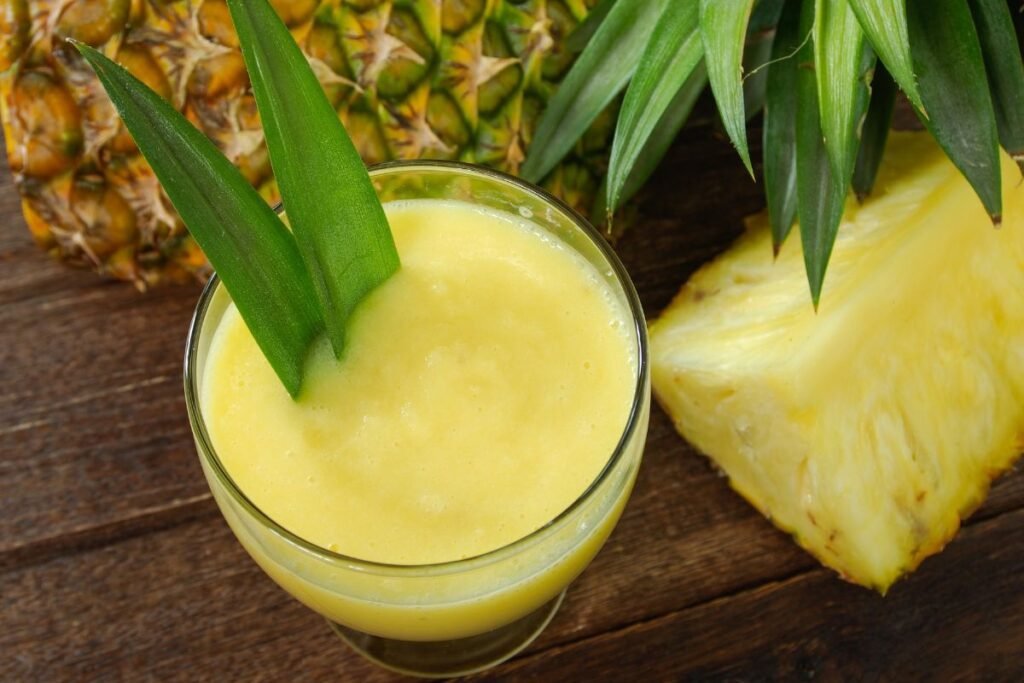
Benefits of Pineapple Juice During Pregnancy
Pregnant women often face restrictions on various foods and beverages. Understandably, this stage of life calls for extra attention to both maternal and fetal health. Nevertheless, the main priority should always remain a nutritious, varied, and balanced diet.
Pineapple juice can form part of a healthy pregnancy diet when consumed in moderation. However, pregnant women should avoid excessive consumption. A few servings per week can add variety to their diet.
Here are some reasons why pineapple juice may benefit expectant mothers:
- B vitamins and vitamin C support normal immune function and contribute to healthy fetal development.
- Copper, which pineapples contain in considerable amounts, plays an essential role in red blood cell formation and helps maintain normal iron metabolism.
- Iron, zinc, and calcium all contribute to a healthy pregnancy. Iron supports the production of hemoglobin, zinc contributes to normal cell growth and development, and calcium helps build the baby’s bones and teeth.
Pineapple Juice Supports Men’s Health and Provides Energy
Men have several good reasons to consider adding pineapple juice to their diet. Two potential benefits deserve particular attention.
First, pineapples and their juice contain antioxidants, including vitamin C and beta-carotene, which help protect cells against oxidative stress. Since oxidative stress may contribute to various prostate-related health problems, researchers continue to investigate the potential role of dietary antioxidants in supporting prostate health. However, current evidence does not establish that pineapple juice prevents prostate conditions such as benign prostatic hyperplasia or prostate cancer.
Second, pineapple juice may appeal to physically active men and those who exercise regularly. Its natural carbohydrates provide energy, making it a refreshing option after physical activity. Pineapples also contain bromelain, an enzyme with anti-inflammatory properties that researchers have studied for its potential role in post-exercise recovery. It may help reduce exercise-related inflammation and muscle soreness, although more human studies are necessary to confirm these effects.
Another reason pineapple juice attracts attention in discussions about men’s health is its manganese content. This mineral contributes to normal energy metabolism and several important physiological functions. However, there is currently insufficient scientific evidence to conclude that drinking pineapple juice increases testosterone levels or directly improves sexual function.
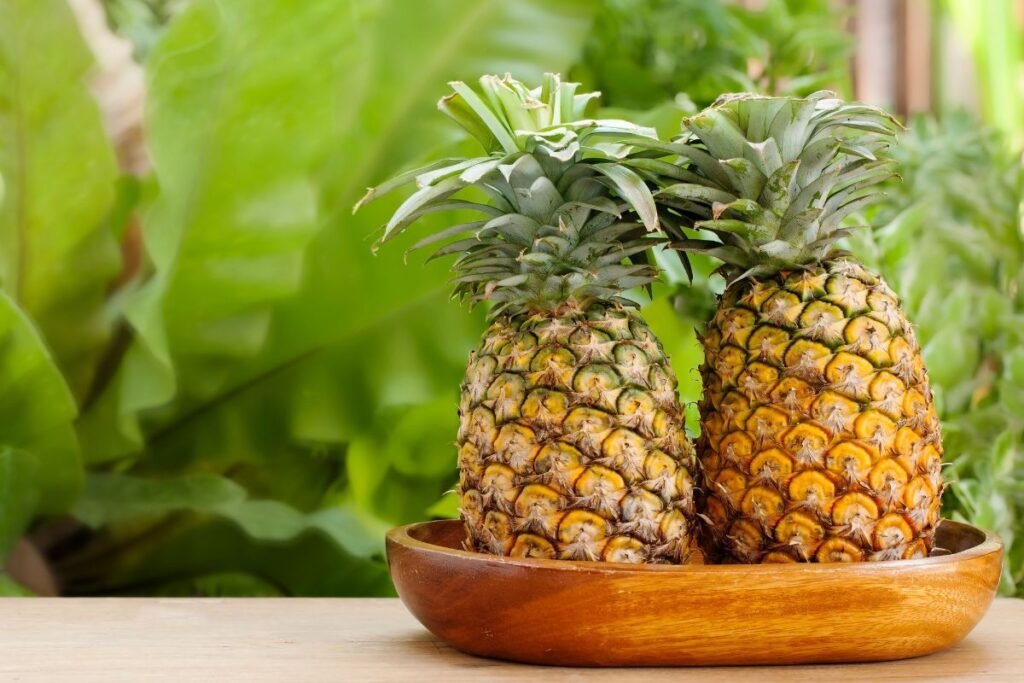
Pineapple Juice: Why Homemade Is Better
There are plenty of reasons to make pineapple juice at home. This advice applies not only to pineapple juice but also to most other freshly prepared fruit juices.
Freshly squeezed pineapple juice allows you to control exactly what goes into your drink. You can avoid added sweeteners, artificial flavorings, and preservatives commonly found in some commercial products. Fresh preparation also helps preserve heat-sensitive nutrients, particularly vitamin C, which can degrade during processing and storage.
Another advantage of making pineapple juice at home is the freedom to adjust its taste and consistency. You can control the sweetness, choose how much water to add, and decide how much fruit pulp to retain. Leaving more pulp in your juice also helps preserve some of the fruit’s dietary fiber, which contributes to digestive health.
How to Choose the Right Pineapple for Juicing and Prepare It Properly
The first step in making delicious pineapple juice is choosing the right fruit. Ideally, you want a perfectly ripe pineapple. But how can you tell when a pineapple has reached peak ripeness? It should feel firm overall but yield slightly when you press it gently. Another good indicator is the flesh: once you cut the pineapple open, it should have an attractive golden-yellow colour, a juicy texture, and a sweet, pleasant aroma.
Avoid unripe pineapples, as they produce sour, flavourless juice. Overripe fruit is not a good choice either, as fermentation or decay may have started. Avoid pineapples with obvious signs of damage, such as wilted leaves, cracked or wrinkled skin, and other signs of deterioration.
Before juicing, peel the pineapple. The easiest way to peel it is to cut off the crown and base, then trim away the skin from the sides. Another important step involves removing the small, tough brown spots known as pineapple eyes.
Rather than removing each eye individually, as you would when peeling potatoes, try cutting them out in groups. Use a sharp knife to make diagonal cuts along both sides of each row of eyes, then remove the narrow wedge of flesh. Repeat this process around the pineapple. The finished fruit will have a distinctive spiral pattern.
Then, cut it into smaller pieces and place them in a juicer or blender. If you use a blender, add a little water to help the ingredients blend smoothly. For a thinner juice, strain it through a fine-mesh sieve before serving.

Indian-Style Pineapple Drink
If you find the traditional taste of pineapple juice a little predictable, try an unusual combination of ingredients. This Indian-inspired drink offers an exciting twist for anyone who enjoys exotic flavours, unexpected combinations, and new culinary discoveries.
Ingredients
- 2.5 cups of chopped fresh pineapple
- Water, as needed
- 6–8 ice cubes (for a chilled drink)
- 2–3 tablespoons of sugar or another sweetener
- ⅛ teaspoon of black (Indian) salt
- ½ teaspoon of roasted ground cumin
Preparation
- Place the pineapple pieces, sugar, and ice cubes (if using) in a blender. Add water to help the ingredients blend. For a thicker drink, leave out the water.
- Blend everything until smooth. Adjust the consistency by adding more water as needed.
- Pour the prepared drink into glasses. For a smoother texture without fruit pulp, strain it through a sieve.
- Sprinkle each serving with black salt and roasted ground cumin. Serve immediately.
The Downsides of Pineapple Juice
Like many other fruit juices, pineapple juice has two main drawbacks: relatively high calorie and sugar content. Juice also contains considerably less dietary fibre than whole pineapple fruit. As a result, juice tends to provide less satiety than eating the fruit itself.
Keep in mind that a 250 ml serving of pineapple juice contains approximately:
- 132 calories
- 1 gram of protein
- 1 gram of fat
- 33 grams of carbohydrates
- 25 grams of sugar
- Approximately 1 gram of dietary fibre
Therefore, if you monitor your sugar intake, follow a weight-loss diet, or have excess body weight, consider choosing smaller servings of pineapple juice. For example, drinking 100 ml per day or enjoying a similar serving a few times a week can help you include pineapple juice in your diet without consuming excessive amounts of sugar.
Pineapple Beverages May Cause Adverse Effects in Certain Situations
In some circumstances, pineapple juice may cause unwanted side effects or interact with certain medications. Consult your healthcare provider before drinking it regularly if any of the following situations apply to you:
- You take blood-thinning medication. Bromelain, a naturally occurring enzyme in pineapples, may increase the effects of certain anticoagulant or antiplatelet medications and potentially raise the risk of bleeding.
- You have acid reflux or increased stomach acidity. The natural acids in pineapple juice may aggravate heartburn or other symptoms associated with acid reflux.
- You have diabetes. Pineapple juice contains considerable amounts of natural sugar and carbohydrates, which can cause blood glucose levels to rise quickly. Pay attention to portion sizes and monitor your blood glucose response.
- You have a pineapple allergy. If you experience an allergic reaction, such as itching, a rash, or a runny nose, stop drinking pineapple juice. Seek immediate medical attention if you develop more serious symptoms, including difficulty breathing or swelling of the mouth or throat, as these may indicate a severe allergic reaction.
Sources:
- https://www.healthline.com/nutrition/pineapple-juice-benefits
- https://www.indianhealthyrecipes.com/pineapple-juice-recipe/
- https://www.wikihow.com/Make-Pineapple-Juice
- https://www.healthline.com/nutrition/benefits-of-eating-pineapple-for-a-woman
- https://pharmeasy.in/blog/ayurveda-uses-benefits-side-effects-of-pineapple-juice/
- https://preferredmensmedical.com/blog/surprising-benefits-of-pineapple-for-men/
Associative photos © Canva