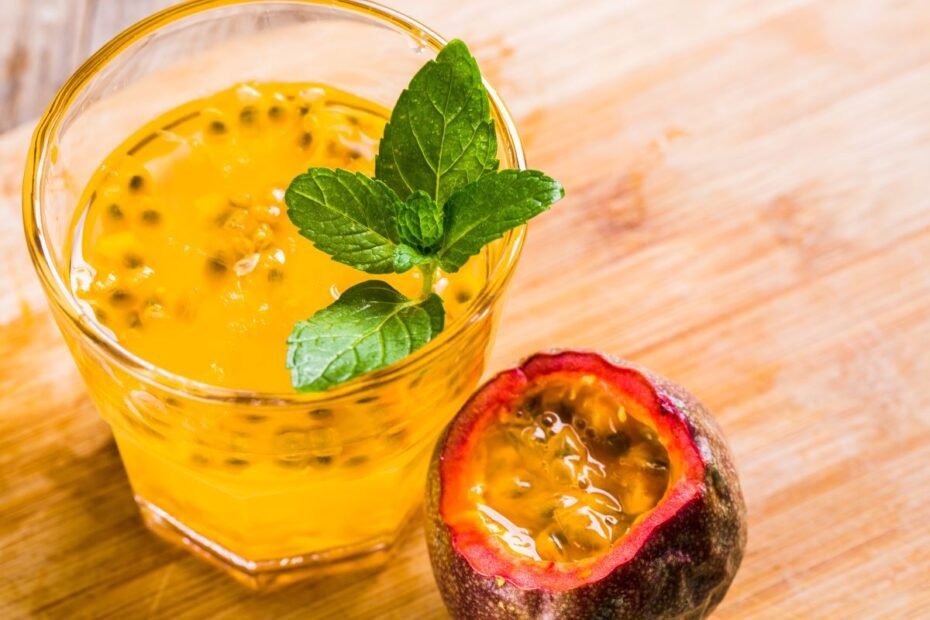
Passion fruit juice offers an exotic flavor while delivering powerful antioxidants that help strengthen the immune system and support overall health. Passion fruit grows on a tropical vine that captivates with its striking flowers and produces highly nutritious fruits with a distinctive taste. Although people can easily buy passion fruit, growing the plant locally presents a significant challenge unless they can recreate tropical growing conditions. People enjoy passion fruit on its own or use it as an ingredient in a wide variety of desserts and beverages. Another popular way to enjoy this tropical fruit is freshly prepared passion fruit juice.
This refreshing beverage deserves a place in your diet because of its unique taste. It also provides a wide range of essential nutrients that contribute to everyday well-being. This article explores the passion fruit plant, its remarkable fruit, and the health benefits that passion fruit juice can offer.
Passion Flower: From Cultural Symbol to Nutritious Fruit
The passion flower (Passiflora) belongs to a genus of climbing vines native to Central and South America. Today, these plants thrive naturally in tropical regions across Central Africa, India, New Zealand, and northern Australia.
People admire passion flowers for their extraordinary beauty, and many cultures associate them with powerful symbolic meanings. Since the sixteenth century, Christians have viewed the flower as a symbol of the suffering and crucifixion of Jesus Christ. This symbolism also inspired the plant’s English name, as the word “passion” refers to the Passion of Christ.
For centuries, people have valued passionflower for its medicinal properties. Herbal teas prepared from its leaves and flowers have traditionally helped relieve anxiety and improve sleep quality. Among the more than 500 known species of Passiflora, at least 60 produce edible fruit.
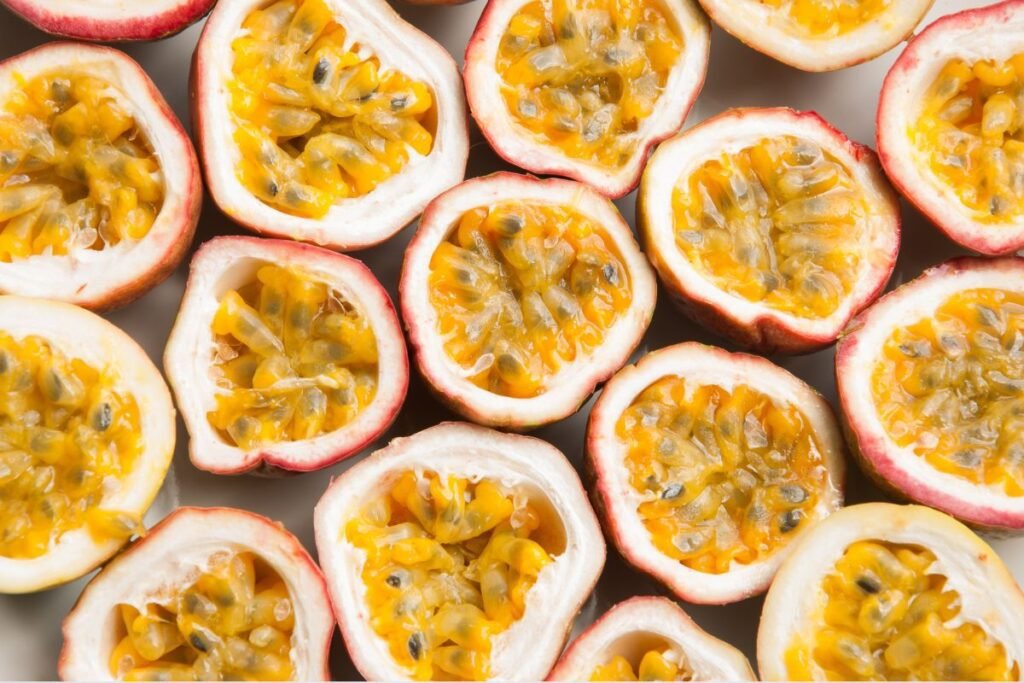
Depending on the species, the fruit develops purple, pink, or yellow skin. Each fruit remains relatively small, like a plum, in both size and shape. A thick, glossy rind surrounds a white fibrous layer that protects the juicy, jelly-like pulp filled with numerous crunchy black seeds. The fruit releases an intense tropical aroma and combines sweet and tart flavors with subtle tropical notes. People consume the juicy pulp, which contains the edible seeds and provides the fruit’s characteristic flavor.
Flavor and Nutritional Value of Passion Fruit Juice
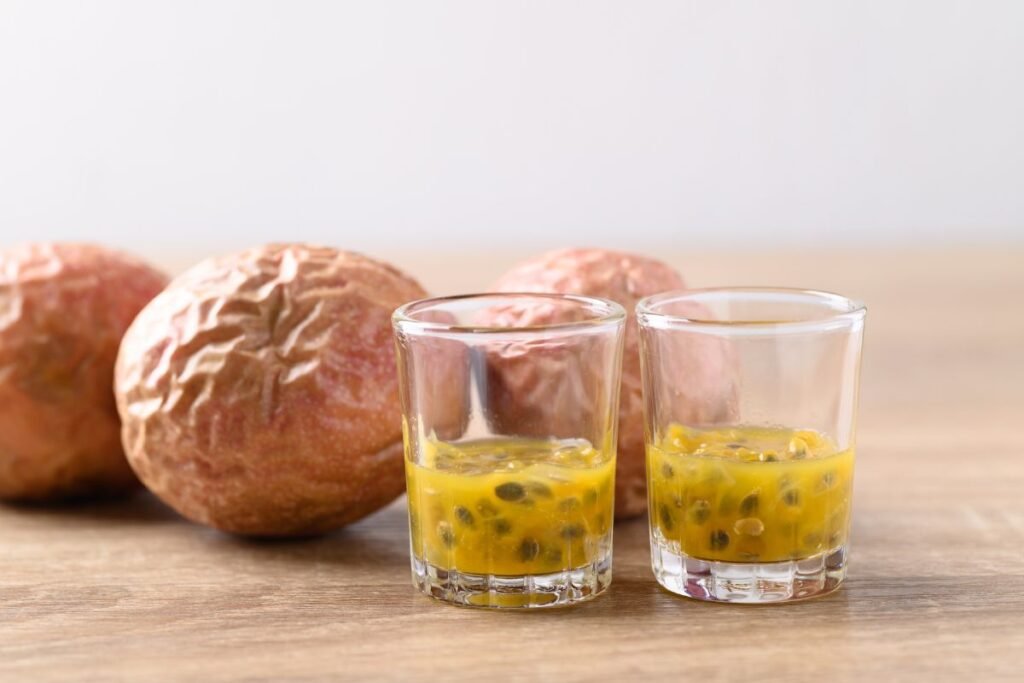
Manufacturers prepare passion fruit juice from the fruit’s juicy pulp. The juice delivers a pleasantly tart flavor with a slight tang, while subtle sweetness balances the acidity. Many people also notice delicate hints of orange, mandarin, and pineapple. Its vibrant aroma combines refreshing citrus notes with gentle floral undertones, creating a distinctive sensory experience.
Passion fruit provides an impressive range of nutrients while remaining naturally low in calories. One medium-sized fruit contains only about 17 calories and supplies approximately 7–8% of the recommended daily intake of vitamins A and C. It also contributes 2–3% of the daily recommended intake of iron and potassium. In addition, passion fruit contains calcium, magnesium, phosphorus, and folate, all of which support essential bodily functions. Beyond its vitamins and minerals, each fruit provides approximately two grams of dietary fiber, making it a valuable addition to a balanced diet.
Passion Fruit Juice and Two Key Benefits for Health
When discussing the health benefits of passion fruit juice, you can certainly identify more than just two advantages. However, this overview highlights two areas that stand out the most because they directly support a strong body and long-term well-being.
First, passion fruit juice serves as a rich source of antioxidants. Many people already understand the importance of antioxidants in nutrition, and health professionals consistently emphasize their role, while scientific research continues to confirm their value. Antioxidants protect the body from damage caused by free radicals. This protection plays a direct role in preventing chronic diseases, slowing down aging processes, and strengthening the immune system. Vitamins A and C, beta-carotene, and polyphenols drive the antioxidant effects in passion fruit juice. These naturally occurring compounds also provide anti-inflammatory properties, which further support the body’s defense mechanisms. All of this means that passion fruit juice can prevent chronic conditions and inflammation while also improving overall resilience.
Second, passion fruit juice provides an excellent source of dietary fiber. The approximately 2 grams of fiber found in a single passion fruit represent a relatively high amount for such a small fruit. Adequate fiber intake plays an essential role in maintaining healthy digestive function. Soluble fiber helps the body digest food, absorb nutrients efficiently, and eliminate waste that the body no longer needs. A fiber-rich diet helps prevent constipation and reduces the risk of food stagnation in the intestines. It directly supports immune system function and helps reduce the likelihood of chronic inflammatory processes.
How to Prepare Passion Fruit Juice at Home
Although passion fruit contains a juicy interior, the fruit itself remains small. One fruit typically holds no more than about two tablespoons of pulp. Therefore, preparing a single glass of passion fruit juice may require up to twelve fruits. Since passion fruit juice has a naturally tangy and acidic profile, people most often use it as an ingredient in juice blends or mixed beverages. In such cases, two to three fruits usually provide enough flavor intensity.
Preparing passion fruit juice at home involves a few simple steps:
- First, cut the fruit in half using a sharp knife.
- Next, scoop out the jelly-like pulp with a spoon and place it into a container.
- Then place a fine sieve or cheesecloth over another container, such as a glass or a bowl.
- Pour the pulp into the sieve and press it firmly with the back of a spoon to extract as much juice as possible. If you use cheesecloth, squeeze the pulp thoroughly by hand.
Practical Tips for Making Passion Fruit Juice
Freshly prepared passion fruit juice delivers the best flavor and the highest nutritional value. If you have leftovers, store them in an airtight container in the refrigerator and consume them within three days. If you have a larger amount, you can freeze the juice and use it whenever needed. Frozen passion fruit juice retains its nutritional properties for up to six months.
If you find yourself with an excess of passion fruit at home, you can scoop out the pulp and freeze it in separate portions. This method allows you to keep a convenient supply for future juices or other culinary ideas.
Although the white membrane that separates the pulp from the peel remains edible, you should avoid consuming it because it tastes extremely bitter.
You should also keep in mind that passion fruit pulp can easily stain surfaces and fabrics. Use a cutting board when preparing the fruit and wear an apron to protect your clothes. Clean any spills immediately to prevent stains from setting.

Passion Fruit Juice and Its Culinary Uses
As mentioned earlier, passion fruit juice has a tangy and slightly sharp flavor, so few people enjoy drinking it on its own. However, the same distinctive taste profile makes it an excellent ingredient for a wide range of fruit cocktails and other beverages. Passion fruit juice also enhances the flavor of many desserts and savory dishes.
- Passion fruit juice pairs especially well with orange, pineapple, mango, and other tropical fruit juices, creating vibrant tropical flavor combinations.
- When you add passion fruit juice to sparkling mineral water, you create a refreshingly light and energizing drink.
- Mixing passion fruit juice with coconut milk produces a creamy, slightly sweet tropical smoothie with a rich texture.
- Adding a small amount of passion fruit juice to baking batter enhances both flavor and aroma in cakes and pastries.
- Passion fruit juice works beautifully in salad dressings, where it replaces lemon juice and adds a sweet-sour profile along with a pleasant texture from the seeds.
- You can also mix passion fruit juice into natural yogurt, especially when you plan to use it as a sauce or a topping for fruit and desserts.
Passion Fruit: How to Choose and Store It Properly
Passion fruit does not belong to the everyday diet in Lithuania. Although people can easily find it in supermarkets, many still wonder how to select a high-quality fruit, how to store it correctly, and what to do with it once they bring it home. The following guidelines help you avoid disappointment when buying this exotic fruit.
- Choose fruits with rich, vibrant color and slightly wrinkled skin, since this condition indicates full ripeness.
- Pick fruits that feel relatively heavy for their size, since weight usually signals a generous amount of juicy pulp inside.
- Avoid fruits with deeply shriveled skin; that condition often indicates overripeness and significant moisture loss.
- A noticeably light fruit often confirms that the pulp has dried out and lost quality.
- Passion fruit can stay fresh at room temperature for up to two weeks, but refrigeration works better for longer storage. When you place the fruit in a plastic bag or airtight container, you help preserve its moisture. In a refrigerator, properly stored fruits can last up to one month.
- You can also freeze passion fruit pulp, which allows you to store it for up to six months without significant loss of quality.
Passion Fruit Juice and Possible Side Effects
People generally consider passion fruit and its juice safe to consume, and most individuals experience no adverse side effects. However, two situations may lead to negative reactions.
People with a latex allergy may also show sensitivity to passion fruit. This connection exists because certain plant proteins in the fruit share a similar structure with latex proteins. Researchers also suggest that people with this type of sensitivity may react to other fruits and vegetables such as papaya, mango, kiwi, pineapple, avocado, melon, and similar produce.
Purple passion fruit peel contains compounds known as cyanogenic glycosides, and unripe fruits also contain this natural toxin. In large amounts, these substances can produce cyanide poisoning. However, the risk of poisoning from passion fruit juice remains extremely low. The fruit peel does not enter the diet, and fully ripened pulp does not contain harmful concentrations of these compounds, which makes normal consumption safe.
Sources:
- https://www.medicalnewstoday.com/articles/324383
- https://www.webmd.com/food-recipes/passion-fruit-health-benefits
- https://www.healthline.com/nutrition/passion-fruit
Associative photos © Canva