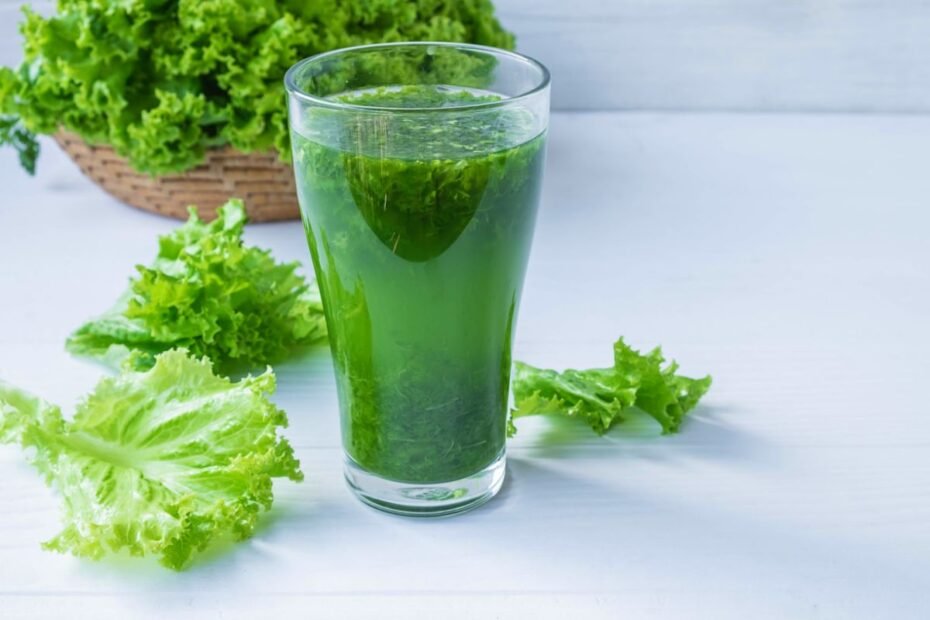
Anyone who has tried green smoothies has likely noticed that most recipes include at least one type of lettuce leaf. While people rarely consume lettuce juice as a standalone product, it is practically irreplaceable as an ingredient in various smoothies. It serves as a rich source of vitamins, other nutrients, and subtle flavor. Each lettuce variety possesses unique health-promoting properties, meaning that beverages enriched with lettuce juice can provide a wide range of benefits. It supports eye, cardiovascular, and nervous system health by contributing to detoxification processes.
Let us explore the potential benefits of lettuce juice, how to prepare it, experiment with different recipes and combinations, and even evaluate possible risks associated with its consumption.
Sensory Properties of Lettuce Juice
To understand lettuce juice, one must first consider its taste, aroma, color, and texture. However, drinking freshly prepared lettuce juice on its own is not very common, as its distinct sensory characteristics can be off-putting to some:
- The taste of lettuce juice varies depending on the lettuce type, but it is generally mild and watery, sometimes accompanied by a slightly bitter or subtly pungent aftertaste.
- The color of lettuce-based drinks ranges from pale to deep green. Iceberg and butterhead lettuces produce very light, almost yellowish-green juice; romaine yields a medium green shade, while arugula and red-leaf varieties result in darker, richer tones. Due to fiber and microstructural components, the juice may appear cloudy.
- The aroma often resembles freshly cut grass or crushed herbs, characterized by a fresh, “green,” slightly vegetal scent. Some varieties may also carry a sharper, peppery note.
- The texture can range from thin and watery to slightly thicker, often containing fine fiber residues and occasionally a mildly mucilaginous consistency.
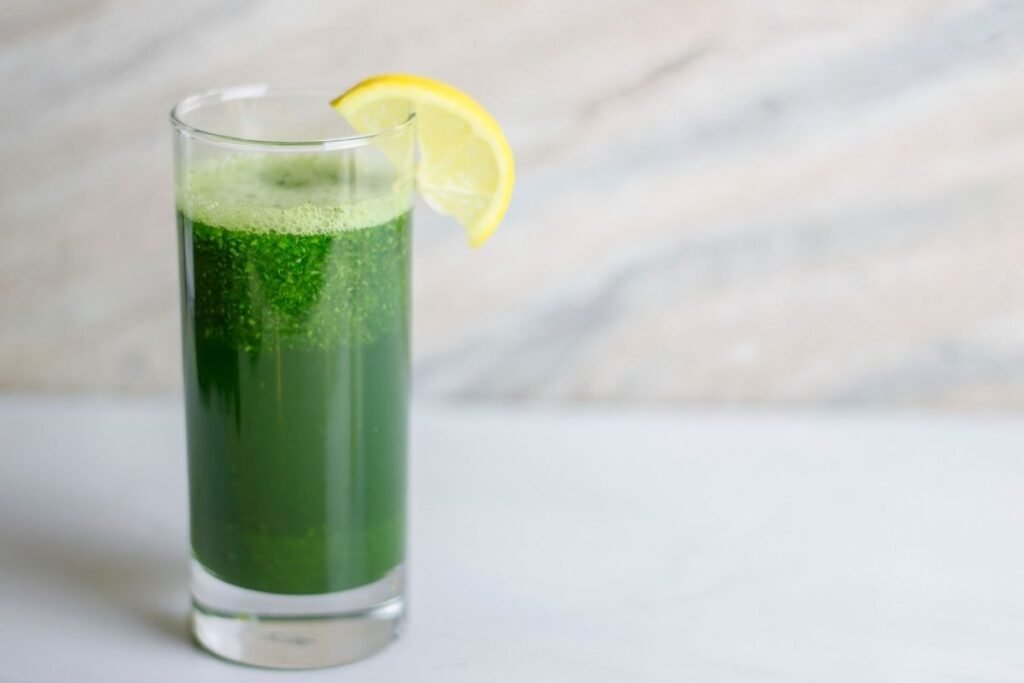
Why Lettuce Juice Is Usually an Additive Rather Than a Standalone Drink
Although lettuce juice can be extracted on its own or as part of blends, it is more commonly used as an ingredient to enhance other beverages. It has several practical reasons:
- Lettuce contains a high percentage of water but yields relatively little juice compared to fruits or root vegetables, making extraction inefficient.
- Some varieties, particularly darker leafy greens, can produce a bitter taste, while others may result in a flavor that is too mild and unremarkable.
- Consuming lettuce juice may be difficult to digest, especially for individuals with sensitive stomachs.
For these reasons, pure lettuce juice is typically reserved for laboratory, detoxification, or specialized health programs rather than daily consumption.
Choosing the Right Lettuce for Juicing
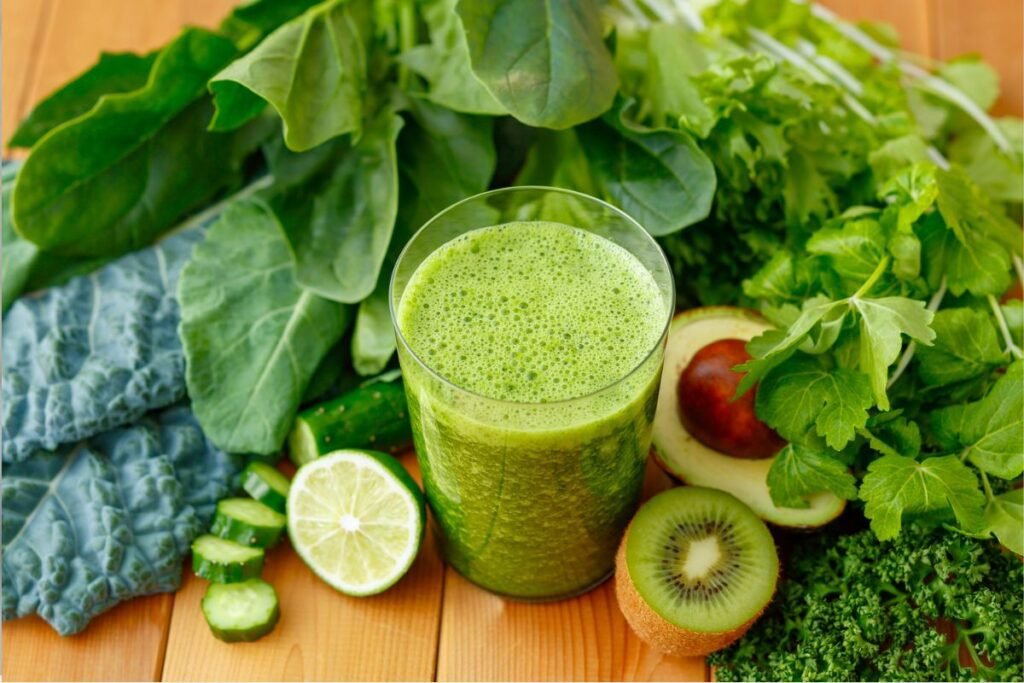
There is a wide variety of lettuces differing in color, shape, flavor, and nutritional profile. Although other leafy greens, such as spinach, kale, arugula, purslane, or lamb’s lettuce, are often included in similar drinks, they do not belong to the same botanical genus as lettuce. Nevertheless, they complement lettuce juice well due to their own beneficial properties.
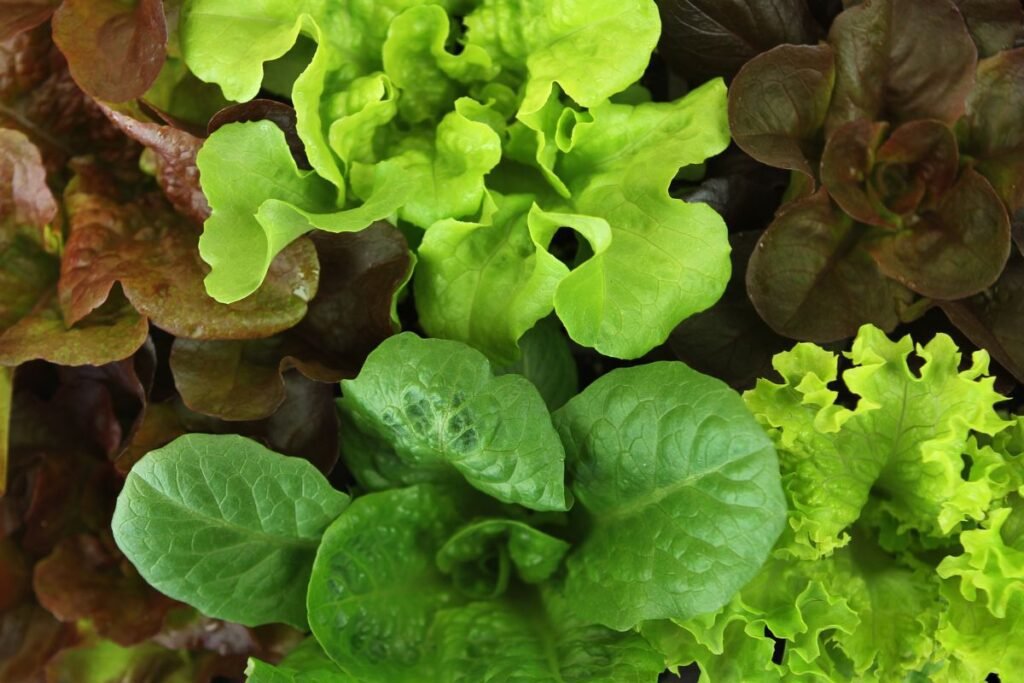
Here are some of the most commonly used lettuce types for juicing:
- Iceberg lettuce (Lactuca sativa var. capitata) is extremely high in water content (about 95–96%), producing very light, refreshing, low-calorie juice with mild nutritional value.
- Romaine lettuce (Lactuca sativa var. longifolia) is one of the main ingredients of Caesar salad. Rich in vitamins A (β-karotene) and K, as well as folate and potassium, offering stronger antioxidant effects and a more pronounced “green” flavor ideal for smoothies.
- Leaf lettuce (Lactuca sativa) is a balanced option containing chlorophyll and moderate amounts of vitamins C, A, and K, making it suitable as a base for everyday juices. In terms of nutritional properties, people classify it as an intermediate between romaine and iceberg.
- Butterhead lettuce is known as another variety of leaf lettuce for its soft leaves and creamy texture. It produces slightly sweet juice rich in vitamin K, folate, and iron—all these substances help support blood health.
- Red Leaf Lettuce: The varieties of leaf lettuce have red-colored leaves (like Lollo Rosso, Redlo, and Red Salad Bowl). It contains anthocyanins with strong antioxidant properties, contributing to higher levels of polyphenols and a slightly bitter, more intense flavor.
Health Benefits of Lettuce Juice
Lettuce is rich in carotenoids, phenolic compounds, and chlorophyll (antioxidants) that help neutralize free radicals and reduce oxidative stress associated with chronic diseases. Lettuce is a low-calorie vegetable that is nevertheless rich in fiber, folate, potassium, and iron, and leafy, romaine, and red varieties are particularly abundant in bioactive compounds. Research highlights several potential benefits:
- Improved lipid profile: Animal and human studies demonstrate that lettuce can reduce cholesterol levels and improve the lipid profile. In a three-week animal study, a diet with 20% lettuce reduced the LDL/HDL cholesterol ratio, decreased liver cholesterol levels by nearly 41%, and increased cholesterol excretion by 44%. In a study involving red lettuce and mouse models, it also decreased the atherosclerosis risk index by approximately 46%. Meanwhile, human studies using lettuce seed extract confirm these reductions.
- Anti-inflammatory effects. Sesquiterpene lactones present in lettuce (such as lactucin and lactucopicrin), along with polyphenols and flavonoids, inhibit COX and LOX enzymes. These are responsible for prostaglandin synthesis and therefore play a key role in inflammatory processes. Also, nitric oxide levels in cellular models contribute to the decrease in inflammation.
- Support for the nervous system. Animal studies have demonstrated that lactucin exerts a mild sedative effect by reducing motor activity. Lettuce has been used as a natural means of promoting calmness and relaxation.
- Cardiovascular protection. The antioxidant, anti-inflammatory, and lipid-regulating properties of lettuce juice collectively help strengthen blood vessel walls, reduce the accumulation of oxidized LDL in the arteries, and improve endothelial function. The nitrates present in lettuce may also contribute to blood pressure regulation and stimulate nitric oxide production.
- Support for eye health and immunity. Lettuce contains vitamins A, C, and K, as well as lutein, all of which support vision, enhance immune function, and contribute to proper blood clotting. These antioxidants may help reduce age-related macular degeneration.
Popular Juice Combinations
Different lettuce types pair well with various ingredients. Table 1 lists the most popular combinations of salad varieties with juices and their health benefits.
| Lettuce type | Most commonly mixed with | Function |
| Romaine | Apples, cucumber, lemon, carrots | For liver cleansing and detoxification |
| Arugula | Beets, apples, ginger, lemon | For blood vessels and blood pressure support |
| Leaf lettuce | Celery, apples, lime | Antioxidants and digestive balance |
| Iceberg lettuce | Pineapple, orange, carrots | Refreshing juice, low in calories |
| Red lettuce | Blueberries, cherries, apples | High in anthocyanins, supports blood health |
Remember that experimentation with flavors and proportions is always encouraged. Well, for those new to healthy drink preparations, here’s a simple recipe for incorporating lettuce into green smoothies.
Example Recipe: Detox and Cardiovascular Support Green Juice
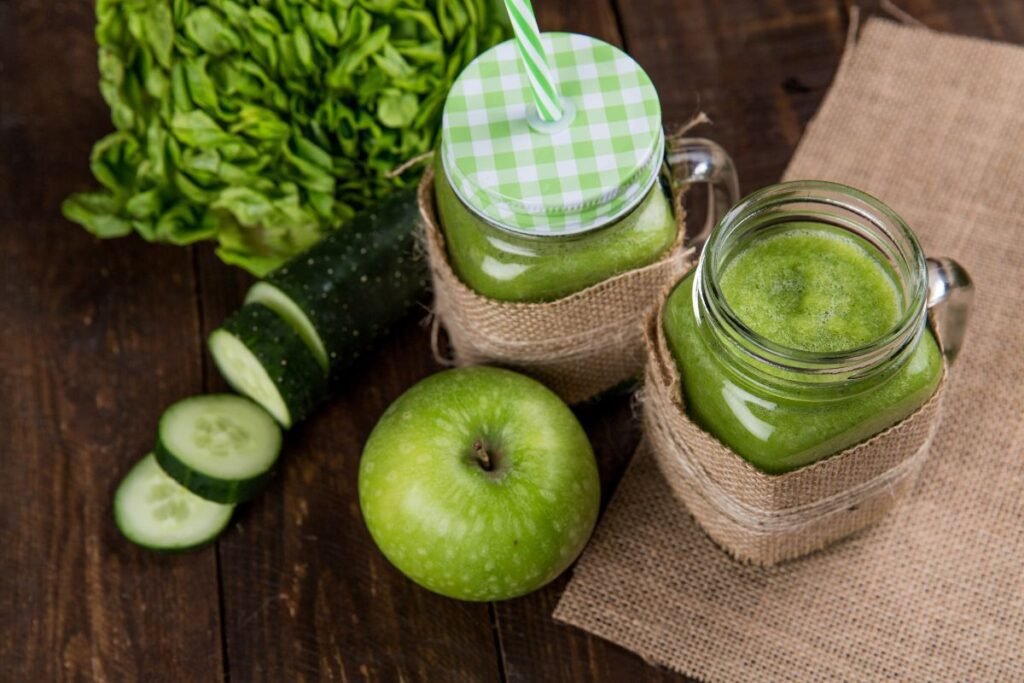
Ingredients (1 serving, ~300 ml):
- 1 cup romaine or red leaf lettuce
- ½ cup arugula
- ½ cucumber
- 1 apple
- Juice of ½ lemon
- 1 cm fresh ginger
- Optional: 2–3 mint leaves
- 100 ml water or celery juice (if needed)
Preparation:
- Wash all ingredients thoroughly.
- Chop larger items into smaller pieces.
- Process in a juicer or blender.
- If using a blender, add water and strain through a sieve or cloth.
- Add lemon juice.
- Mix well and consume immediately to preserve nutrients.

Potential Side Effects of Lettuce Juice
Incorporating lettuce juice into the diet may not be beneficial for everyone. Due to its specific properties, this type of juice can cause certain side effects, such as:
- Risk related to blood clotting. Lettuce (especially romaine, leaf lettuce, and arugula) contains a very high amount of vitamin K, which is essential for blood clotting. An excessive intake of vitamin K may interfere with the effectiveness of blood-thinning medications, and it is important to consult a physician before regularly consuming such juices.
- Possible drop in blood pressure because of nitrates. Some types of lettuce contain high levels of natural nitrates, which are converted into nitric oxide—a compound that dilates blood vessels. In general, this blood pressure–lowering effect is beneficial for a healthy individual, but it may be risky for those with hypotension or for individuals taking medications that lower blood pressure.
- Digestive disturbances, including bloating and gas. These symptoms may occur due to the high content of insoluble fiber, chlorophyll, or even sulfur compounds. They are most commonly observed when more than 300–400 ml of green juice is consumed per day or when the body is not accustomed to a high intake of leafy greens.
- Possible nausea caused by bitter compounds. Not everyone tolerates the bitterness present in certain lettuce varieties and the compounds responsible for it, which may irritate the stomach, particularly in cases of increased gastric acidity or gastritis. However, mixing the juice with apples, cucumbers, or carrots can help mitigate this effect.
- Formation of nitrites. When lettuce juice is stored for extended periods (especially in warm conditions), nitrates may convert into nitrites, which can be harmful, particularly for young children. You can avoid this effect by always consuming freshly pressed juice within 30–60 minutes after preparation.
Sources:
- https://www.liebertpub.com/doi/abs/10.1089/fpd.2022.0046
- https://www.sciencedirect.com/science/article/abs/pii/S0889157516300230
- https://www.sciencedirect.com/science/article/abs/pii/S0308814623021428
- https://www.livestrong.com/article/548414-what-are-the-benefits-of-juicing-lettuce
Associative photos © Canva