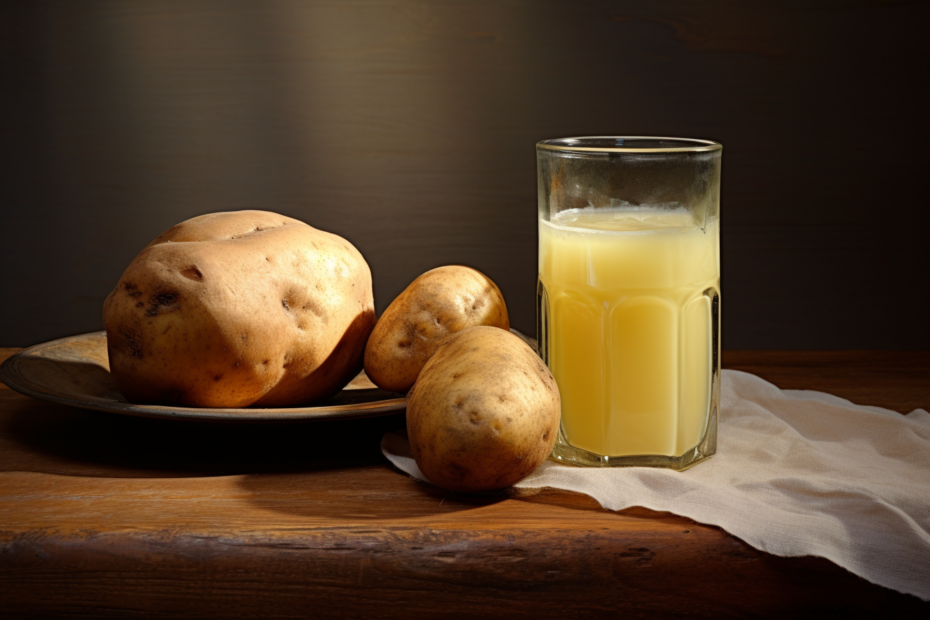
Potatoes rank among the world’s most popular foods. People enjoy them boiled, baked, roasted, mashed, and added to countless dishes and salads. They offer an affordable, nutritious source of energy and essential nutrients for both children and adults. However, many people remain unaware that potato juice may also provide a variety of health and beauty benefits. Rich in vitamins, minerals, and plant compounds, potato juice has long been used in traditional wellness practices. This article explores its potential benefits, how to prepare it, and the best ways to consume it.
Health Benefits of Potato Juice
Potatoes contain a wide range of nutrients, including vitamins B2, B6, C, E, K, and niacin (vitamin PP), as well as carotenoids, which serve as precursors to vitamin A. Yellow-fleshed potatoes generally contain higher levels of carotenoids than white varieties. Potato juice also supplies valuable minerals such as potassium, phosphorus, calcium, iron, and magnesium, along with organic acids and antioxidant compounds. Thanks to this impressive nutritional profile, potato beverages may support overall health in several ways.
Rich in Antioxidants
Potato beverage contains significant amounts of polyphenols, particularly chlorogenic acid, which accounts for the majority of polyphenols found in white potatoes. Researchers have linked chlorogenic acid to a range of potential health benefits due to its powerful antioxidant properties. Antioxidants help protect cells from oxidative stress and may lower the risk of chronic conditions such as cardiovascular disease, hypertension, neurodegenerative disorders, and certain forms of cancer.
Supports Immune Function
Potatoes provide a notable amount of vitamin C, an essential nutrient that helps the body defend itself against infections and supports normal immune function. Regular consumption of potato juice may help strengthen the body’s natural defenses, especially during the colder months when seasonal illnesses become more common.
May Help Ease Arthritis Symptoms
Potatoes possess natural anti-inflammatory properties that may help reduce discomfort associated with swelling, inflammation, and joint irritation. Some traditional uses also suggest that it may help the body manage excess uric acid, which can contribute to joint problems. As a result, some people use potato juice to help relieve joint and back pain caused by arthritis.
Promotes Healthy Circulation
Potato juice contains niacin, a B vitamin that plays an important role in energy production and cellular function. Niacin supports the delivery of oxygen and nutrients throughout the body and contributes to healthy blood circulation. Improved circulation helps tissues and organs function efficiently and may support overall vitality.

Benefits of Potato Juice for Digestive Health
- May Help Relieve Stomach Discomfort. Potato juice has relatively low acidity and contains starch, which can help soothe the digestive tract. Many people use it as a natural remedy for acid reflux, heartburn, gastritis, and stomach irritation. Its soothing properties may help reduce discomfort and support the stomach’s protective lining. Some traditional wellness practices also recommend potato juice as part of a preventive approach to maintaining stomach health. In addition, certain compounds found in potatoes may help relax smooth muscles in the digestive system and reduce digestive discomfort.
- Supports Regular Bowel Movements. Potatoes contain dietary fiber, which plays an important role in digestive health. When consumed with some of the pulp, potato juice may help support healthy digestion and normal bowel function. Fiber promotes intestinal movement and may help reduce occasional constipation.
Potato Juice for Hair and Skin Care
Beyond its nutritional benefits, potato juice has gained popularity as a natural beauty treatment for improving the appearance of hair and skin.
- Potato Juice for Stronger, Healthier Hair. Many people use potato juice as a home remedy to support hair growth and improve scalp health. It may help reduce dryness, flaking, and scalp irritation. To prepare a nourishing hair treatment, grate fresh potatoes and extract the juice, mix with one egg yolk and one tablespoon of honey, and massage the mixture into the scalp and hair roots. Leave it on for approximately one hour. For best results, apply this treatment at least twice per week. Regular use may help hair appear thicker, stronger, and healthier.
- Helps Brighten the Skin. Potato juice contains vitamin C and other compounds that may help improve skin tone and reduce the appearance of dark spots. Many people use it as a natural facial treatment to promote a brighter, more even complexion. For use, soak a cotton pad in fresh potato juice, and apply it to clean facial skin. Leave it on for 15–30 minutes and rinse with lukewarm water. After that, follow with a moisturizer. Consistent use over several weeks may help improve skin radiance and texture.
- May Reduce Visible Signs of Aging. The nutrients found in potatoes, particularly vitamin C and potassium, support skin health and may help maintain a youthful appearance. Regular topical application of potato decoction may help improve skin elasticity and reduce the appearance of fine lines and wrinkles.
- May Help Soothe Eczema-Prone Skin. Eczema often causes dryness, redness, itching, and skin irritation. Some people use potato juice as a natural remedy to soothe affected areas. Applying fresh potato juice directly to the skin or consuming it as part of a balanced diet may help support skin hydration and comfort.
Potential Risks and Precautions
Although potato juice offers several potential benefits, it may not be suitable for everyone.
- Consuming excessive amounts may lead to digestive discomfort, including nausea, diarrhea, vomiting, or stomach upset.
- Potato juice contains natural sugars, so people with diabetes should consume it in moderation and monitor their blood sugar levels.
- Pregnant and breastfeeding women should consult a healthcare professional before adding potato juice to their routine.
Anyone with a medical condition or taking medication should seek professional medical advice before using potato juice therapeutically.
How to Make and Drink Potato Juice
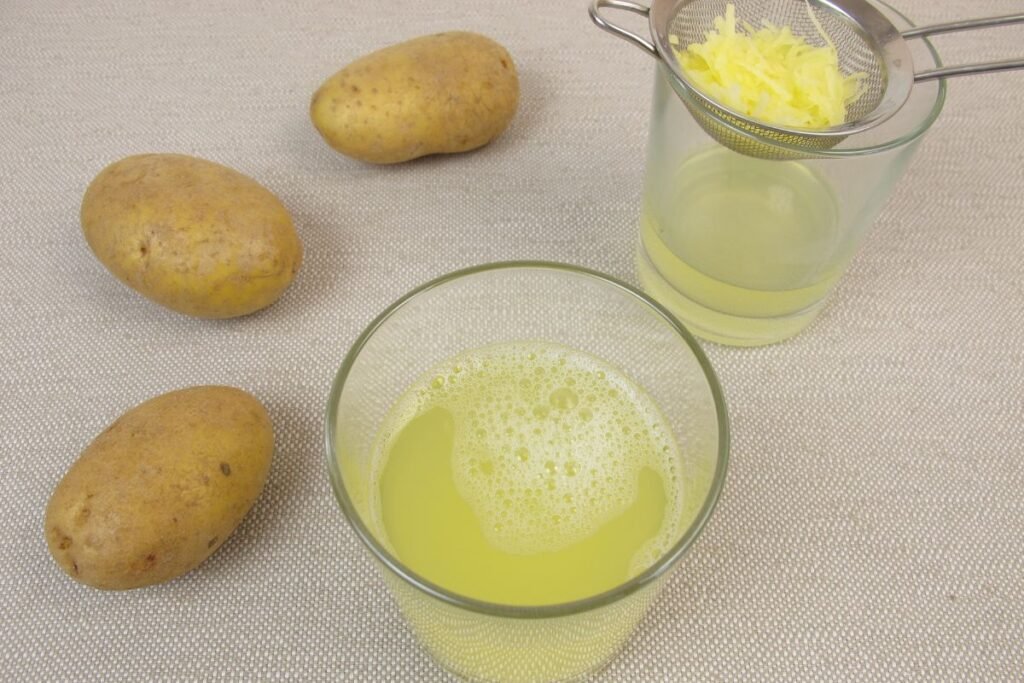
Fresh potato juice requires only two ingredients and takes just a few minutes to prepare.
Ingredients:
- 3 fresh potatoes without sprouts or green patches
- 1 cup of water
Instructions:
- Wash the potatoes thoroughly.
- Peel and cut them into small pieces.
- Place the potatoes and water into a blender or juicer.
- Blend until smooth.
- Strain if desired, although retaining some pulp increases the fiber content.
- Drink half a cup in the morning and half a cup in the evening, ideally 20–30 minutes before meals.
Potato Juice with Carrots and Celery
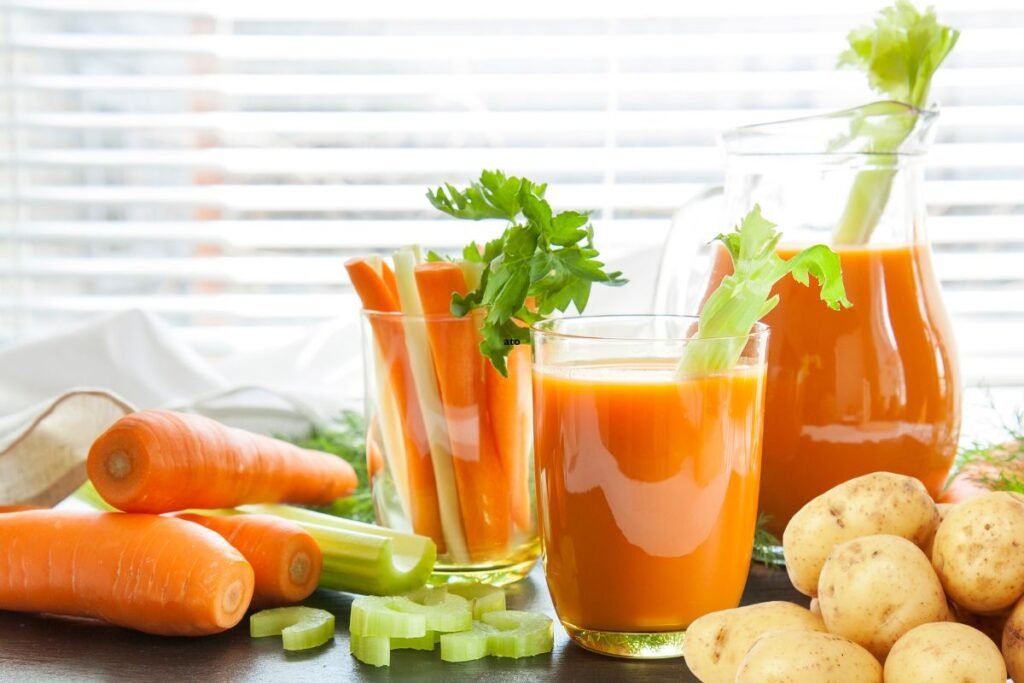
For a richer flavor and an even greater concentration of nutrients, try combining the potato beverage with carrots, celery, and an apple.
Ingredients:
Instructions:
- Wash all ingredients thoroughly.
- Peel the carrots, potatoes, and apple.
- Remove the apple seeds.
- Cut everything into small pieces.
- Process the ingredients through a juicer.
- Stir well before drinking.
- This blend provides additional vitamins, minerals, antioxidants, and natural sweetness.
Useful Tips:
- Always consume potato juice immediately after preparation.
- Do not store fresh potato juice for more than 10 minutes, as it quickly loses quality.
- Stir the juice thoroughly before drinking. The white sediment that settles at the bottom contains valuable starches and nutrients.
- For a more pleasant flavor, combine potato juice with carrot juice, cranberry juice, or a small amount of honey.
Which Potatoes Should You Avoid?
Not all potatoes are suitable for juicing.
Avoid potatoes that are:
- Green
- Sprouting
- Soft, shriveled, or damaged
- Heavily blemished
When potatoes receive excessive light exposure, they produce chlorophyll and increased levels of solanine, a naturally occurring toxic compound. Consuming potatoes with elevated solanine levels may cause symptoms such as the following:
- Nausea and vomiting
- Abdominal pain
- Diarrhea
- Headaches
- Confusion
- Fever
Although peeling can reduce some of the solanine content, the safest approach is to discard green or sprouting potatoes entirely. Always choose fresh, firm, healthy potatoes without green discoloration when making potato juice.
Final Thoughts
Potato juice offers a surprisingly broad range of potential health and beauty benefits. Its rich supply of vitamins, minerals, antioxidants, and plant compounds may support digestive health, immune function, circulation, skin appearance, and hair strength. While it should not replace medical treatment, fresh potato juice can serve as a nutritious addition to a balanced lifestyle when prepared safely and consumed in moderation.
Sources:
- https://greatist.com/health/benefits-of-potato-juice
- https://www.thecleaneatingchick.com/post/you-can-drink-potato-juice-and-here-s-why-you-should
- https://www.stylecraze.com/articles/benefits-of-potato-juice-for-skin-hair-and-health/
Associative photos © Canva. Cover photo generated with Midjourney AI.