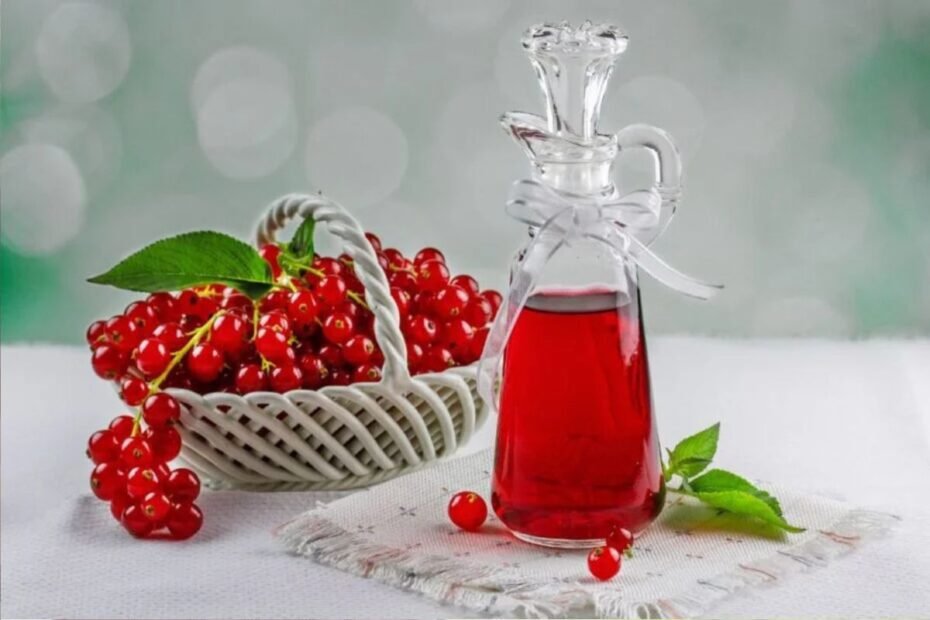
As summer peaks, gardens come alive with clusters of bright red currants. These vibrant berries are a beautiful sight and also a nutritional powerhouse. Packed with vitamins and minerals, red currants are worth enjoying fresh while in season. They can support immune health, nourish the body with essential nutrients, and even manage certain health conditions. But when the harvest is too abundant to eat fresh, it’s time to preserve these berries for the colder months. You can transform red currants into a wide range of homemade delights—from jams, jellies, and sauces to refreshing juices. Among them, red currant juice serves as a versatile and health-boosting product. So, we’ll explore its benefits, preparation methods, and usage tips.
Red Currants: A Classic Summer Berry
Like their black and white counterparts, red currants are a familiar and cherished fruit in many gardens. Currant bushes can produce bountiful yields for up to 25 years if properly cared for. Early varieties ripen in late June, while later ones may bear fruit until the first frost. The height of the red currant season typically spans the latter part of July into early August.
When your bushes are heavy with ruby-red clusters, it is a sign of harvest time. Here are a few key tips for picking red currants correctly:
- You should pick up the berries in the morning or late evening to avoid strong sunlight.
- Pick the entire cluster, not individual berries.
- Wait until most of the berries are ripe. Red currants stay on the bush longer than black or white ones and don’t fall off as readily.

A Nutritional Gem
Red currants offer a nutrient-rich profile while being low in calories. One 100-gram serving contains just 56 calories, including 14 grams of carbohydrates (8 g of natural sugars), 1.5 grams of protein, and 0.2 grams of fat. They are also a sufficient source of dietary fiber.
These berries are rich in vitamin C, slightly less than black currants, vitamin A, vitamin K (phylloquinone), and choline. Thanks to this, red currants are considered a potent antioxidant food. They also contain essential minerals such as potassium, calcium, phosphorus, magnesium, sodium, and iron. Their tartness comes from organic acids, primarily citric acid, which enhances their antioxidant properties.
Preserving the Harvest of Red Currants: From Jams to Juices
While fresh currants offer the maximum health benefits, you will not eat the entire fresh harvest. Thankfully, red currants are perfect for creating winter reserves—classic jams, preserves, jellies, or highly valuable juice.
Red currant juice is a product not just for drinking—you can utilize it to make marinades, salad dressings, and sauces. Its subtle tartness makes it a brilliant substitute for lemon juice, and it pairs exceptionally well with poultry or in vinaigrettes.

Red Currant Juice Benefits
Thanks to its antioxidant content, red currant juice can help strengthen immunity and may offer protection against chronic illnesses. It also helps to recover the body from colds and boosts skin and hair health due to its vitamin A and C content. The mineral profile of the juice contributes to its revitalizing and restorative qualities.
Red currant juice addresses several ailments in traditional medicine, such as:
- Kidney stones: Their diuretic properties help flush the system.
- Anemia: It supports red blood cell production.
- Osteoporosis: Vitamin K and calcium aid bone regeneration.
- Constipation: Its fiber content promotes healthy digestion.
- Painful menstruation: Its anti-inflammatory effects may help alleviate discomfort.
Short-Term Storage and Usage Tips
Due to their tartness, red currant juice is often too sour to drink pure. Blending it with sweeter fruit or berry juices can make it more enjoyable. You can prepare a small batch of juice for short-term use—ideal for smoothies, sauces, or flavoring soups and baked goods.
For immediate use, the juice can be made without sweeteners. Unsweetened red currant juice will keep in the fridge for about a week. If you add sugar (roughly 1 cup of sugar per 3 liters of berries), the juice will last longer.

How to make red currant juice:
- Rinse and remove stems and leaves from the berries. Embed them in a large pot and add enough water to cover them. Add sugar if using.
- Simmer the berries on low heat for 10 minutes until they burst.
- Allow the mixture to cool to room temperature.
- Pour the mixture into a cheesecloth bag over a large bowl. Let the juice drain out naturally or gently squeeze it through. You can hang the bag to let the last drops fall.
- Pour the juice into sterilized bottles or jars, seal tightly, and store in the fridge.
Two Ways to Preserve Red Currant Juice for Winter
If you want to enjoy red currant juice all winter long, here are two preservation methods:
- Pasteurized juice with sugar
- Naturally frozen juice (no added sugar)
Freezing is the healthier option and retains more nutrients. Always freeze juice in small plastic containers and thaw only when needed. Do not store thawed juice for long. You can also freeze juice into ice cube trays—great for cooling drinks with a flavorful twist.
Pasteurized juice is closer to syrup and is best used in teas or cocktails. These versions typically require an equal or half amount of sugar relative to the volume of berries, which significantly alters the nutritional profile.

Creative Ways to Enjoy Red Currant Juice
Because of its tangy flavor, you should use red currant juice as a complementary ingredient. We suggest some ideas to utilize red currant juice:
- Mix equal parts juice and sparkling mineral water for a refreshing aperitif with digestion- and appetite-improving properties.
- Dilute with still water for a naturally flavored hydration drink—perfect after workouts.
- Blend with fruit or berry smoothies for a vitamin boost.
- Drizzle a spoonful over vanilla ice cream.
- Add to salad dressings or meat marinades.
- Mix with herbal teas—especially with fresh or dried currant leaves—for a comforting cold remedy.

Cautions and Side Effects
Though generally safe, red currant juice may not be suitable for everyone. Use caution in the following situations:
- If you are on blood thinners or have hemophilia, limit intake due to its mild anticoagulant properties.
- Avoid if you have stomach or duodenal ulcers or suffer from high stomach acidity.
- Be cautious if taking medication for high blood pressure, as the juice can amplify the effects.
- You have a risk of reacting to currants if you are allergic to peaches, apricots, or raspberries.
Sources:
- https://www.dovemed.com/healthy-living/natural-health/7-health-benefits-of-redcurrant
- https://www.healthifyme.com/blog/black-currant-benefits
- https://www.nature-and-garden.com/health/red-currant-health-benefits.htm
- https://scandicuisine.com/red-currant-juice
Associative photos © Canva