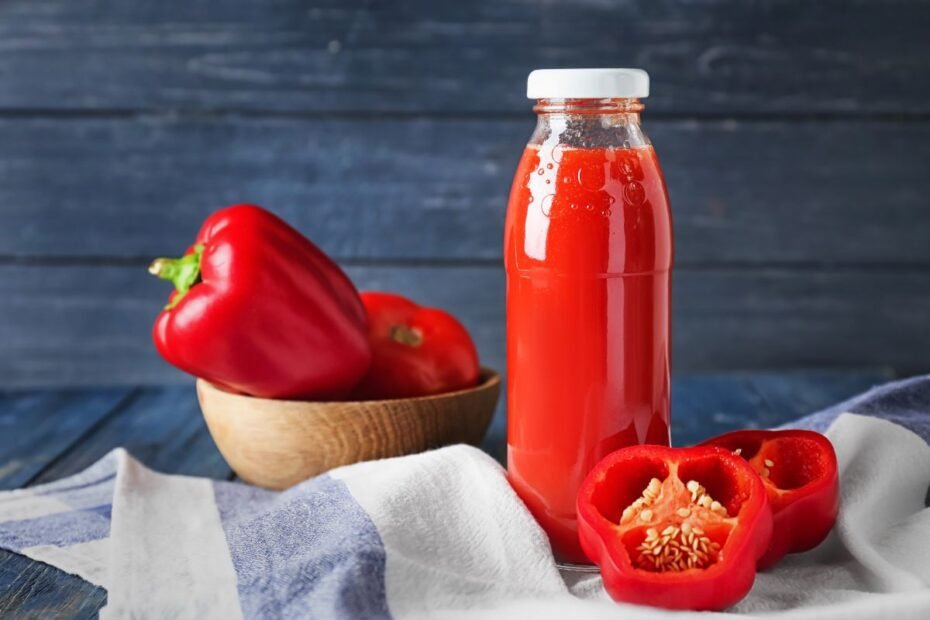
We are excited to introduce you to a somewhat unconventional yet remarkable product: paprika juice. This vegetable-based drink is a legitimate powerhouse of vitamins A and C, boasting concentrations that far exceed your daily requirements. But the benefits don’t stop at immune support. Bell pepper/chili pepper juice is a multifunctional tonic that enhances cardiovascular function, preserves ocular health, aids digestion, and protects the skin from environmental damage. Whether enjoyed as a refreshing wellness shot or used as a bold base for gourmet sauces and recipes, this juice is a versatile addition to your kitchen.
In this guide, we will break down everything you need to know—from its unique nutritional profile and preparation methods to responsible consumption and potential side effects.
What Makes Paprika Juice Unique?
The flavor, aroma, and texture of the juice depend heavily on the variety (sweet vs. chili), color, and ripeness of the pepper used.
- Sweet Bell Peppers: Offer a mildly sweet, crisp profile with a refreshing vegetal finish.
- Green: Slightly bitter with a “grassy” freshness.
- Red: The sweetest and most robust in flavor.
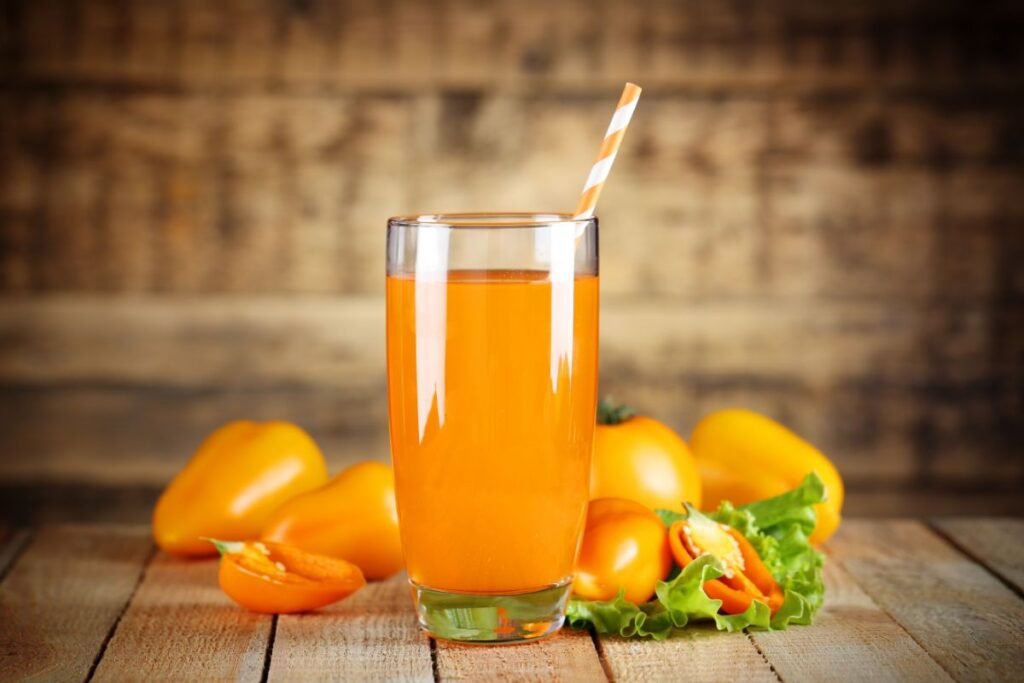
- Yellow/Orange: Mellow, with a light, fruity sweetness.
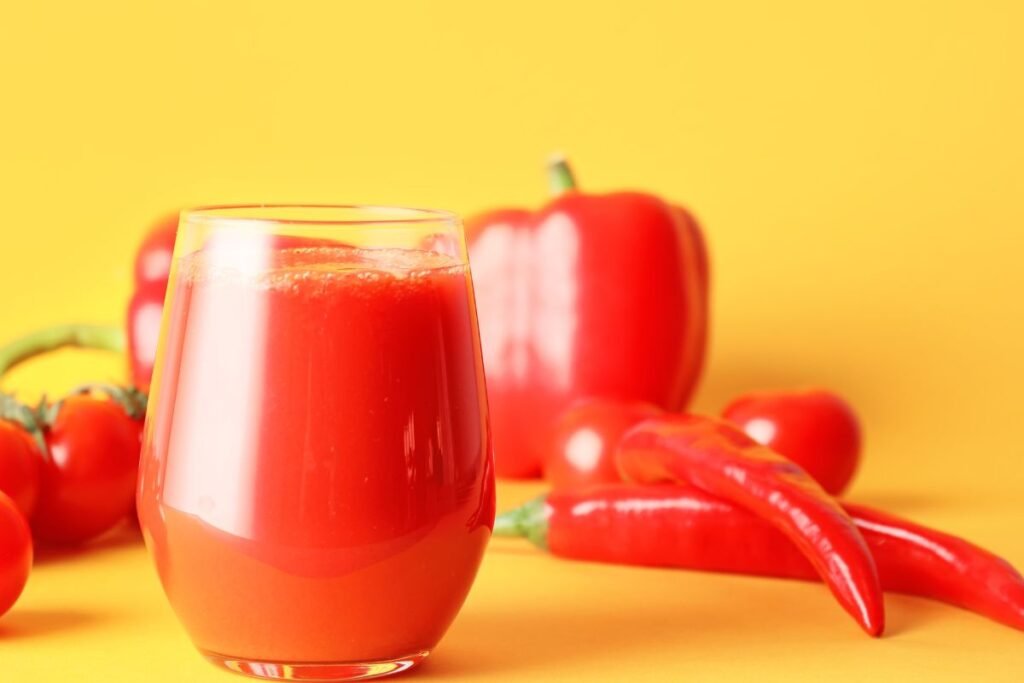
- Chili Peppers: A complete departure from the sweet variety, chili pepper juice is intense, spicy, and can even be burning, characterized by a sharp, piquant aroma.
The scent of paprika juice mirrors the taste—fresh and earthy. Red peppers carry subtle fruity notes, while green peppers emit a more grounded, pungent fragrance.
This juice is naturally slightly viscous due to its fiber content. If filtered, it becomes light and clear; otherwise, it retains a rich, velvety consistency.
Nutritional Composition of Sweet Bell Peppers and Their Juice
While specific clinical data on the juice itself is evolving, we can look at the nutrient density of 100 g of fresh sweet peppers to understand the “vitamin bomb” effect:
| Nutrient | Amount per 100 g |
| Energy | 31 kcal |
| Protein | 1 g |
| Fats | 0.3 g |
| Carbohydrates | 6 g |
| Fiber | 2.1 g |
| Vitamin C | 127.7 mg |
| Vitamin A | 3131 IU |
| Vitamin B6 | 0.3 mg |
| Vitamin E | 1.58 mg |
| Vitamin K | 4.9 µg |
| Folic Acid | 46 µg |
| Potassium | 211 mg |
| Sodium | 4 mg |
| Calcium | 7 mg |
| Iron | 0.43 mg |
| Magnesium | 12 mg |
Despite their low caloric density, bell peppers (and their juice) are exceptionally nutrient-dense. Consuming them provides your entire daily requirement of vitamin C (about 160% Daily Value) and can deliver a staggering three to four times the recommended daily intake of vitamin A (391%). Beyond these basics, peppers are loaded with bioactive compounds:
- Carotenoids, such as alpha/beta-carotene and lutein, provide vivid color and act as potent antioxidants.
- Flavonoids: Including quercetin and catechin, which support cardiovascular health.
- Phenolic Compounds: Over 59 distinct types (ferulic and caffeic acids) help shield cells from oxidative stress.
Key Health Benefits of Paprika Juice
For those who enjoy the distinct profile of bell peppers or other paprika juice, there is excellent news. Incorporating these products into your diet does more than just satisfy your palate—it serves as a significant investment in your physical well-being. While clinical data specifically focusing on the juice form is still emerging, the following health benefits are well-documented for whole peppers and are highly likely to be mirrored in their liquid extract:
- Antioxidant Shield: Paprika juice fights oxidative stress, potentially reducing the risk of chronic diseases like cancer and heart disease.
- Vision Support: Rich in zeaxanthin, lutein, and vitamin A, which are essential for preventing cataracts and macular degeneration.
- Immune Fortification: The massive Vitamin C content boosts the body’s resistance to infections.
- Digestive Wellness: Peppers serve as an excellent source of dietary fiber, which is essential for stimulating healthy digestion and preventing constipation. If you choose to leave your bell pepper juice unfiltered, these beneficial fibers remain intact within the beverage, maximizing its gastrointestinal advantages.
- Cardiovascular Health: Paprika juice may improve circulation and help manage blood pressure and cholesterol levels.
- Iron Absorption: Vitamin C significantly enhances the uptake of iron from plant-based foods, reducing the risk of anemia.
- Cancer Prevention: Emerging research suggests that diets rich in the carotenoid β-cryptoxanthin may play a role in lowering the risk of specific malignancies, including bladder, lung, and colon cancers.
- Protection Against UV Damage: Experimental studies have shown the potential of sweet bell pepper juice to combat photo-aging. The bioactive compounds within the juice help inhibit the breakdown of the dermal matrix, suppress inflammatory responses, and prevent DNA damage. Furthermore, by bolstering the body’s antioxidant defenses, it significantly reduces overall skin damage caused by environmental stressors.
How to Prepare Bell Pepper Juice at Home
You don’t need a degree in culinary arts to make paprika juice. With a few basic ingredients, you can have a fresh glass in minutes.
Ingredients:
- 3 large bell peppers (red or yellow recommended for sweetness).
- 1/2 cup water (optional, for a thinner consistency).
- 1/2 juiced lemon (for brightness).
- A small knob of ginger (optional, for a spicy kick).
Instructions:
- Prep: Wash thoroughly, remove the stems and seeds, and chop into chunks.
- Blend: Place peppers in a blender with water, lemon, and ginger. Add an apple or a carrot for extra sweetness.
- Strain: Pour the mixture through a fine-mesh sieve or cheesecloth to remove solids.
- Serve: Best enjoyed immediately or stored in the fridge for up to 24 hours.
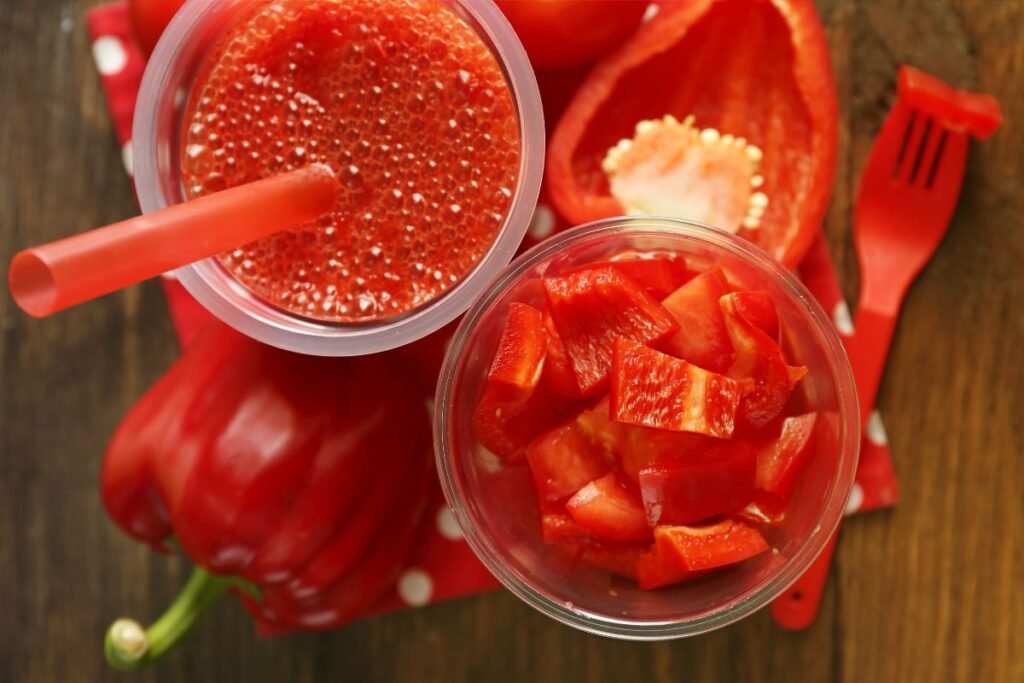
Recommended Daily Intake of Bell Pepper Juice
While bell pepper juice is exceptionally nutrient-dense, its potent flavor profile and high vitamin C concentration necessitate mindful consumption to avoid overstimulation of the system. To help you enjoy this elixir safely, here are the primary guidelines for responsible consumption:
- For Beginners: Start with 50–100 ml per day.
- Standard Dose: 150–250 ml daily is sufficient for most adults.
- Maximum Limit: Do not exceed 300 ml per day.
For best absorption, drink on an empty stomach in the morning. For digestive aid, sip a small amount before a meal.
Special Note on Chili Juice:
Chili juice contains capsaicin, which is highly irritating. Use extreme caution:
Dosage: Only 5–15 ml (1-3 teaspoons) per day.
Dilution: Always dilute with water (1:5 or 1:10 ratio) or mix with tomato/carrot juice.
Potential Side Effects and Precautions
While healthy, bell pepper juice isn’t for everyone. Avoid or limit intake if you experience:
- Increased Acidity: High vitamin C can cause heartburn or irritate those with gastritis/acid reflux.
- Digestive Upset: Excessive amounts (over 300 ml) may cause bloating or diarrhea.
- Allergic Reactions: Some individuals may experience skin rashes or respiratory issues.
- Medication Interaction: Vitamin K can interfere with blood-thinning medications.
- Kidney Health: Excessive long-term consumption may increase the risk of oxalate kidney stones.
The consumption of chili pepper juice triggers significantly more intense physiological interactions and symptoms. This can manifest as a potent systemic reaction, including profuse sweating, dizziness, and a transient drop in blood pressure. Furthermore, highly concentrated chili juice may cause severe throat irritation or even persistent coughing.
Safety Tip: When handling hot chili peppers for juicing, wear gloves and avoid touching your eyes or face, as the juice can cause severe burning sensations.
Sources:
- https://www.sciencedirect.com/science/article/abs/pii/S0023643820302735
- https://www.recipal.com/ingredients/20809-nutrition-facts-calories-protein-carbs-fat-peppers-sweet-green-raw-cold-pressed-juice
- https://pmc.ncbi.nlm.nih.gov/articles/PMC4892306
- https://www.mdpi.com/1420-3049/27/19/6394
Associative photos © Canva.