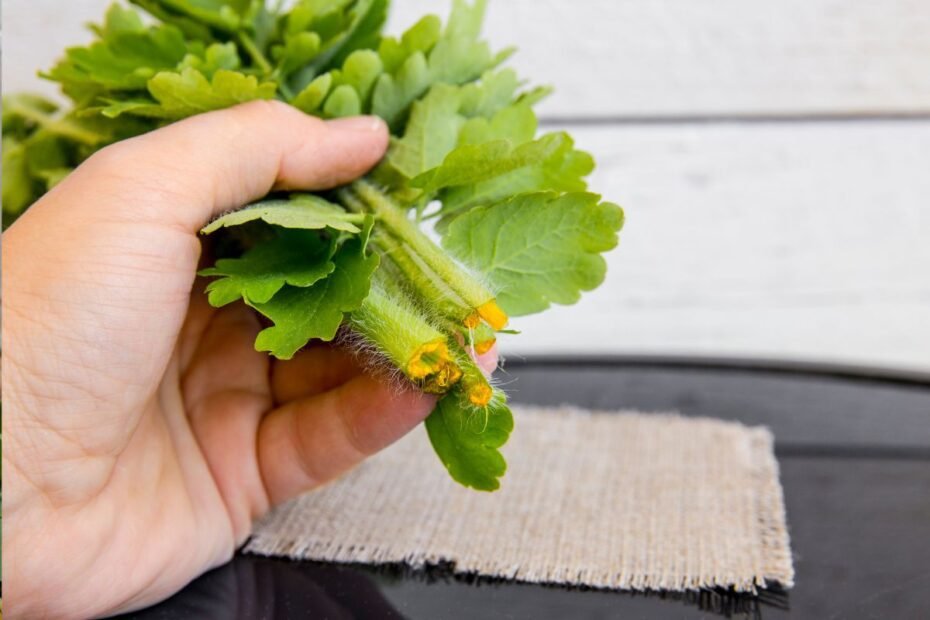
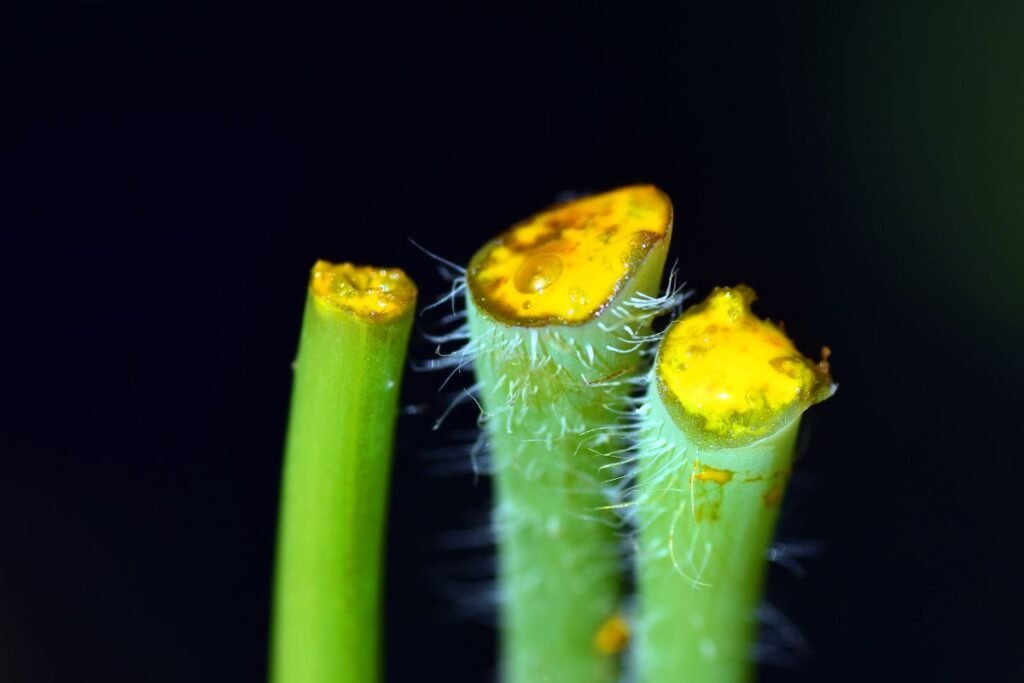
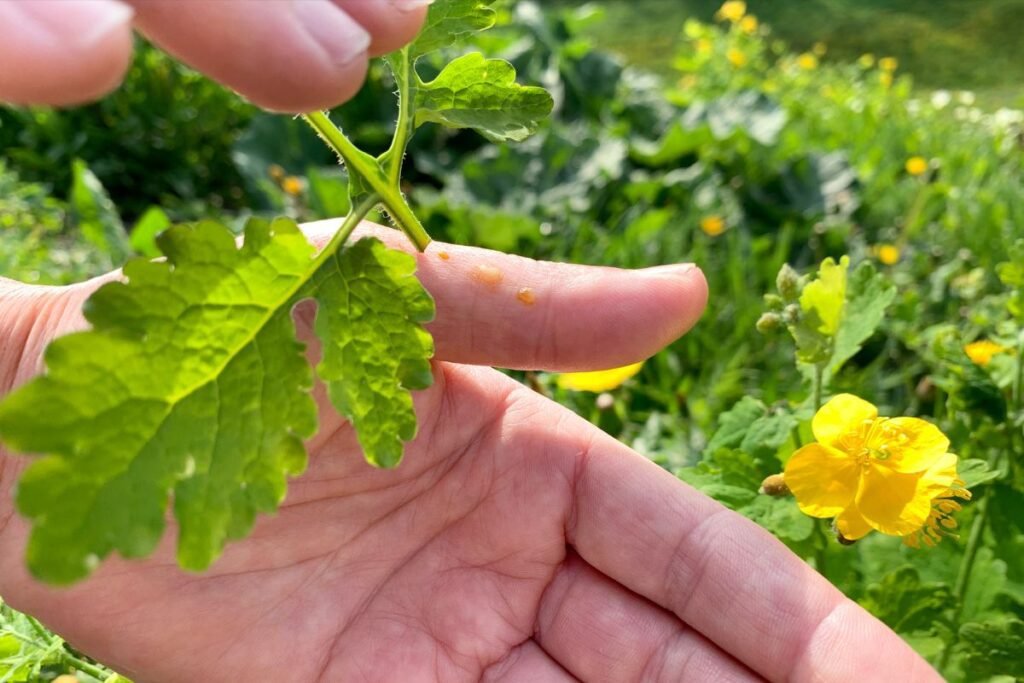
The vivid yellow liquid that flows out when the stems of celandine are broken is none other than the widely valued celandine juice known in traditional folk medicine. Despite its contradictory effects, people have recognised this sap for centuries as a remedy for warts and calluses. However, the benefits of celandine juice do not end with this well-known achievement; scientists continue to actively investigate more advanced applications of this plant extract. Unfortunately, celandine has a reputation as a poisonous plant, which means that you must approach its use in home remedies with exceptional responsibility.
In the following sections, we will examine in detail how and for what purposes you may safely use celandine juice and when it poses a threat to health.
What Is the Plant That Produces This “Golden Liquid”?
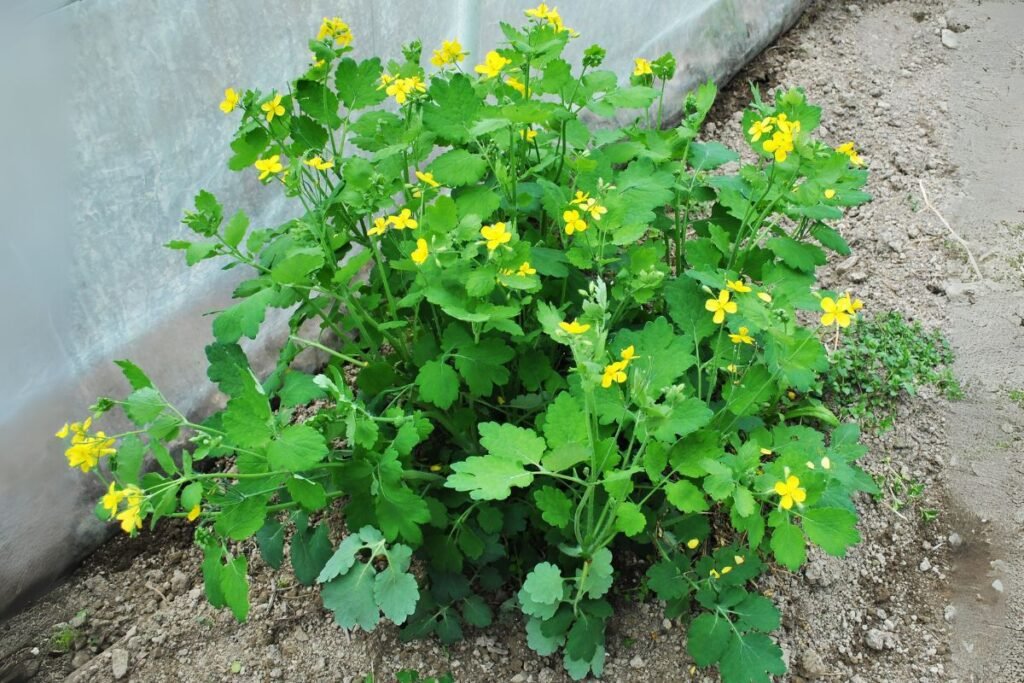
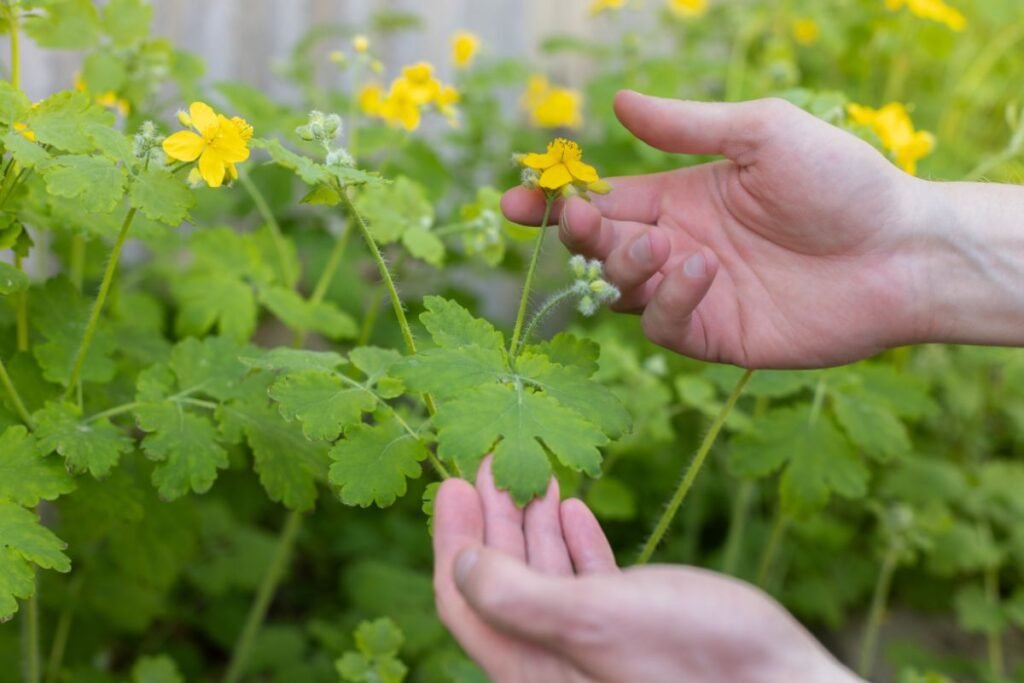
Have you ever noticed that when you pick the sparsely hairy stems of a herb decorated with yellow flowers, standing approximately 30 to 100 centimeters tall and bearing deeply lobed leaves, an orange or yellowish-orange liquid immediately appears? This distinctive characteristic belongs to the only species of celandine that grows widely: a greater celandine (Chelidonium majus), a member of the poppy family (Papaveraceae).
This perennial herbaceous plant grows along fences, in thickets, on waste ground, and in many other ordinary locations, which means that most people have likely encountered it at some point in their lives. It is also quite possible that grandmothers once advised applying the plant’s yellow sap directly to a protruding wart, because people believe celandine has remarkable effects in treating such skin growths.
Compounds Found in Celandine Juice: Beneficial, also Potentially Harmful
The remarkable medicinal properties of celandine attribute a broad spectrum of chemical substances present within the plant. The most influential compounds include alkaloids, flavonoids, organic acids, saponins, glycosides, and other bioactive molecules. Let us take a closer look at these components:
- Alkaloids. These are among the primary bioactive constituents in celandine, known for their anti-inflammatory, analgesic, and antiviral properties. The most significant alkaloids include chelidonine, sanguinarine, chelerythrine, glaucine, coptisine, and berberine. However, these same substances can also act as toxins. Their poisonous effects may occur if you consume celandine juice internally.
- Flavonoids. This group of compounds is another important component, characterized by strong antioxidant, anti-inflammatory, and cardioprotective properties. The principal flavonoids found in celandine include quercetin, apigenin, and luteolin.
- Organic Acids. Celandine juice contains various organic acids that may help reduce inflammation and exhibit antibacterial effects (the citric acid and oxalic acid are the most abundant).
- Additional Bioactive Substances. Beyond the compounds listed above, celandine also contains saponins, glycosides, carotenoids, tannins, essential oils, vitamins C and A, and minerals such as potassium.
Health Benefits of Celandine Juice
The beneficial properties of celandine juice are recognizable in traditional medicine, particularly for the treatment of skin conditions. Although the use of celandine in modern pharmacology remains a subject of debate, certain scientific findings support some of its traditional applications. They observed the following effects:
- Antiviral Effects. Alkaloids present in celandine juice, such as chelidonine and chelerythrine, demonstrate antiviral activity. Research suggests that these substances may inhibit the replication of the human papillomavirus (HPV) and reduce the expression of viral oncogenes E6 and E7. Additionally, chelidonine may directly interact with glycoproteins of the Herpes simplex virus type 1 (HSV-1), preventing the virus from attaching to host cells.
- Antifungal and Antibacterial Effects. Celandine alkaloids, particularly chelerythrine and sanguinarine, suppress the growth of various bacteria and fungi. For example, chelerythrine has demonstrated effectiveness against Pseudomonas aeruginosa, while sanguinarine has shown activity against Staphylococcus aureus. Scientists also observed strong inhibitory effects against the fungus Candida albicans.
- Anti-Inflammatory and Analgesic Effects. Celandine extracts may reduce inflammatory processes by lowering the production of inflammatory cytokines such as TNF-α, IL-6, and IL-1β. In addition, they may provide pain relief without the side effects commonly associated with narcotic analgesics.
- Hepatoprotective Effects. Some studies indicate that celandine extracts may help protect the liver from toxic damage by reducing oxidative stress and inflammation. However, due to the potential for liver toxicity, you must use such preparations with caution and only under medical supervision.
- Anticancer Potential. Both laboratory and animal studies have suggested that celandine extracts may inhibit the growth of certain cancer cells, particularly in cases involving pancreatic and colorectal cancers. Nevertheless, these findings remain preliminary and require further clinical research.
Practical Uses of Celandine Juice
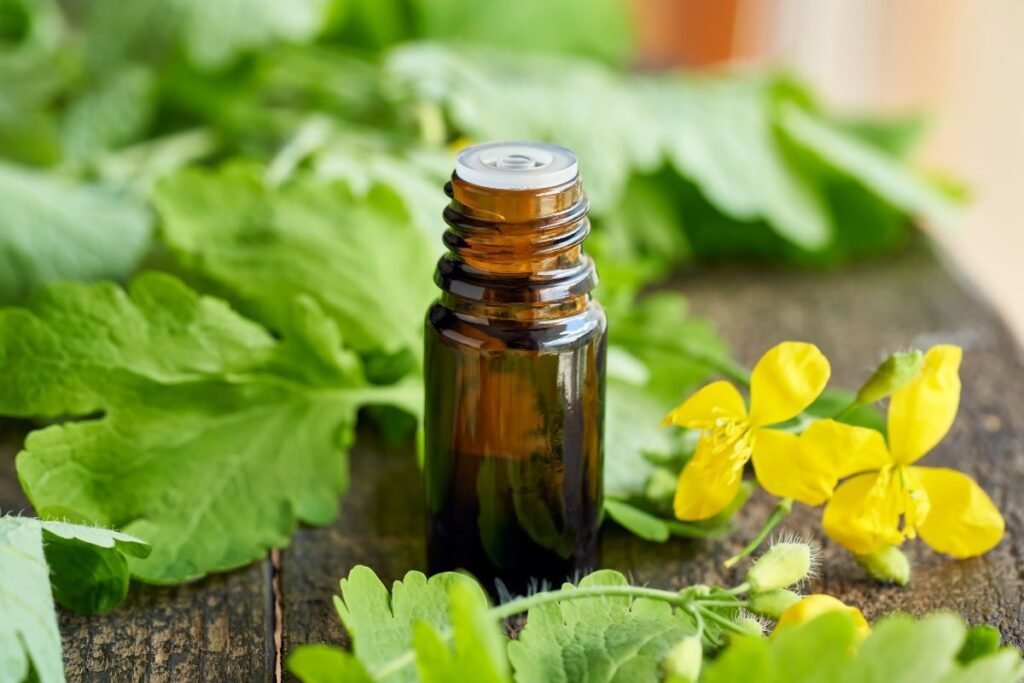
To remain consistent with established safety standards, it is essential to clarify the acceptable ways to use celandine juice. First and foremost, in home settings, celandine juice should be used for external purposes only. The primary applications include:
- Treatment of Warts, Calluses, Age Spots, and Other Skin Lesions. Apply fresh celandine juice directly to unwanted skin growths. Use the liquid in small quantities and for short periods of time, strictly on the affected area, while avoiding contact with healthy skin.
- Management of Inflammatory Skin Conditions. In cases of skin disorders associated with inflammation or infection, such as eczema or acne, you may use celandine juice on small inflamed areas. Before use, perform an allergy test on a small patch of skin. If no adverse reaction occurs, apply the juice once or twice daily, exclusively to the affected area.
- Treatment of Certain Skin Infections. For fungal or bacterial skin infections, use celandine juice directly on the affected areas as a topical antiseptic.
Although celandine juice is sometimes used internally for conditions such as digestive disorders, constipation, gallstones, hepatitis, liver detoxification, or as part of anticancer therapy, safety considerations require that internal use be undertaken only with the approval and supervision of a qualified healthcare professional.
Side Effects and Toxicity of Celandine
Celandine juice can cause serious adverse effects, especially when used improperly or in excessive amounts. Because celandine is a poisonous plant, always approach its use with caution.
Celandine juice contains alkaloids capable of causing poisoning. High doses of these substances may lead to internal organ damage and severe health complications. Symptoms may include:
- nausea and vomiting
- headaches and dizziness
- disturbances of consciousness
- abdominal pain
- Irregular heart rhythm
- respiratory depression in very high doses
- and, ultimately, potentially fatal outcomes
These alkaloids are also associated with liver damage, including hepatitis, liver failure, and oxidative stress, as well as gastrointestinal disorders such as gastritis and ulcers.
Topical use of celandine juice may cause skin irritation, including itching, redness, pain, burning sensations, and, in some cases, blistering, particularly when used for prolonged periods or on large areas of skin. Individuals with sensitivity to plant compounds may also experience allergic reactions.
Improper internal use of celandine juice may suppress the activity of the central nervous system, potentially leading to sedation and impaired coordination.
Finally, the use of celandine during pregnancy and breastfeeding is strictly prohibited due to its potential teratogenic effects. The plant may disrupt blood supply and cause liver damage in both the mother and the fetus, and it may also lead to miscarriage or congenital abnormalities.
Sources:
- https://pmc.ncbi.nlm.nih.gov/articles/PMC7084376
- https://pubmed.ncbi.nlm.nih.gov/26626193
- https://pmc.ncbi.nlm.nih.gov/articles/PMC11374730
- https://www.mdpi.com/1420-3049/25/4/842
- https://www.mdpi.com/1996-1944/17/17/4199
- https://pmc.ncbi.nlm.nih.gov/articles/PMC11374730
Associative photos © Canva.