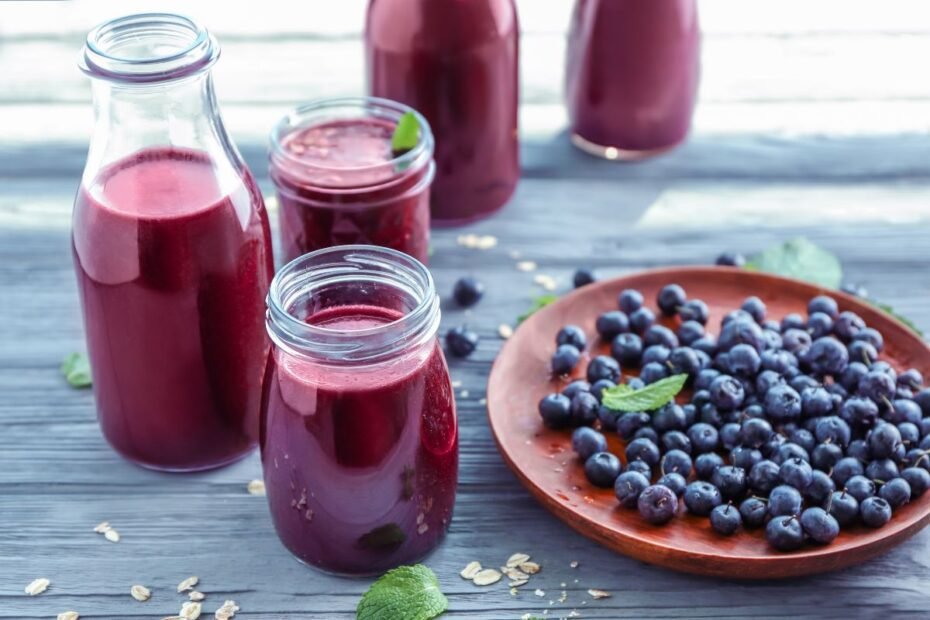
Acai juice is a nutrient-dense, antioxidant-rich beverage known for its deep purple color, subtle berry flavor, and impressive health potential. Researchers continue to investigate its ability to protect the body from oxidative stress, support cardiovascular health, strengthen immune function, and even contribute to cancer prevention strategies. Many people consume acai berries as a superfood or a natural source of vitamins, particularly vitamin C. Consumers should also understand the possible side effects associated with regular intake.
This article explores the nutritional profile of acai berry juice, its essential health properties, practical ways to prepare it at home using puree or powder, and the potential risks linked to consumption.
Acai Berry Juice: Flavor, Aroma, and Appearance
Acai juice does not taste sweet in the same way as grape or strawberry juice. Instead, it offers a rich, layered flavor profile with earthy, berry-like, and slightly cocoa-like notes. Health-conscious consumers value these distinctive characteristics, although many people need time to adjust to the unusual taste or prefer blending acai with other fruits.
Usually, commercially available acai juices are pasteurized and ready to drink, but homemade versions prepared from frozen puree or powdered berries have also become increasingly popular.
The flavor of acai juice depends heavily on berry ripeness, processing methods, and storage conditions. Many people describe pure acai juice as unusual or mildly bitter. To create a flavor profile more familiar to European tastes, manufacturers and home cooks often combine acai with bananas, apple juice, or grape juice.
Authentic acai juice delivers a delicate sweet-and-sour balance with subtle bitter undertones. Many people compare its taste to a blend of blueberries, blackcurrants, and dark chocolate, while others notice hints of nuts or herbs. The texture also creates a unique mouthfeel: smooth yet slightly chalky or grainy, with a mild dryness caused by naturally occurring tannins.
Its aroma remains gentle and understated rather than intense. Most people detect earthy notes reminiscent of berries, herbs, or cocoa.
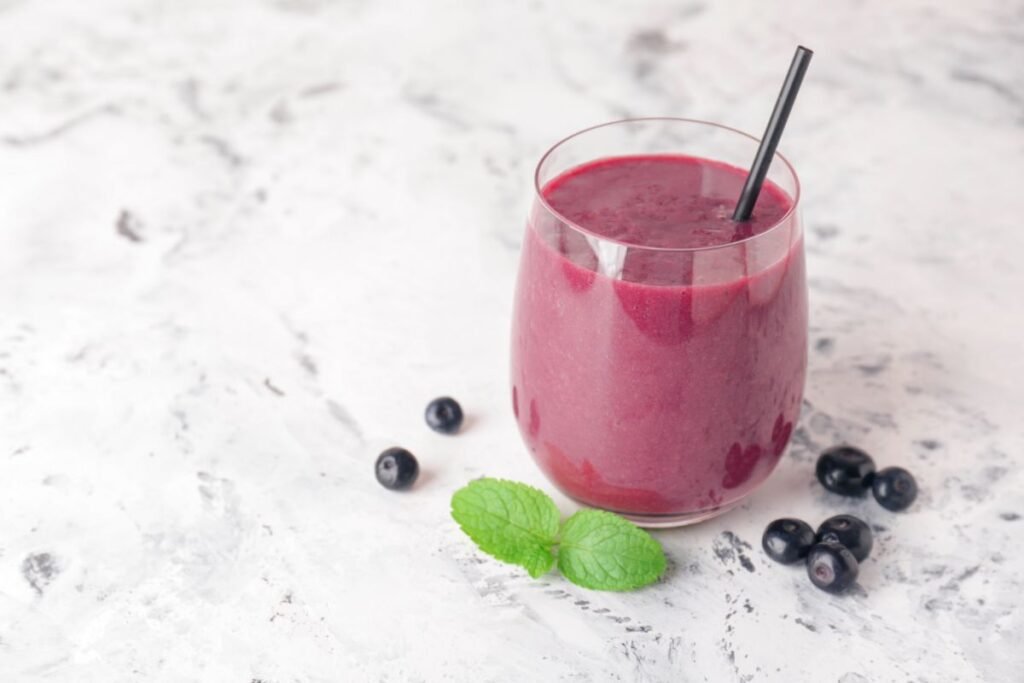
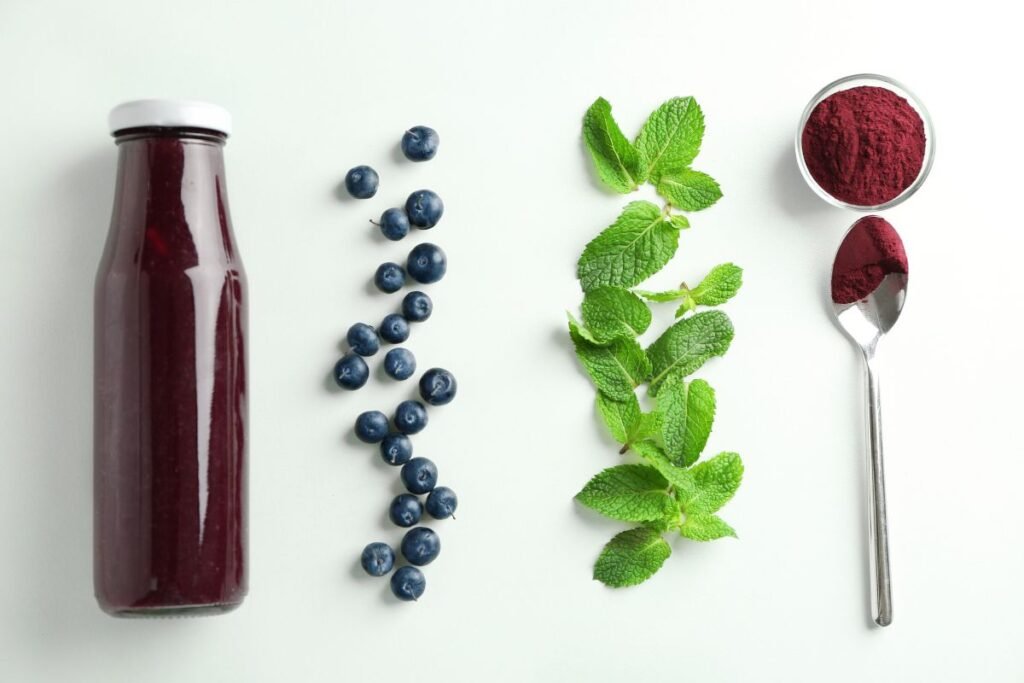
Acai juice also stands out visually with its dark violet, almost black color, produced by its exceptionally high anthocyanin content. Since acai berries contain abundant fiber and pulp, the juice develops a thick, smoothie-like consistency, especially when prepared from puree or powder.
Nutritional Value of Acai Juice
Acai berries contain substantial amounts of vitamins, minerals, fiber, and beneficial plant compounds, and acai juice preserves much of this nutritional richness.
| Nutrient | Amount (per 100 ml) | Reference Intake % (Adult) |
| Energy | ~70 kcal | — |
| Protein | 0.5 g | 1% |
| Fat | 4.0 g | 5.70% |
| – of which saturated fat | 1.0 g | 5% |
| Carbohydrates | 7.0 g | 2.70% |
| – of which sugars | 5.0 g | 5.60% |
| Fiber | 2.5 g | 10% |
| Vitamin A | 50 µg | 6.25% |
| Vitamin C | 8 mg | 10% |
| Calcium | 20 mg | 2.50% |
| Iron | 0.6 mg | 4.30% |
| Potassium | 130 mg | 6.50% |
In addition to its core nutrients, acai juice contains several biologically active compounds, including:
- Anthocyanins (such as cyanidin-3-glucoside) are powerful antioxidants responsible for the berry’s dark purple pigmentation.
- Polyphenols
- Flavonoids
- Plant sterols, such as beta-sitosterol, may help reduce blood cholesterol levels.
- Tannins are known for their antibacterial and antioxidant activity
- Amino acids, including all eight essential amino acids, among a total of nineteen identified amino acids
- Beneficial fatty acids, including oleic acid (omega-9), linoleic acid (omega-6), and palmitic acid
- Trace minerals such as magnesium, zinc, manganese, phosphorus, copper, and chromium
Health Benefits of Acai Juice
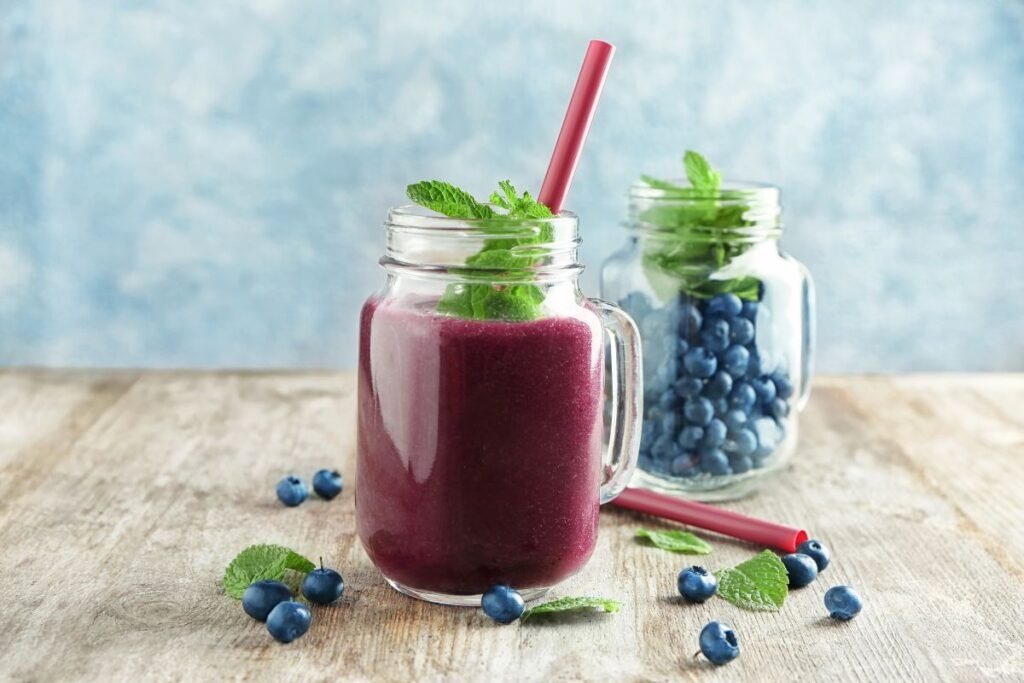
Once we examine the nutritional composition of acai juice, its potential health benefits become much easier to understand. Researchers associate acai consumption with antioxidant protection, cardiovascular support, metabolic regulation, cognitive health, and promising anti-cancer activity.
A Powerful Antioxidant Source and Recovery Aid for Athletes
Acai contains exceptionally high concentrations of phenolic compounds, including anthocyanins, flavonoids, and proanthocyanidins, all of which help reduce oxidative stress and inflammation.
One pilot study investigated whether acai juice could improve sprint performance in athletes. Although researchers did not observe a dramatic performance enhancement. They discovered that six weeks of daily consumption of 100 ml of acai juice increased total antioxidant capacity in blood plasma as much as threefold among young sprinters. These findings highlight the remarkable antioxidant potential of acai berries.
Researchers also recorded lower levels of muscle damage markers such as creatine kinase (CK) and lactate dehydrogenase (LDH), alongside improved lipid profiles characterized by reduced triglyceride and cholesterol levels. These effects may help athletes recover more efficiently from exercise-induced muscle stress.
Cardiovascular Support
Several studies associate acai juice consumption with improved cardiovascular health. Researchers have observed increases in HDL (“good”) cholesterol levels by approximately 7.7%, improved vascular function, reduced LDL (“bad”) cholesterol, and lower inflammatory markers. Some studies also suggest that acai juice consumed after high-fat meals may reduce cardiovascular disease risk by up to 13%. Additional findings indicate possible improvements in blood pressure regulation and circulation. It is conducted from the combined effects of plant sterols and anthocyanins.
Glucose Metabolism and Diabetes Prevention
Acai berries may also offer benefits for people with diabetes or impaired glucose regulation. One 30-day study demonstrated that consuming two 100 g servings of acai daily reduced post-meal glucose levels and total cholesterol in overweight participants. Scientists believe that antioxidant activity, enzyme regulation, and paraoxonase (PON) activity may contribute to healthier glucose metabolism and improved circulation.
Cognitive Function and Brain Health
Compounds found in acai berries appear to support brain function and protect neurons from oxidative damage. One study involving older adults with cognitive impairment reported improvements in memory and reaction time after six weeks of acai juice consumption. Animal studies further support these findings by demonstrating neuroprotective effects, enhanced learning ability, and stimulation of natural brain repair mechanisms.
Potential Role in Cancer Prevention
Early laboratory and animal research involving acai berries and acai extracts has produced promising results in oncology. Cell culture and animal studies suggest that acai extract may inhibit the growth of colorectal, bladder, and other tumor types. A smaller clinical study involving prostate cancer patients found that 71% of participants experienced slower PSA progression after consuming a mixed product containing acai, although researchers consider these findings preliminary. Scientists still need larger human studies and clearer explanations of the underlying biological mechanisms, yet current evidence points toward significant oncological potential.
How to Make an Acai Smoothie from Frozen Puree
Although acai berries do not grow in Lithuania, consumers can still purchase ready-made acai juice, frozen puree, or powdered acai products.
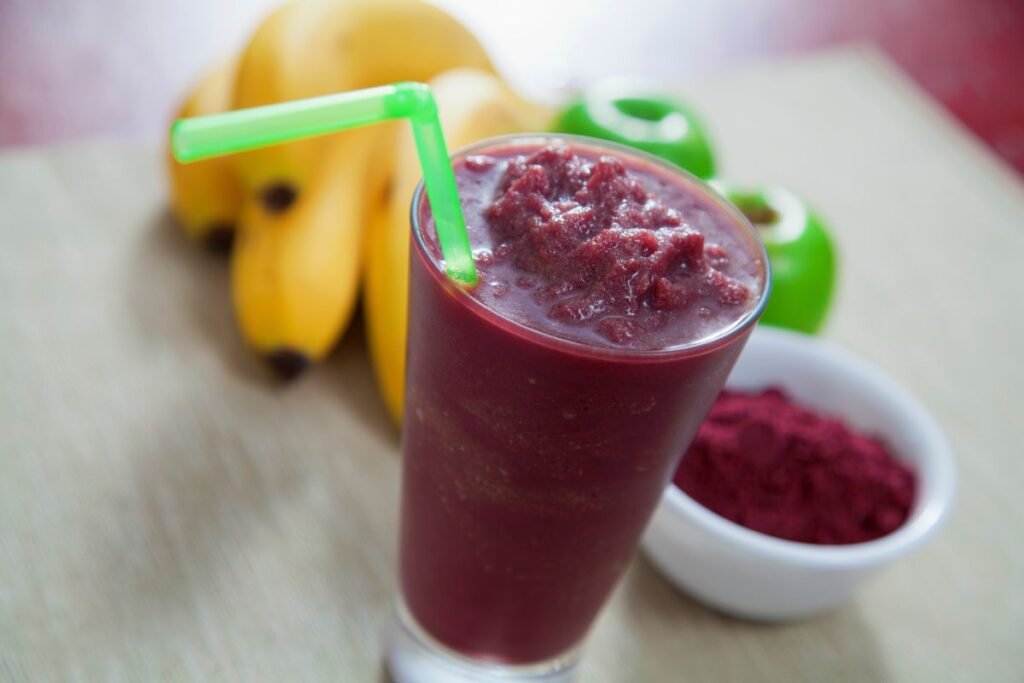
If you enjoy more adventurous flavors, you can prepare a nutritious acai smoothie at home by combining acai puree with other healthy ingredients.
Ingredients:
- 1 packet (100–120 g) frozen unsweetened acai puree
- ½ to 1 frozen banana for creaminess
- ½ to 1 cup (120–240 ml) apple juice, coconut water, or plant-based milk
- Optional: ½ cup frozen berries such as blueberries or raspberries
- Optional: 1 tablespoon chia seeds or flaxseeds for additional nutrition
Preparation:
- Run the acai puree packet briefly under warm water to soften it slightly.
- Place the acai puree, banana, and liquid into a high-speed blender. Add extra berries if desired.
- Blend until smooth and creamy. The texture should resemble a thick smoothie or dense juice. Add more liquid if necessary.
- For a lighter consistency, strain the mixture through a fine sieve, although most people prefer consuming it unstrained.
- Pour into a glass and serve immediately. You can also add ice, fresh berries, seeds, or granola as toppings.
Acai Juice from Powder
Acai powder also provides a convenient way to prepare a nutrient-rich smoothie.
Ingredients:
- 4 tablespoons acai powder
- 1 cup (240 ml) frozen fruit mixture, such as berries and bananas
- ½ cup liquid of your choice
- Optional chia seeds
Preparation:
Place all ingredients into a powerful blender and blend until completely smooth.
Possible Side Effects and Risks of Acai Juice
Although most specialists consider a daily portion of 100–200 ml of acai juice safe and healthy, some people may experience side effects. Possible concerns include:
- Allergic reactions – Individuals sensitive to acai or other palm-family fruits may experience itching, swelling, or skin rashes.
- Medication interactions – Acai may interact with certain medications, especially blood thinners, anti-inflammatory drugs, and cholesterol-lowering treatments. It involves interactions affecting antioxidants or metabolic enzymes.
- Digestive discomfort – The high fiber content may cause bloating, diarrhea, or abdominal cramps, particularly when consumed in large amounts.
- Interference with MRI scans – Some acai supplements or juices contain iron compounds that may interfere with MRI results. Patients should avoid acai before MRI procedures if instructed by their physician.
Sources:
- https://www.webmd.com/diet/acai-berries-and-acai-berry-juice-what-are-the-health-benefits
- https://nutritionistanswers.com/nutritional-benefits-of-acai7037
- https://www.sciencedirect.com/science/article/abs/pii/S0308814615000576
- https://www.sciencedirect.com/science/article/abs/pii/S0021915011001997
- https://www.researchgate.net/publication/
Nuotraukos asociatyvinės © Canva.