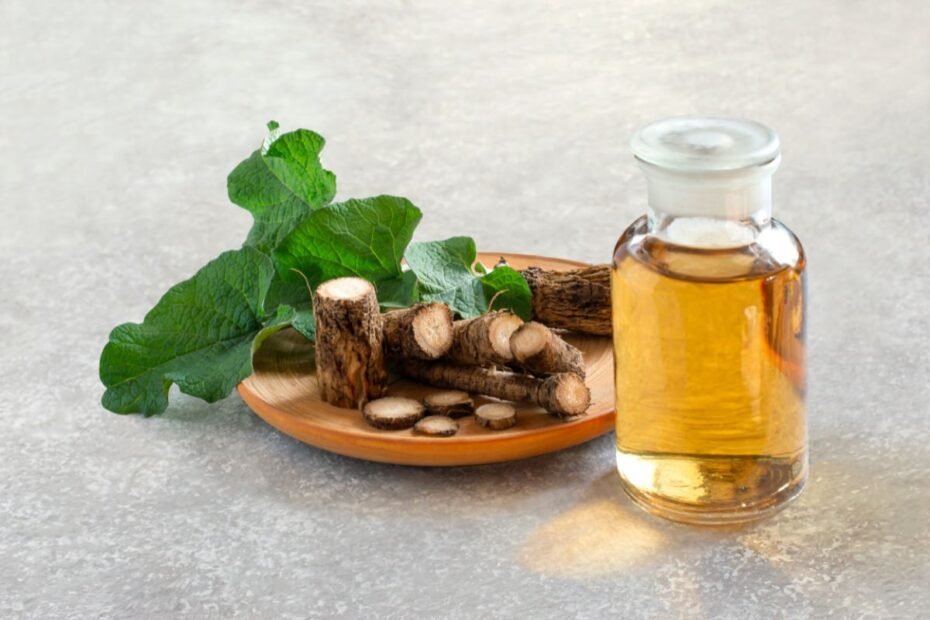
Few people would likely imagine the burdock plant as a suitable raw material for making juice; however, it may come as a surprise, but such a product truly exists. Burdock juice is a liquid extracted from the roots of the burdock plant and, rarely, from its leaves and stems. It has subtle qualities and a range of potential benefits.
Traditional healers have long regarded this plant as an exceptional medicinal herb, and people have rarely questioned its value. Meanwhile, the growing number of scientific studies continues to reinforce long-standing knowledge of this plant’s advantages. Fortunately, burdock grows abundantly in many countries, which makes the raw material for producing this juice readily accessible. Let’s explore how to prepare and consume such a juice and what new insights you can still discover about it.
What Kind of Product Is Burdock Juice?
You may obtain burdock juice by pressing the roots of Arctium lappa, which is a food ingredient in its own right. On occasion, the green parts of the plant—such as leaves and stems—are also used in juice production. Nevertheless, these plant parts attract less attention because they contain higher levels of bitter substances. These compounds are unpleasant to the taste, astringent in the mouth, or, in some cases, potentially harmful.
For this reason, the primary focus is usually placed on juice made from burdock roots. Due to its relatively low risk, fairly agreeable taste, and valuable nutrient content, it is a dependable product.
How to Describe Burdock Juice? Taste, Aroma, and Other Characteristics
This juice remains a relatively uncommon product and has not yet achieved widespread popularity. However, for those who are curious, it is possible to prepare it at home and also find it available commercially. If you are interested in the sensory properties that burdock juice can offer, the following are its main characteristics:
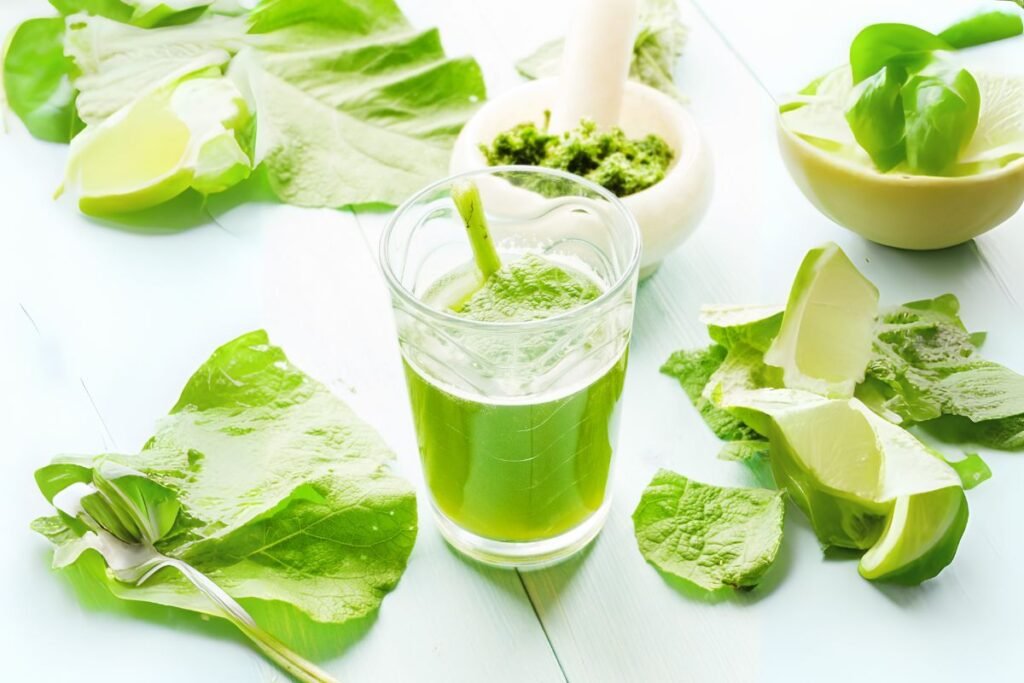
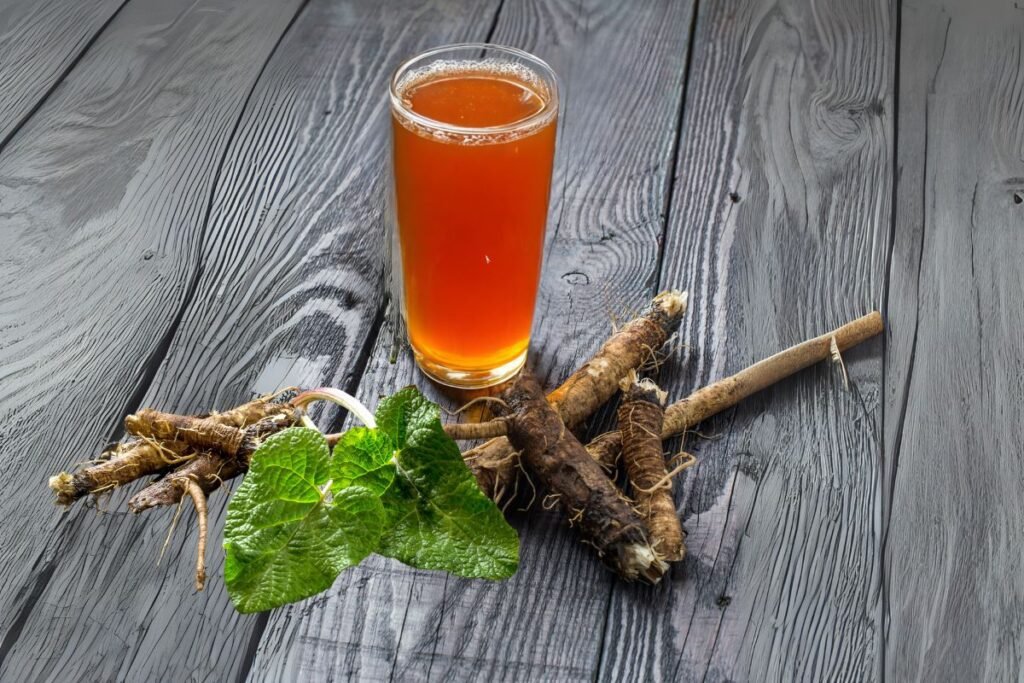
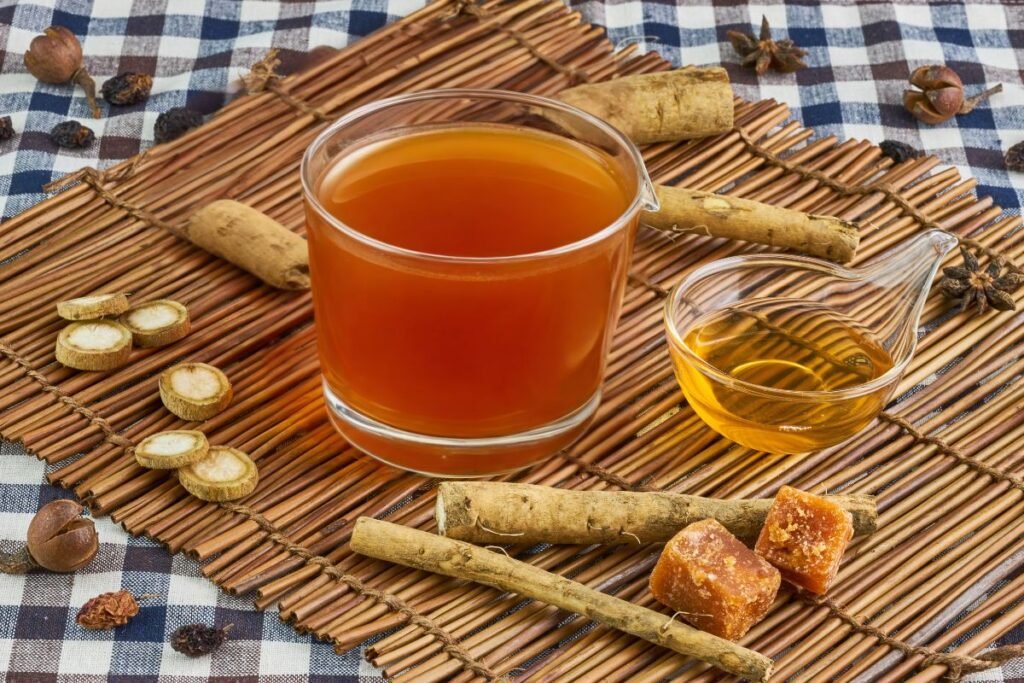
- The color of this juice differs noticeably from commonly consumed fruit juices and may even appear surprising at first glance. It is a beverage that ranges in color from light brown to dark brown. Sometimes it displays a grayish or greenish hue, depending on the degree of oxidation. Burdock juice is typically cloudy because it contains a considerable amount of soluble fiber and organic compounds; filtered juice may appear clearer, yet it rarely becomes completely transparent. Sediment may also be present if the filtration process is incomplete.
- The scent is earthy or root-like, slightly sharp, with a bitter, plant-based note reminiscent of freshly peeled carrots or chicory. Sometimes you may feel a hint of bitterness or even a subtle nutty undertone.
- The taste of burdock juice is mildly bitter, with a faint sweetness derived from inulin. This substance is not as sweet as sugar but provides a delicate, understated sweetness. A lingering bitter aftertaste tends to remain in the mouth. The first sip often reveals a gentle, slightly sweet impression, followed by a more pronounced earthy, root-like flavor. Finally, a noticeable bitterness accompanied by a somewhat oily or faintly salty aftertaste. You may generally tolerate the flavor of the juice by diluting it with water.
- This juice has a thicker consistency than most fruit juices, although it is not as dense as a smoothie. It possesses a slight viscosity, largely due to the presence of inulin and soluble dietary fiber.
Nutritional Value of Burdock Roots
Let’s understand the nutritional composition of 100 grams of burdock roots (see Table 1). Likely, some portion of the fiber, vitamins, minerals, and other components decreases during the juice extraction process. However, precise evaluations require further dedicated scientific studies to provide reliable and detailed data.
| Nutrient | Amount | %NRV* |
| Energy value | 72 kcal ≈ 302 kJ | 3 % |
| Carbohydrates | 17.3 g | 6 % |
| – including dietary fiber | 3.3 g | 13 % |
| – sugars | 2.9 g | – |
| Protein | 1.53 g | 3 % |
| Fat | 0.15 g | 0 % |
| Minerals | ||
| – Calcium | 41 mg | 3 % |
| – Iron | 0.8 mg | 4 % |
| – Magnesium | 38 mg | 9 % |
| – Phosphorus | 51 mg | 7 % |
| – Potassium | 308 mg | 6 % |
| – Sodium | 5 mg | 0 % |
| – Zinc | 0.33 mg | 3 % |
| – Copper | 0.08 mg | 8 % |
| – Manganese | 0.23 mg | 10 % |
| Vitamins | ||
| – Vitamin C | 3.0 mg | 3 % |
| – Vitamin E | 0.38 mg | 2 % |
| – Vitamin K₁ | 1.6 µg | 1 % |
| – B-group vitamins (B1, B2, B3, B5, B6, B9) | small amounts | 1–20 % |
| – Choline | ~12 mg | 2 % |
* %NRV – Percentage of the Nutrient Reference Value for an average adult.
Compounding the potential benefits of burdock juice is the presence of a wide range of biologically active substances, including:
- Inulin – a natural prebiotic that supports digestive health and promotes beneficial gut microbiota.
- Essential oils that exhibit antiseptic properties.
- Phenolic compounds have antioxidant activity.
- Bitter compounds that stimulate the secretion of bile and digestive juices.
- Tannins that demonstrate anti-inflammatory effects.
Burdock Juice and Its Potential Benefits
Practitioners of traditional medicine have long been convinced that burdock tea, juice, tinctures, extracts, and other preparations can perform a wide range of beneficial functions. It includes:
- supporting liver and kidney function,
- improving digestion (particularly in cases of constipation or dysbiosis),
- promoting healthier skin in conditions such as acne, eczema, or psoriasis,
- helping regulate blood sugar levels,
- strengthening the immune system,
- supporting detoxification processes,
- acting as a natural diuretic.
Some of these claims also support scientific research, making it worthwhile to review the news in this field.
Antioxidant and Hepatoprotective Effects
Because burdock roots contain substantial amounts of lignans (such as arctigenin and arctiin), chlorogenic acid, and flavonoids, this product demonstrates strong antioxidant potential. Animal studies have shown that burdock extracts can reduce levels of malondialdehyde (MDA). This marker of lipid peroxidation (simultaneously increasing concentrations of glutathione (GSH) and superoxide dismutase (SOD) in the liver) thereby protects liver tissue from toxin-induced damage. It is reasonable to assume that burdock juice may exert similar protective effects, although further human studies are required to confirm this relationship.
Anti-Inflammatory Effects
Lignans, polysaccharides, and phenolic compounds in burdock inhibit inflammatory cytokines associated with the NF-κB signaling pathway, including TNF-α, IL-1β, IL-6, and inducible nitric oxide synthase (iNOS), thereby reducing inflammatory responses in both in vitro and in vivo models. A clinical study involving patients with hip osteoarthritis demonstrated that individuals who consumed burdock juice for 42 days experienced reductions in C-reactive protein (CRP), interleukin-6 (IL-6), and malondialdehyde (MDA) levels, indicating measurable improvements in both inflammatory and oxidative stress markers.
Antidiabetic and Hypolipidemic Effects
Meta-analyses of animal studies suggest that extracts of common burdock may inhibit glucose absorption, enhance insulin secretion, and reduce levels of total cholesterol (TC), triglycerides (TG), and low-density lipoprotein (LDL), while simultaneously increasing high-density lipoprotein (HDL) concentrations. These effects partly provide phenolic compounds such as chlorogenic acid, which can slow carbohydrate digestion. Inulin contributes to improved glycemic control and supports the balance of intestinal microbiota. Furthermore, fermented burdock extracts have demonstrated particularly strong effects in experimental models, significantly reducing cholesterol and triglyceride levels in hyperlipidemic mice and improving microbial diversity within the gut.
Anticancer and Antiproliferative Potential
Researchers observed that lignans such as arctigenin and arctiin may inhibit cellular proliferation and induce apoptosis in certain cancer cell lines, including MCF-7 and HeLa cells, primarily through mitochondrial signaling pathways. Comprehensive meta-analytical research has suggested that these compounds may help suppress precancerous changes in the liver, potentially reducing the risk of hepatocellular carcinoma through combined antioxidant and anti-inflammatory mechanisms. While these findings are promising, they remain largely experimental and should not be interpreted as clinical treatment evidence.
Neuroprotective Effects
Researchers using animal models of neurodegenerative disease have demonstrated that ethanol-based burdock extracts improve memory performance in behavioral assessments such as the Y-maze and passive avoidance tests, while also reducing lipid peroxidation and protecting neuronal cells from damage. Reviews of the scientific literature emphasize the neuroprotective potential of compounds such as arctigenin and chlorogenic acid and suggest possible relevance for neurological disorders, although scientists still have limited clinical evidence from human studies.
Antimicrobial Properties
Research indicates that burdock extracts demonstrate activity against a variety of pathogenic Gram-positive and Gram-negative bacteria, including Pseudomonas aeruginosa, Staphylococcus aureus, Salmonella typhimurium, Escherichia coli, Listeria monocytogenes, Streptococcus pyogenes, Brucella abortus, and Bacillus anthracis. A notable inhibitory effect has also been observed against certain fungi, including Candida albicans and Aspergillus niger.
Aphrodisiac Effects
Somewhat unexpectedly, animal studies have reported aphrodisiac effects associated with burdock extracts. Experimental animals demonstrated increased sexual activity, elevated serum testosterone levels, reduced latency periods, enhanced libido, and improvements in other reproductive performance indicators. These findings are preliminary and derived from laboratory settings. Therefore, you should interpret this information with caution when considering health applications.
How to Produce Burdock Juice?
This approach gives you full control over the source and quality of the ingredients while allowing you to adapt the final product to your personal preferences, taste, and practical circumstances without adding unnecessary additives.
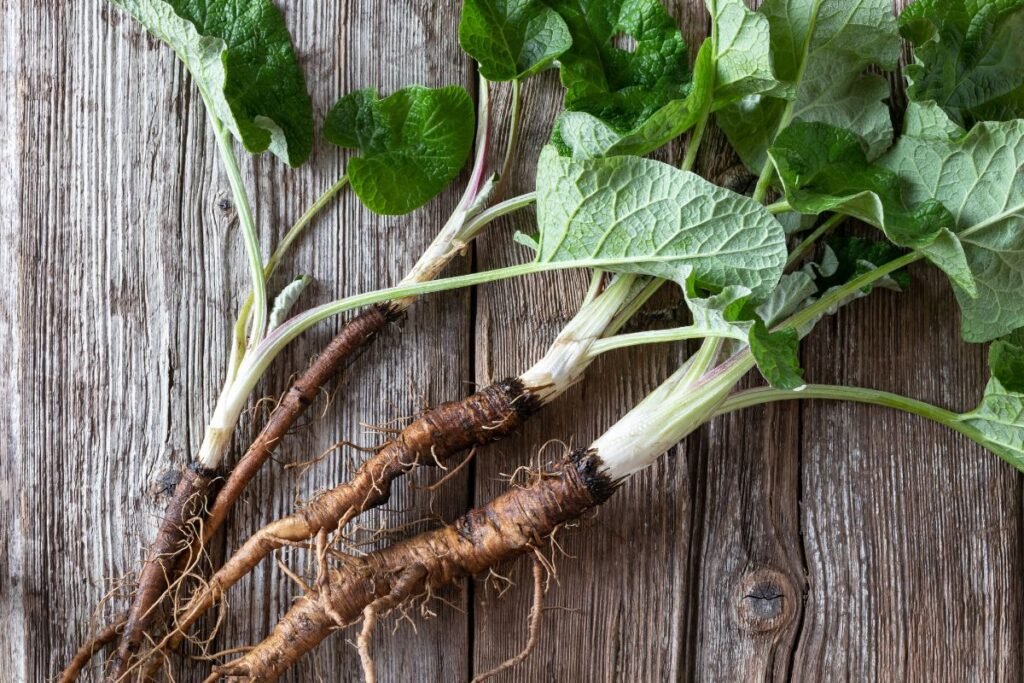
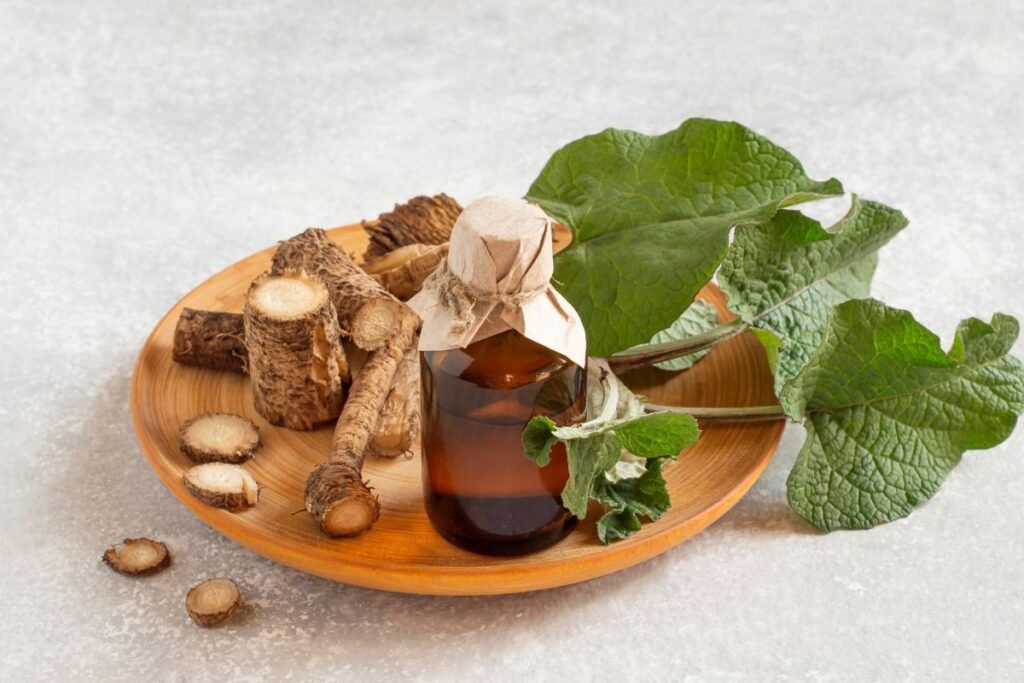
People most commonly press burdock juice from fresh roots that they harvest in the autumn of the plant’s first year of growth (September through November) or in early spring, before the plant begins active vegetation. Using a shovel, you can carefully dig the roots out of the soil; they can reach lengths of approximately 30 to 60 centimeters. Next, wash the roots thoroughly, scrub them with a brush, check them for damage, and slice them into smaller pieces. You can then use these slices to extract juice using any suitable method available to you.
To produce approximately 300 to 400 milliliters of juice, you will typically need about one kilogram of burdock roots, and the entire preparation process (including cleaning and pressing) can take as long as two to three hours.
The most effective method involves using a slow-speed (cold-press) juicer, processing the roots in small batches, and periodically rinsing the mechanism to maintain efficiency.
Alternatively, a kitchen food processor or a powerful blender can be used. In this case, a small amount of water—approximately 100 milliliters per kilogram of roots—should be added. The resulting pulp can then be placed into cheesecloth or a straining bag, and the juice can be extracted manually by squeezing.
Recommended Consumption of Burdock Juice
When discussing the consumption of burdock juice, it is more appropriate to use medicinal-style dosing rather than casual beverage consumption.
Start with one tablespoon (approximately 15 milliliters) of burdock juice in the morning on an empty stomach. You can gradually increase the amount to 50–100 milliliters per day. Follow a consumption cycle for two to four weeks, and then take a break for one to two weeks.
If you find the taste unpleasant, you can mix the juice with apple, carrot, or lemon juice, or add a teaspoon of honey or fresh ginger to make the flavor more palatable.
Potential Side Effects of Burdock Juice
Although burdock juice can offer a variety of potential benefits, it is also important to acknowledge possible adverse reactions. This product may not be suitable for individuals with specific contraindications, underlying medical conditions, or heightened sensitivity, including the following situations:
- Allergic reactions, although relatively uncommon, may occur, particularly in individuals sensitive to plants from the Asteraceae family, such as chamomile, dandelion, or milk thistle.
- Digestive disturbances, including bloating, gas formation (often related to inulin content), diarrhea (especially when you consume larger quantities initially), nausea, and occasionally mild abdominal cramping.
- Excessive diuretic effects, which may reduce electrolyte levels, lead to dehydration. It may contribute to lowered blood pressure, particularly in individuals taking diuretic medications, antihypertensive drugs, or those with heart or kidney disorders.
- Hypoglycemia, or abnormally low blood sugar, may occur because burdock preparations can reduce blood glucose levels. Therefore, be cautious when combining them with antidiabetic medications.
- Risk of toxicity if you collect the raw material from contaminated environments. Burdock accumulates heavy metals from polluted soil, such as industrial areas or roadside locations, and in such cases, the resulting juice may pose risks to the liver, kidneys, or nervous system.
- Potential interactions with medications, including diuretics (which may have enhanced effects), glucose-lowering drugs (with an increased risk of hypoglycemia), and anticoagulant medications, as burdock may exert a mild blood-thinning effect.
Sources:
- https://www.healthline.com/health/burdock-root
- https://health.clevelandclinic.org/burdock-root
- http://bazekon.icm.edu.pl/bazekon/element/bwmeta1.element.ekon-element-000171629722
- https://biointerfaceresearch.com/wp-content/uploads/2021/08/20695837123.28262842.pdf
- https://link.springer.com/article/10.1007/s11094-017-1599-y
- https://www.mdpi.com/1661-3821/2/4/26
- https://pmc.ncbi.nlm.nih.gov/articles/PMC6943639
- https://link.springer.com/article/10.1007/s11094-006-0207-3
- https://applbiolchem.springeropen.com/articles/10.1007/s13765-016-0195-2
Associative photos © Canva.