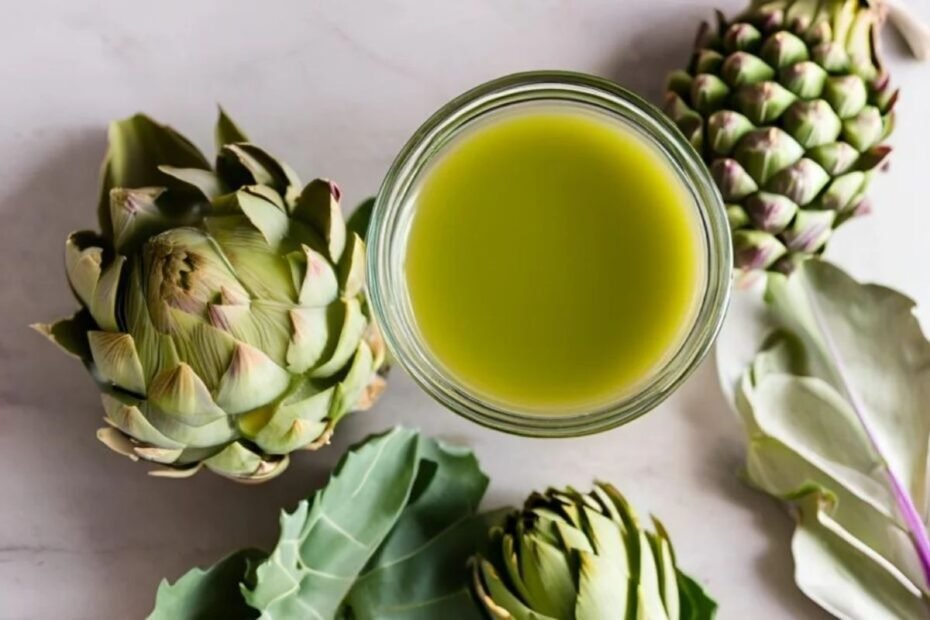
You may instinctively associate artichokes with a dinner plate rather than a glass of juice. However, any hesitation quickly fades once you discover the potential benefits of artichoke juice. While people widely recognize artichokes for their support of digestion and liver health, these qualities represent only part of their value. Rich in unique bioactive compounds, artichoke juice can act as a concentrated health-supporting product, effective even in small amounts such as one or two tablespoons. That said, improper use or excessive intake may lead to unwanted effects, which is why it is important to explore not only the benefits but also the possible risks.
What Is the Globe Artichoke?
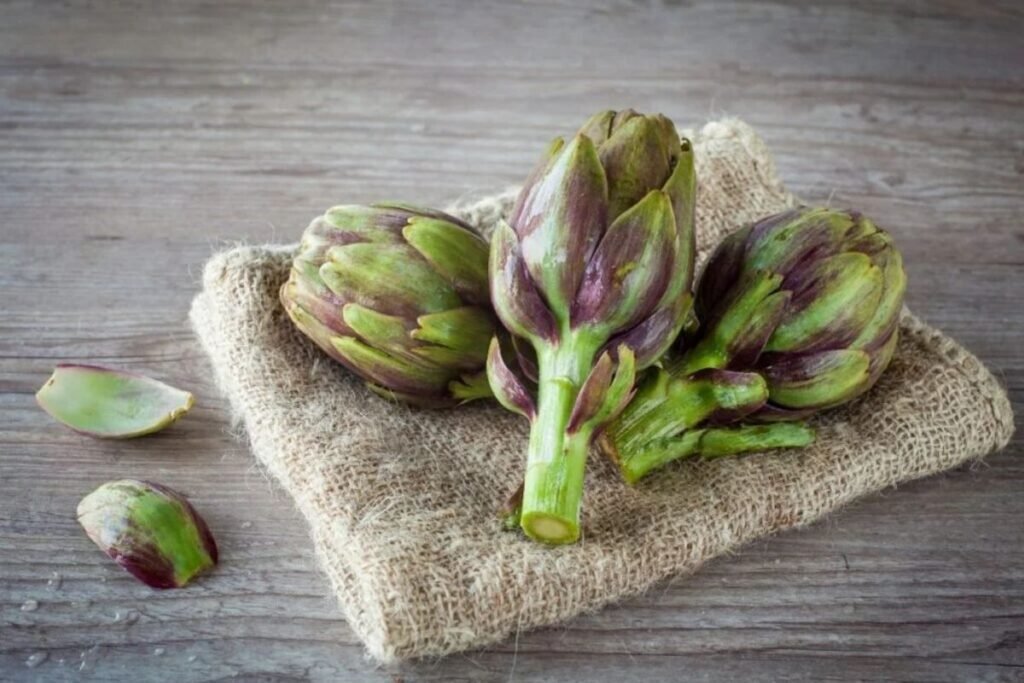
The globe artichoke (Cynara scolymus) is a silvery-green perennial plant belonging to the Asteraceae family, typically growing up to 1–1.5 meters. It features large, deeply lobed leaves and striking tubular flowers that range in color from violet and blue to white. These flower heads resemble those of thistles and burdock but are considerably larger, reaching 8–15 cm in diameter.
The edible portion of the plant consists of immature flower buds covered with protective bracts. In some traditions, artichoke roots are also consumed. While artichoke heads are commonly prepared as vegetables or side dishes, both the heads and leaves can be pressed into nutrient-rich juice.
Artichokes are native to the Mediterranean region, remaining the primary area of cultivation. Historically, they were valued in ancient Roman, Greek, and Egyptian medicine, particularly for treating liver and digestive disorders.
Artichoke Juice: Taste, Aroma, and Appearance
Identifying artichoke juice by taste or aroma alone can be challenging. The juice does not possess a strong or distinctive flavor profile. Instead, it has characteristics of bitterness, occasionally accompanied by mild sweetness or subtle acidity. Its aroma is neutral, reminiscent of fresh leaves, herbs, and gentle earthy or mineral notes.
Freshly pressed artichoke juice typically appears olive-green or khaki in color, while concentrated or heat-processed versions tend to be darker in color.
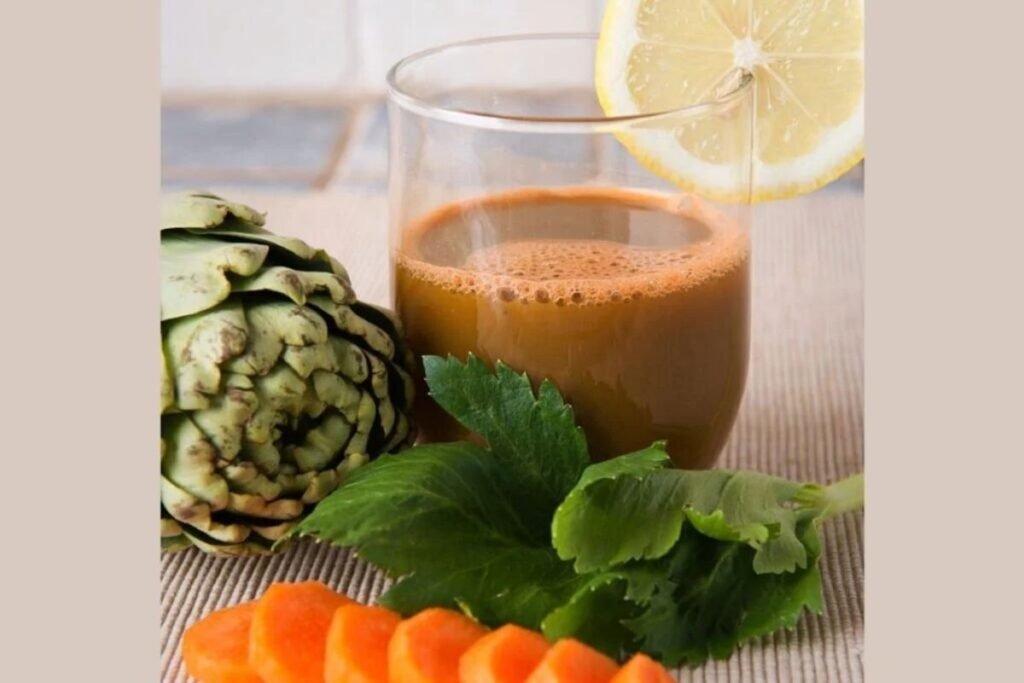
Due to its bitterness and herbal character, people rarely consume artichoke juice for pleasure. Instead, they value it as a functional health beverage, blending it with sweeter juices such as apple, carrot, or lemon to improve palatability.
Nutritional Profile of Artichoke Juice
Artichoke juice is low in calories yet rich in beneficial compounds. A 100 ml serving provides approximately 12–17 kcal, 2–3 g of carbohydrates, and 0.2–0.3 g of protein. Fat content is negligible (<0.1 g), and unfiltered juice may contain small amounts of dietary fiber.
Despite its low energy value, the juice contains significant amounts of minerals: calcium, magnesium, iron, and phosphorus. It is also rich in phenolic compounds, including cynarin, chlorogenic acids, and flavonoids like luteolin and apigenin. You can also find small quantities of B vitamins and provitamin A. Additionally, artichokes contain enzymes and soluble fibers such as inulin, known for their prebiotic properties.
Health Benefits of Artichoke Juice
People praise artichoke juice for its ability to support various bodily functions, particularly liver and digestive health. Its benefits include
Supports Liver Function
Artichokes are known for their hepatoprotective and detoxifying effects. Research suggests that cynarin and flavonoids stimulate bile production and improve fat metabolism, aiding the elimination of toxins. Clinical studies have shown that artichoke extract may reduce liver enzyme levels (ALT and AST), indicating a lower risk of liver damage. Its antioxidant properties further protect liver cells from oxidative stress.
Improves Digestion
Artichoke juice can help relieve digestive discomfort, including bloating and sluggish digestion. By stimulating bile secretion and gastric juice production, it supports the digestion of fats and the absorption of nutrients. Inulin acts as a prebiotic, promoting intestinal bacteria and maintaining a healthy intestinal microbiome.
Helps Lower Cholesterol
Multiple studies indicate that artichoke extract can reduce levels of LDL cholesterol while increasing HDL cholesterol. This effect is attributed to improved lipid metabolism and reduced fat accumulation.
Supports Cardiovascular Health
Thanks to its high antioxidant content, artichoke juice may protect blood vessels from inflammation and oxidative damage. Compounds such as chlorogenic acids and luteolin contribute to vascular protection and may maintain healthy blood pressure.
Anti-Inflammatory Properties
Flavonoids found in artichokes exhibit anti-inflammatory effects, which may be beneficial for individuals with chronic inflammatory conditions such as arthritis or metabolic syndrome.
Strengthens Immune Function
The antioxidant compounds in artichoke juice—including phenolic acids, vitamins, and other bioactive substances—help neutralize free radicals, reduce cellular damage, and support overall immune resilience.
Artichoke Juice: More Like a Remedy Than a Beverage
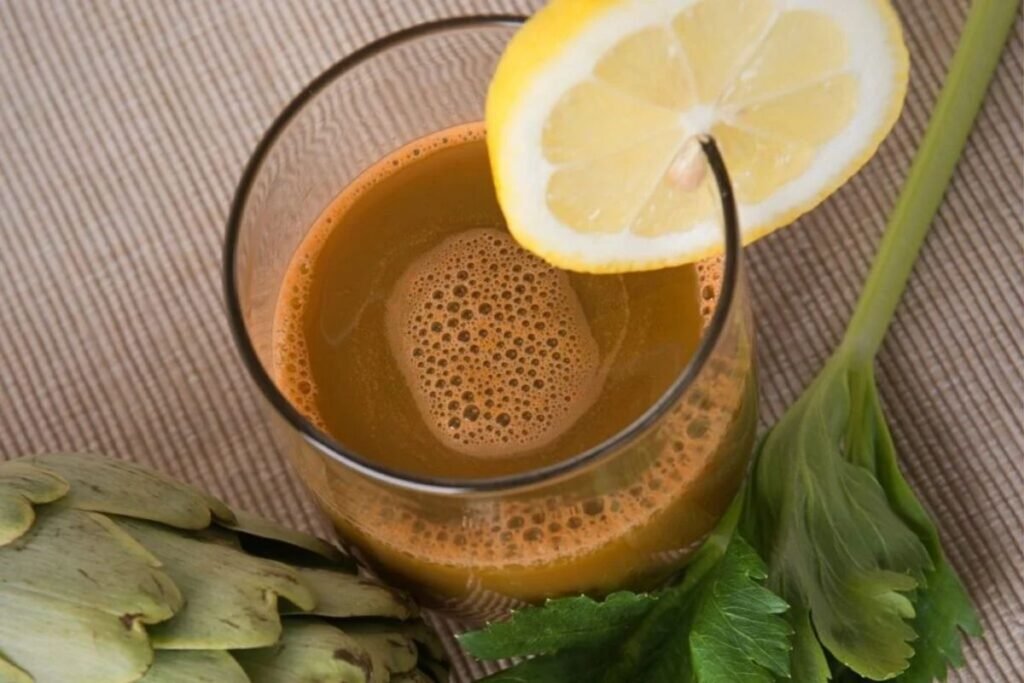
Artichoke juice is more of a functional supplement rather than a hydration drink. You should consume it in small, controlled amounts.
Recommended dosage for adults: 20–50 ml per day, diluted in a glass of water or another beverage. Humans commonly take this supplement before meals to support digestion and liver activity. Typical use involves a course lasting 2–4 weeks.
Commercial products: Often fortified with vitamin C or other additives and generally dosed at 10–15 ml, 1–3 times daily, following the manufacturer’s instructions.
How to Make Fresh Artichoke Juice at Home
Preparing artichoke juice at home ensures maximum bioactive content and complete control over ingredients.
Ingredients (for one glass):
- 3–4 artichoke heads
- A small amount of water (if needed)
Preparation:
- Wash the artichokes thoroughly, remove stems and tough outer leaves, and retain the tender inner parts. Cut in half and optionally remove the fuzzy choke.
- If desired, lightly steam or boil for 5–10 minutes to reduce bitterness (optional).
- Juice using a juicer, or blend and strain through cheesecloth or a fine sieve.
- Dilute with water or mix with apple, carrot, or lemon juice to improve flavor.
- Consume immediately; avoid long-term storage.
Detox Green Artichoke & Vegetable Juice Recipe
This recipe balances the bitterness of artichokes and creates a refreshing detox drink.
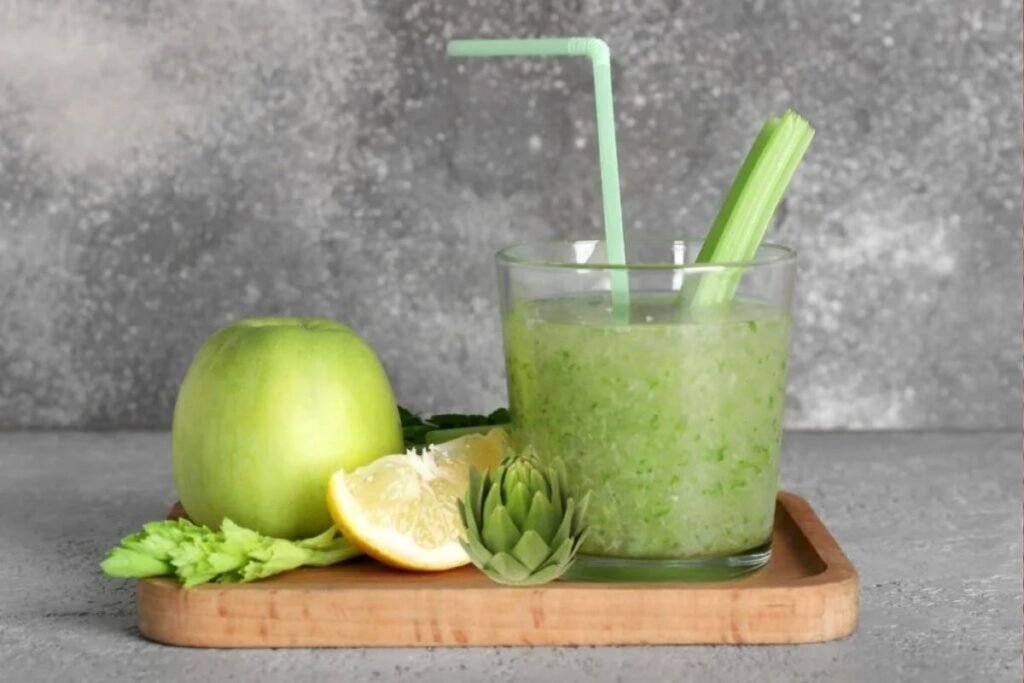
Ingredients:
- 2 globes of fresh artichokes
- 1 green tart apple
- ½ lemon (peeled)
- 1 celery stalk
- 5 cm cut of cucumber
- 1 teaspoon honey (optional)
- 200 ml water (adjust to taste)
Instructions:
- Clean and prepare the artichokes by removing the tough outer parts and chopping them into smaller pieces.
- Chop all remaining ingredients into small pieces.
- Juice or blend and strain.
- Add water and honey if desired, mix well, and drink fresh.
Possible Side Effects and Precautions
Artichoke juice should be consumed in moderation, as excessive intake may cause adverse effects:
- Increased bile production may lead to bloating, diarrhea, cramps, nausea, or stomach discomfort, especially when consumed on an empty stomach.
- Individuals allergic to plants in the Asteraceae family (such as chamomile or wormwood) may experience allergic reactions.
- People with gallstones may experience pain due to stimulation of bile flow.
- Mild blood pressure fluctuations may occur, particularly in those taking antihypertensive medications.
- Individuals with diabetes should monitor blood sugar levels, especially if using glucose-lowering drugs.
- Due to limited safety data, pregnant and breastfeeding women are advised to limit or avoid artichoke juice.
Sources:
Associative photos © Canva.