Stinkhorn juice is certainly not a beverage you would sip on a hot summer day or drink to quench your thirst. What is commonly referred to as “witch’s egg juice” is, in fact, a fermented extract made from the stinkhorn mushroom, traditionally used in folk medicine to address various ailments rather than for refreshment. Preparing it requires patience and ingenuity, yet people widely believe that it is a powerful natural remedy capable of treating countless conditions.
These juices have gained particular attention for their alleged role in cancer treatment, although the scientific community has shown little initiative in researching these claims. Because stinkhorn extracts are highly unusual, you must consume them with care. Let us explore what folks know about stinkhorn juice, how to prepare it, and how to use it safely.
The Common Stinkhorn—A Remarkable Mushroom for Juices and More
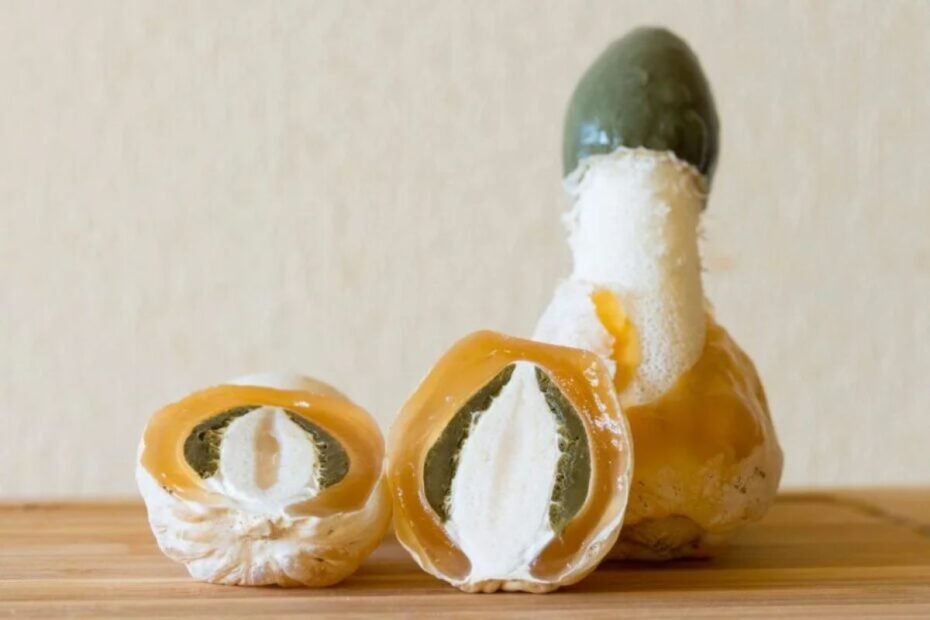
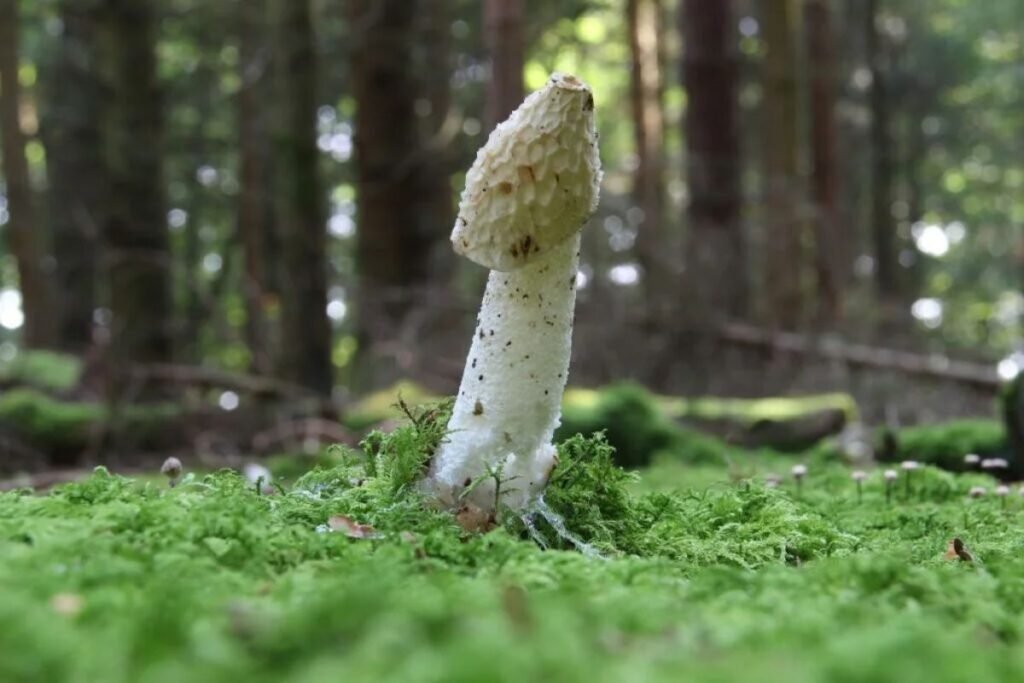
The common stinkhorn mushroom needs little introduction, because foragers and herbal practitioners recognize it for its unmistakable phallic shape and its extremely pungent odor. When fully mature, the mushroom develops a porous white stalk measuring approximately 8–20 cm in height and 1.5–4 cm in thickness, topped with a bell-shaped, dark green, slimy cap that emits a strong odor reminiscent of decaying flesh.
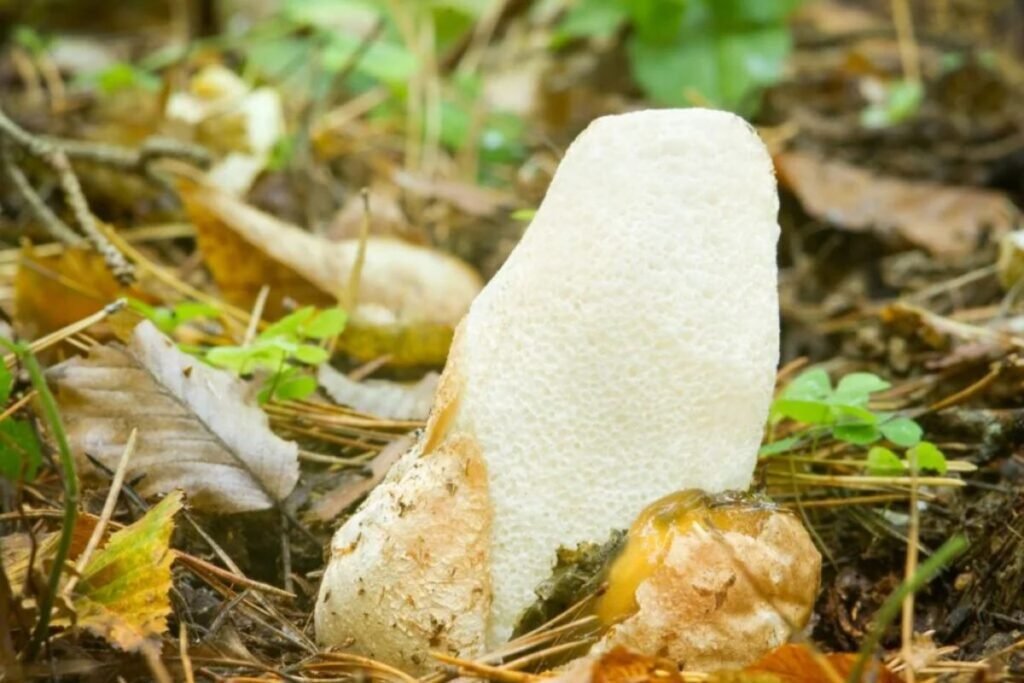
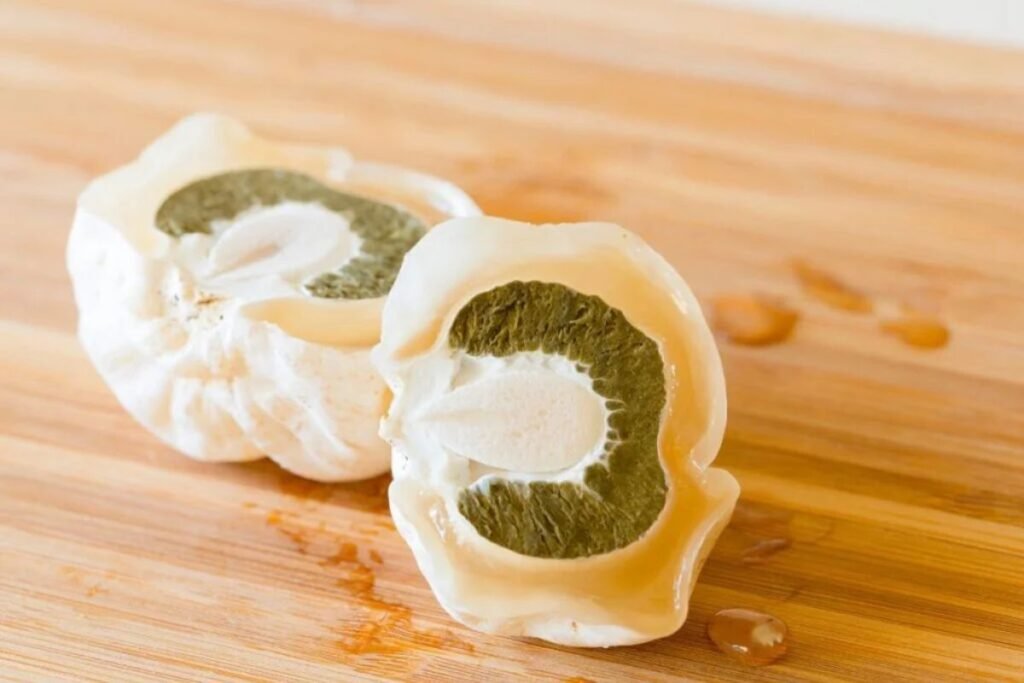
While people generally avoid the mature mushroom due to its odor, the unopened “egg” stage is a delicacy and serves as the primary source of so-called witch’s egg juice. These eggs consist of three layers: an outer skin, a gelatinous middle layer, and an inner core containing the developing fruiting body. In forest environments, people often detect stinkhorns by smell alone or easily identify them as mature specimens by their powerful scent.
The stinkhorn has earned a reputation as a remedy for “a thousand and one ailments” in folk medicine. As a result, a wide range of preparations are made from it—primarily from the egg stage or its gelatinous layer—including tinctures, ointments, and fermented juices.
What Exactly Is Stinkhorn Juice?
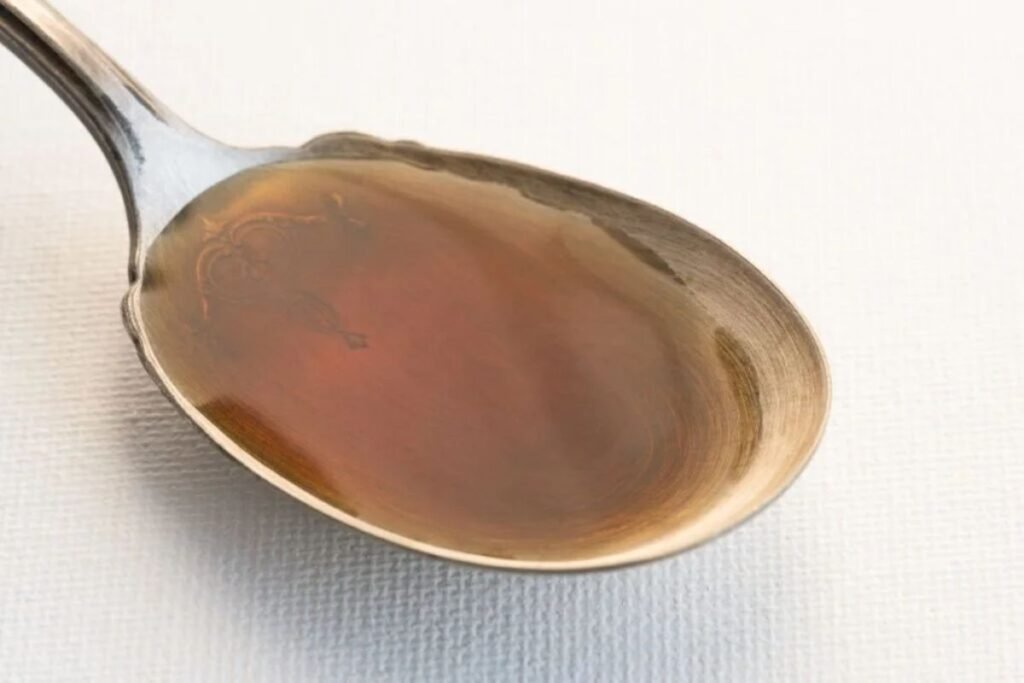
Stinkhorn juice refers to a fermented preparation made using water and, in some cases, alcohol, combined with the gelatinous material found inside the mushroom’s egg stage. Unlike the mature mushroom, this stage does not produce strong volatile compounds, meaning the resulting juice lacks the repulsive odor associated with adult stinkhorns. Instead, it typically has a mild, earthy aroma reminiscent of mushrooms or forest soil.
The flavor is also considerably gentler than one might expect—neither bitter nor sharp. Juices derived from the egg stage are mild, slightly earthy, or nearly neutral in taste. They usually have a light color, ranging from transparent to pale yellow or whitish, as the mushroom has not yet developed pigment-altering compounds.
Due to the gelatinous nature of the raw material, earth butter juice may initially appear slightly viscous. However, once processed—especially when alcohol is added—it becomes more fluid and easier to consume.
What Is The Stinkhorn Juice Made Of?
Stinkhorn mushrooms contain a wide array of biologically active compounds, many of which remain present in their juice. Although comprehensive chemical analyses of stinkhorn juice are limited, scientific literature does document compounds typical of this mushroom and related species. These include:
- Polysaccharides and carbohydrates. The gelatinous layer is rich in polysaccharides, particularly beta-glucans, which are known for their immune-supporting and antioxidant properties. Alpha-glucans also contribute to immune modulation, while chitin provides structural support and functions as a dietary fiber. Other sugars, such as mannose and galactose, are also present.
- Proteins and amino acids. In addition to essential amino acids such as arginine, lysine, leucine, and glutamic acid, stinkhorn mushrooms contain ergothioneine—a potent antioxidant.
- Vitamins and minerals. Earth butter contains vitamins commonly found in mushrooms, including vitamin D₂ and B-complex vitamins (B1, B2, B3, and B5). It may also provide minerals such as zinc, copper, potassium, calcium, magnesium, iron, phosphorus, and selenium.
- Fatty acids and lipids. Like many mushrooms, stinkhorns contain anti-inflammatory fatty acids such as linoleic and oleic acid, as well as ergosterol, a lipid with antioxidant properties.
- Other bioactive compounds. Phenolic compounds, flavonoids, lactones, and phytosterols are also believed to be present. These substances exhibit strong antioxidant activity, protect cells from free radical damage, and possess antibacterial and anti-inflammatory properties.

Potential Health Benefits of Stinkhorn Juice
Stinkhorn juice has long been popular in the Baltic states and among certain Slavic communities, where numerous folk remedies rely on it. However, Western medicine and modern researchers have shown limited interest in studying this mushroom, resulting in a lack of clinical evidence. Existing studies are largely preliminary and focus mainly on chemical composition. Still, these findings suggest that stinkhorn juice may offer several potential health benefits.
Immune System Support
Polysaccharides such as beta-glucans are well known for their ability to stimulate the immune system. They activate immune cells and may enhance the body’s ability to fight infections and viruses. Research on other beta-glucan-rich mushrooms has shown activation of macrophages, natural killer cells, and other immune components. Although stinkhorn itself has not been extensively studied, its polysaccharides may exert similar effects.
Anti-Inflammatory Effects
Certain compounds found in mushrooms, including ergosterol (a provitamin D compound), exhibit anti-inflammatory properties. Studies suggest that ergosterol derivatives can suppress inflammatory cytokines involved in immune and inflammatory responses. Because stinkhorn eggs are rich in ergosterol, their fermented juice may help manage or prevent chronic inflammation.
Antioxidant Properties
Polyphenols, flavonoids, ergosterol, and other phytosterols found in stinkhorns act as antioxidants. They protect cells from oxidative stress, reduce DNA damage, slow premature aging, and may lower the risk of chronic diseases.
Potential Anti-Cancer Properties
Claims regarding stinkhorn juice and cancer treatment are widespread in folk medicine, but scientific evidence remains limited. Still, the presence of beta-glucans along with antioxidant compounds suggests potential anti-cancer activity. These compounds are able to inhibit cancer cell growth and neutralize cancer-promoting free radicals. While clinical confirmation is lacking, these compounds warrant further investigation.
Digestive Health Support
Fermented stinkhorn juice may possess probiotic properties that promote healthy digestion. Unlike many mushrooms, substances from the egg stage are relatively mild and less irritating to the stomach. Additionally, mushroom polysaccharides work as prebiotics, supporting beneficial gut bacteria and contributing to overall intestinal health.
How to Make Stinkhorn Witch’s Egg Juice?
Extracting juice from mushrooms may sound unusual, but fermentation makes it possible to produce a liquid preparation. It means that you should consider it more as a homemade medicinal extract than a conventional beverage.
Ingredients:
- 3–5 stinkhorn mushrooms in the egg stage
- 1 liter of water
- 1 tablespoon of sugar or honey
- A pinch of salt (optional)
- 1 tablespoon of kefir, yogurt whey, or naturally fermented milk
Preparation:
- Gently rinse the fresh stinkhorn eggs in cold water. Carefully cut them in half, remove the gelatinous interior, and place them into a clean glass jar.
- Add water and mix in sugar or honey to provide nourishment for fermentation bacteria.
- Optionally add a pinch of salt to help inhibit unwanted bacterial growth.
- If available, add kefir or yogurt whey to introduce beneficial bacteria and accelerate the fermentation process.
- Stir gently with a wooden spoon until the sweetener dissolves evenly.
- Cover the jar with cloth or gauze and secure it with a rubber band to allow airflow while keeping contaminants out.
- Place the jar in a warm area (20–25°C) and allow it to ferment for 3–5 days, stirring lightly once per day.
- After three days, begin tasting. The juice should be mildly sour but not overly sharp. Extend fermentation if you desire a stronger flavor.
- Once ready, seal the jar and store it in the refrigerator to slow fermentation.
Consume fermented stinkhorn juice in small amounts—several tablespoons per day. Use within 1–2 weeks.
Stinkhorn Juice with Vodka
To make a more potent extract, you can add vodka. Alcohol may dissolve more active compounds, producing a more concentrated preparation. Use 40% vodka or diluted ethanol.
Follow the same recipe, replacing half the water with alcohol (500 ml water + 500 ml alcohol). Due to the alcohol content, fermentation proceeds more slowly, so allow the mixture to sit covered for 1–2 weeks.
After fermentation, strain the liquid through cheesecloth to remove gelatinous residue. Consume sparingly—no more than 1–2 teaspoons per day.
Possible Side Effects of Stinkhorn Juice
Stinkhorn juice is considered a medicinal preparation rather than a beverage, which is why you should use it carefully and limit it. Possible side effects include:
- Gastrointestinal irritation, including nausea, abdominal pain, or diarrhea—especially at high doses or with prolonged use
- Allergic reactions to mushrooms or specific fungal compounds
- Discomfort due to odor or taste, which some may find unpleasant
- Potential hormonal effects, particularly on male hormonal balance or libido, though responses may vary
- Possible interactions with medications such as blood thinners, immunosuppressants, or other potent drugs
- Toxic effects or overdose symptoms (severe digestive distress, vomiting, dizziness, weakness) if consumed in excessive quantities
As with any potent natural remedy, moderation and caution are strongly advised.
Sources:
- https://www.researchgate.net/publication/33728662
- https://pubmed.ncbi.nlm.nih.gov/17895634
- https://www.thebreastonline.com/article/S0960-9776(07)70211-4/abstract
- https://www.sciencedirect.com/science/article/pii/S002364382400882X
Associative photos © Canva.