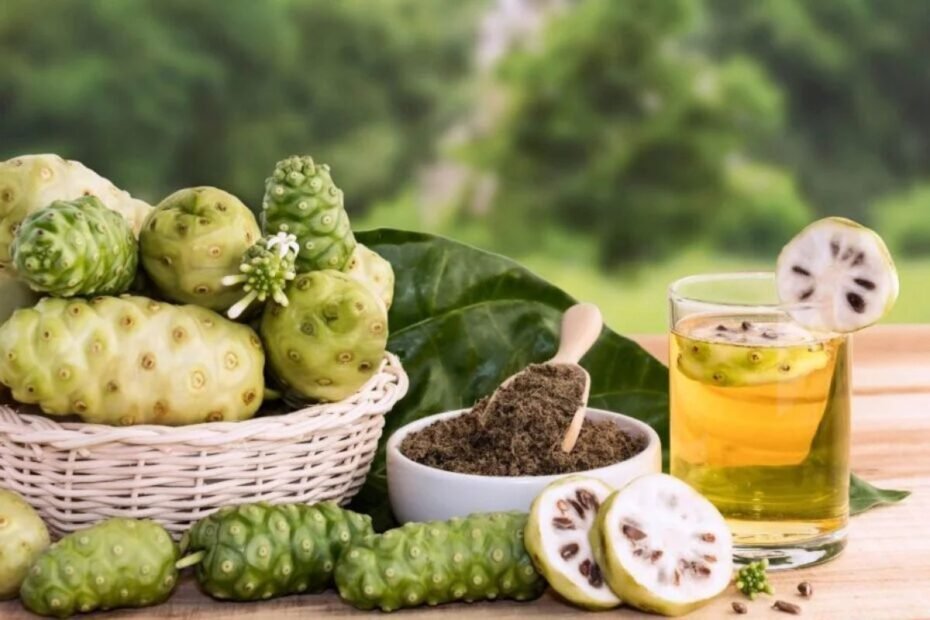
Noni juice is a beverage made from the tropical fruit Morinda citrifolia that tends to polarize opinions. Its sharp, pungent flavor and aroma have earned it a reputation for being unpleasant; still, its health-promoting properties have attracted the attention of scientists and consumers. Extensive research has uncovered a striking range of possible benefits spanning heart health, immunity, liver function, joint mobility, skin condition, and even mental well-being.
At the same time, this exotic fruit is not without drawbacks, and understanding how to use it safely is crucial. Drawing on available scientific evidence and expert recommendations, the sections below outline its composition, benefits, dosage guidelines, and potential risks.
The Plant Behind the Juice
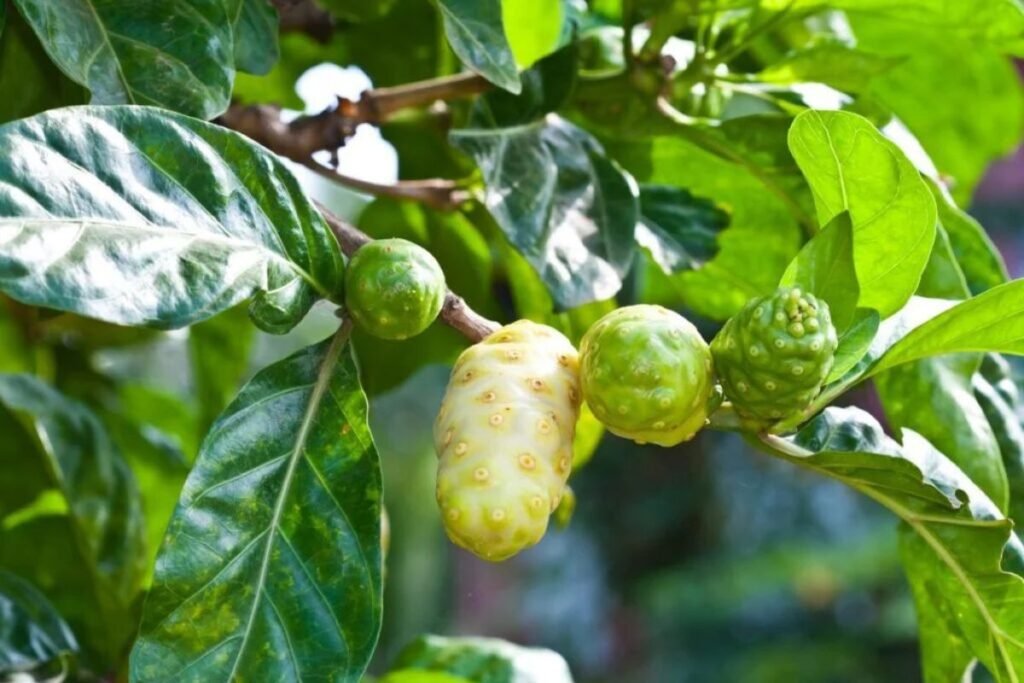
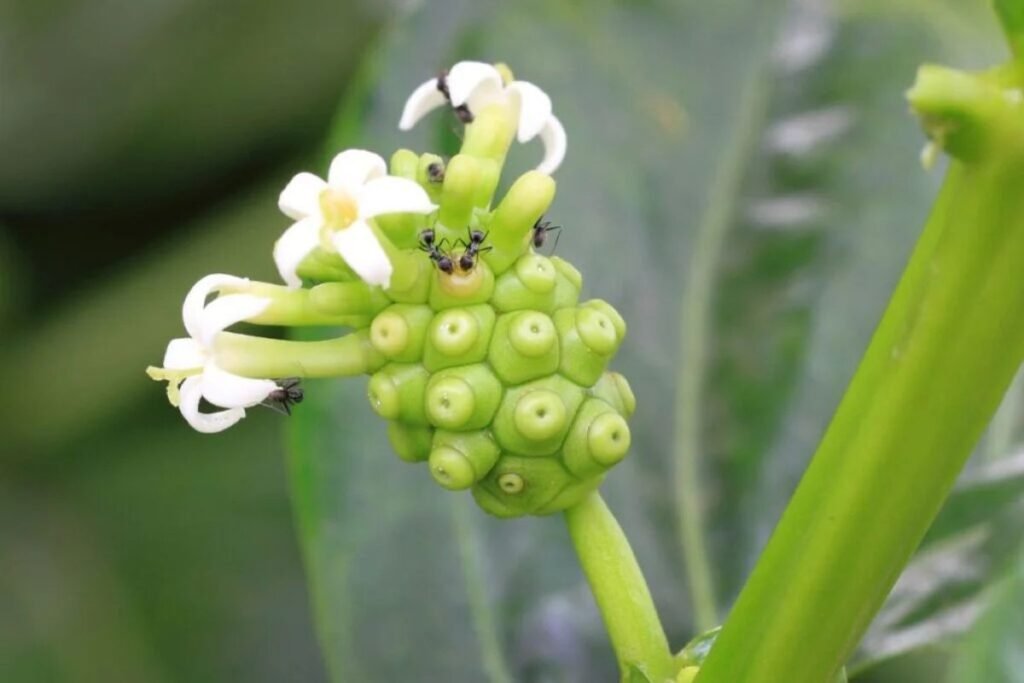
Morinda citrifolia originates from Southeast Asia, India, and the Pacific Islands and belongs to the Rubiaceae family. It grows as a shrub or small tree that may reach six meters in height. Polynesian traditional medicine has been practiced for millennia with this plant material. The plant bears large, glossy leaves and clusters of white flowers that develop into an elongated, compound fruit.
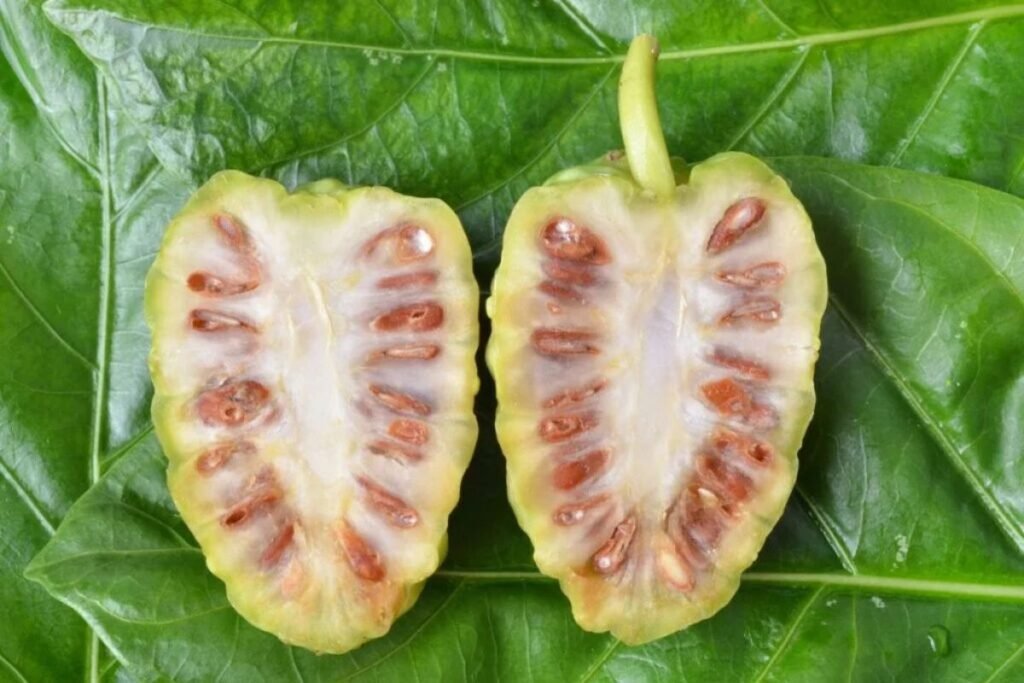
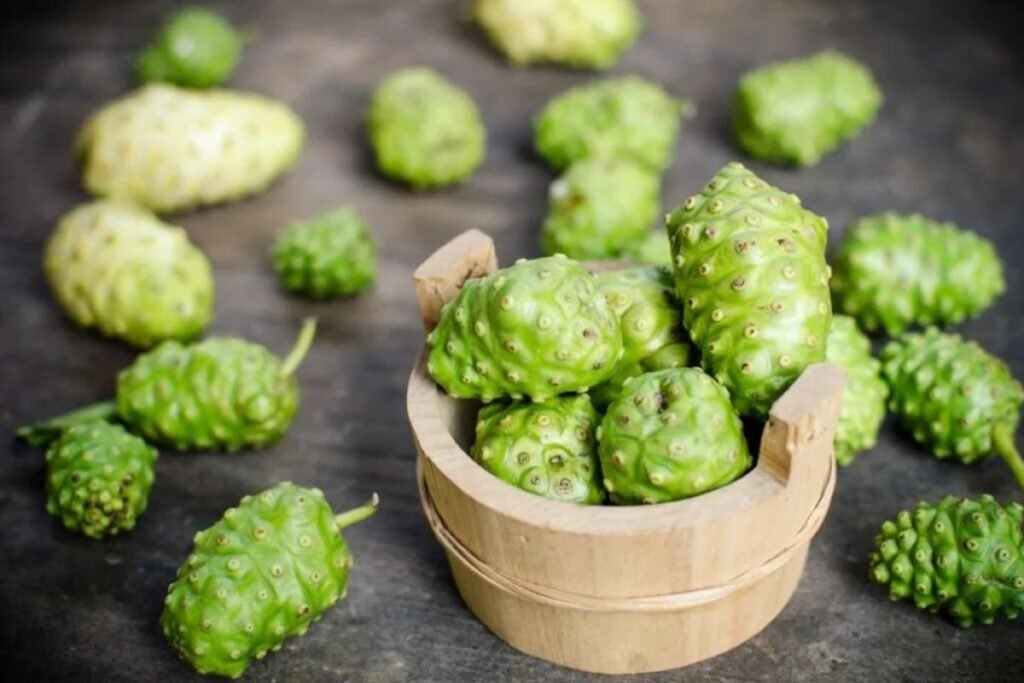
The fruits—commonly known as noni—are visually distinctive, resembling bumpy green cones or knobbly potatoes. Their intense smell and flavor have inspired colorful nicknames, including “vomit fruit’’ and “cheese fruit.’’ People press these fruits to produce juice, and widely sold, including in Europe.
Taste, Aroma, and Physical Appearance of Noni
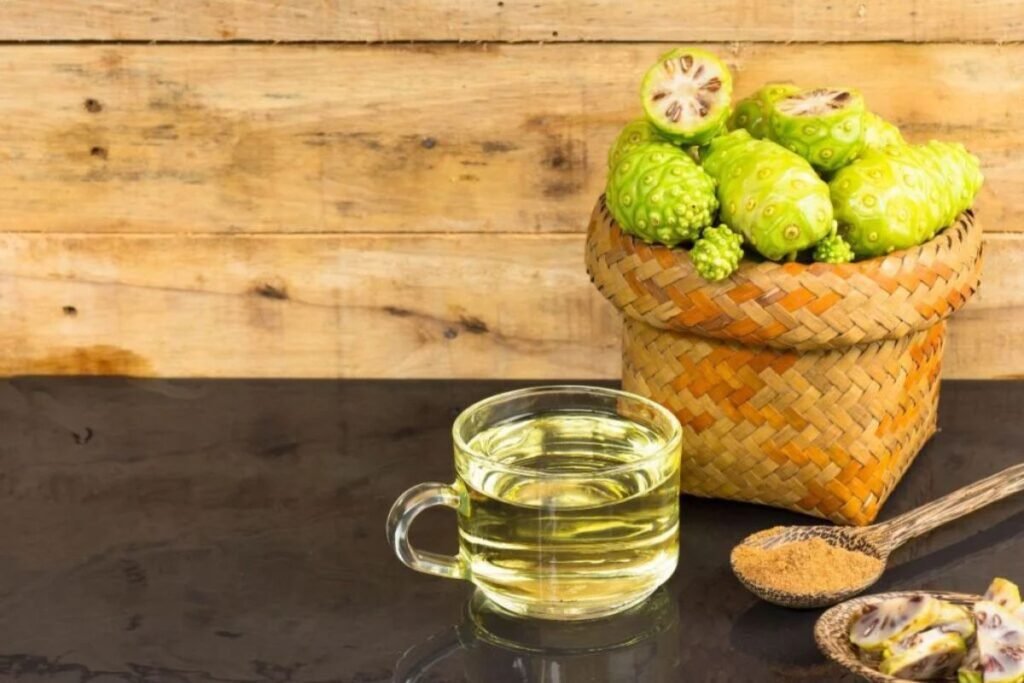
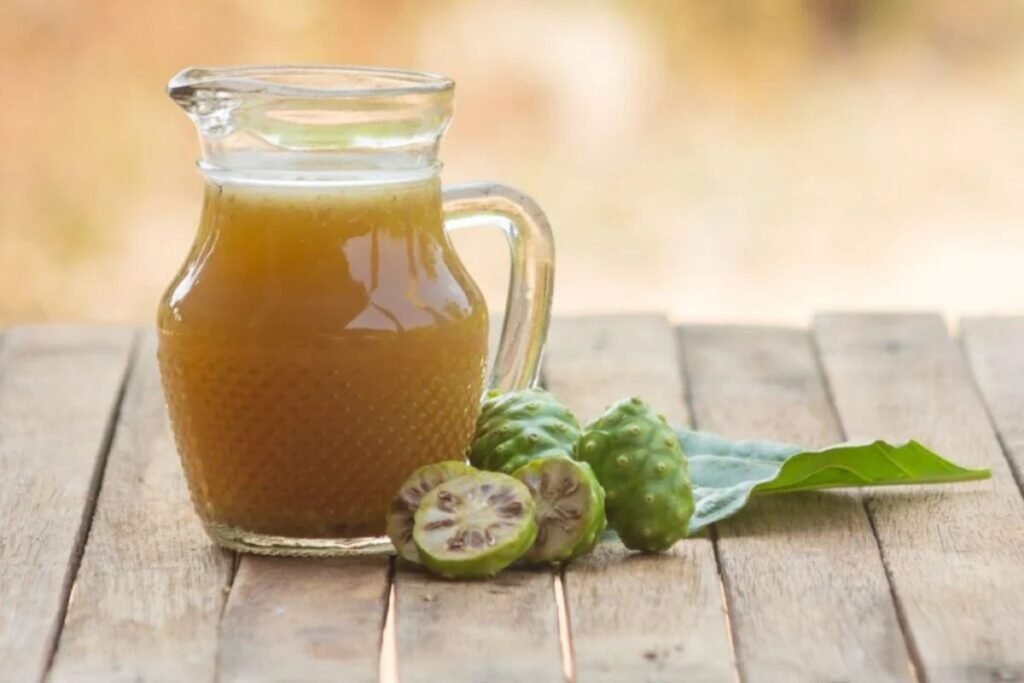
Noni juice is extracted from ripe noni fruit, which has a flavor unlike that of most other fruit beverages. Its taste is typically bitter, sharp, and herbal, sometimes compared to fermented foods. It leaves a persistent aftertaste that many find challenging to mask, even with other drinks.
The smell is no less intense—fermented, earthy, nutty. Noni fruit itself has a specific, unpleasant odor, comparable to flowers or rotten fruit, or is occasionally reminiscent of decay or ammonia. The liquid is most often brownish or yellowish, depending on ripeness and processing, and may appear slightly cloudy.
Because of these sensory qualities, people commonly blend noni juice with sweeter juices or supplements to make it palatable. However, once consumers learn about its potential benefits, the unusual taste may feel less important.
Nutrient Profile and Bioactive Compounds
A 100-ml serving of noni juice contains 47 kcal, mostly from 11 g of carbohydrates (8 g sugar and 3 g fiber). It provides very little protein or fat (<1 g), but is relatively rich in vitamins and minerals, including vitamin C (33% of daily value), biotin and magnesium (both ~17%), folate (6%), and small amounts of vitamin A, vitamin E, potassium, and calcium.
What makes noni particularly interesting are its unique phytochemicals. These include proxeronine, linked to cellular repair, and damnacanthal, a compound investigated for its anti-inflammatory and antiproliferative effects. The juice also has antioxidants, flavonoids, and carotenoids, which neutralize oxidative stress. Other components are various phenolic acids, lignans, anthraquinones, iridoids, alkaloids, and polysaccharides.
Potential Health Benefits of Noni Juice
Although unpleasant to many palates, noni juice is associated with a wide array of positive effects. Research suggests that regular consumption may help:
Support Immune Function
Antioxidants and anti-inflammatory compounds help counter oxidative stress, enhance cellular defense mechanisms, and may improve overall resilience to infection.
Aid Digestive Health
Fiber in noni juice can promote regular bowel movements and support gut microbiota. Preliminary studies suggest a potential role in easing heartburn, reflux, ulcers, and inflammatory bowel conditions. Maintaining normal digestive function and intestinal health is probably helped by the abundant fiber in noni juice.
Assist in Weight Management
Animal studies indicate that noni may reduce fat accumulation, lower triglyceride levels, improve glucose tolerance, and prevent weight gain over time. These experiments were conducted during the 12-week lifetime of rats and mice.
Noni Juice Protects DNA
Scientists have achieved the benefits of noni juice in protecting cells from DNA damage and genetic instability. Studies involving heavy smokers (those who smoke more than 20 cigarettes per day) have shown that consuming noni juice reduces the amount of specific free radicals in the blood of these individuals by approximately 30%. Research on heavy smokers found that noni juice consumption for 30 days reduced markers of oxidative DNA damage by up to 44%, suggesting protective effects against mutation and carcinogenesis.
Support Liver Health
Animal studies show that noni may lower liver enzymes (such as alanine aminotransferase) linked to injury and reduce inflammatory markers, implying hepatoprotective and detoxifying properties.
Noni Juice Reduces Joint Pain and Stiffness
Human studies report significant reductions in pain and improved mobility in individuals with degenerative spinal arthritis or osteoarthritis after several weeks of supplementation. One experiment lasted 30 days, where people with degenerative spinal arthritis consumed 15 ml of noni juice twice a day and reported a 60% reduction in pain. In a similar study, people with osteoarthritis consumed noni juice daily for 90 days and experienced a significant reduction in arthritis pain.
Improve Mood and Mental Well-Being
Early research hints at potential stress-reducing and anxiolytic effects. Although the mechanisms are not fully understood.
Noni Juice Benefits Heart Health
Certain compounds may lower blood pressure, cholesterol, and triglycerides, improving circulation and reducing cardiovascular risk.
Enhance Skin Health
Anti-inflammatory antioxidants may help manage acne, eczema, and signs of aging, while vitamin C supports collagen production and protects against UV damage.
How to Consume Noni Juice?
Because noni juice is not a typical fruit drink, experts recommend proper use:
- Mix with other juices (apple, pineapple, or orange) to mellow the flavor.
- Drink on an empty stomach, ideally in the morning, to improve absorption.
- Stay hydrated, as noni’s detoxifying may increase fluid needs.
Dosage Recommendations
Due to the strong taste and possible side effects, start with small amounts:
- Beginners: 15–30 ml (1–2 tbsp) per day, preferably in the morning.
- Regular users: Up to 30–60 ml daily, split into morning and evening doses.
- Short-term therapeutic use: In some cases, when noni juice is used to improve a specific health condition (e.g., to reduce inflammation or regulate blood pressure), the dose may be increased to 60–90 ml per day. This dose is usually recommended only for a short period (2–3 weeks), after which experts advise returning to the usual dose.
- Children or sensitive individuals: 5–15 ml daily; consult a doctor first.
Possible Side Effects and Precautions of Noni Juice
While generally safe, noni juice can cause problems, especially in high doses or in people with pre-existing conditions:
- Digestive discomfort such as nausea, bloating, or diarrhea.
- High potassium content may be dangerous for those with kidney disorders.
- Medication interactions with blood pressure drugs, anticoagulants, or potassium-regulating medicines.
- Rare cases of liver injury, especially in individuals with existing liver disease.
- Allergic reactions may occur.
- Pregnant and breastfeeding individuals should avoid noni due to insufficient safety data.
Sources:
- https://pmc.ncbi.nlm.nih.gov/articles/PMC5920423
- https://www.webmd.com/diet/health-benefits-noni-juice
- https://www.healthline.com/nutrition/noni-juice
- https://bmcchem.biomedcentral.com/articles/10.1186/1752-153X-3-13
- https://pmc.ncbi.nlm.nih.gov/articles/PMC3967752
- https://www.japsonline.com/admin/php/uploads/626_pdf.pdf
Associative photos © Canva.