
Jujube juice is an increasingly popular beverage made from jujube fruit (Chinese date). These fruits grow on the tree known botanically as Ziziphus jujuba and have been valued for thousands of years in traditional Eastern healing systems. In this article, we will explore the jujube fruit plant, potential juice benefits, possible side effects, consumption, and the distinctive characteristics of its flavor and aroma.
The Jujube Tree: Source of the Fruit
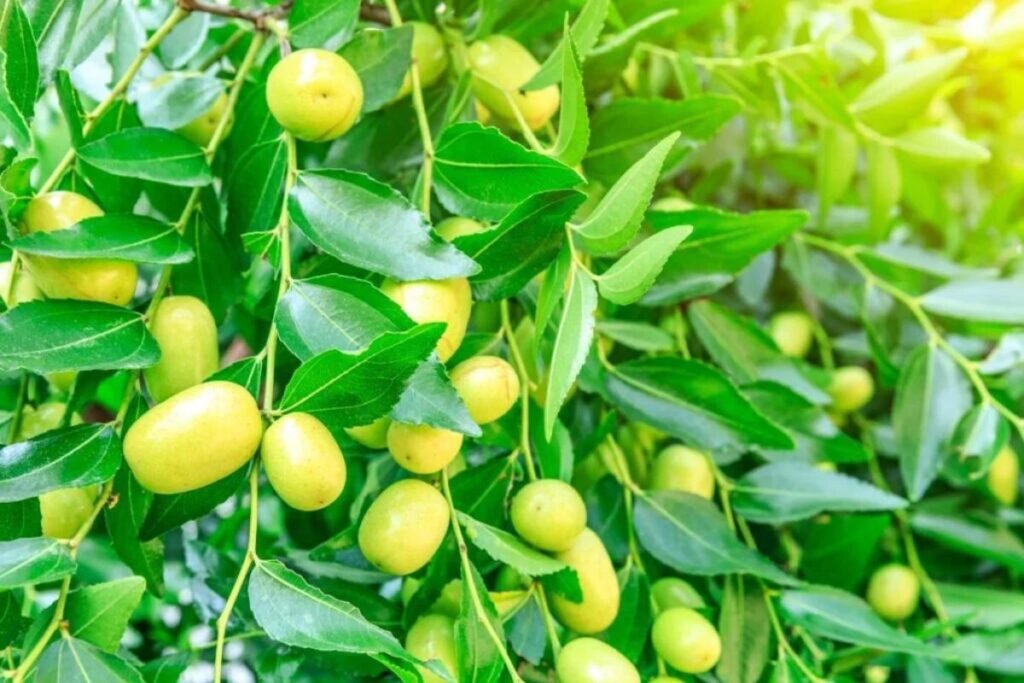
Ziziphus jujuba, a member of the Rhamnaceae family, is a deciduous tree or shrub native to southern and central Asia. It has a long and distinguished history; historical records suggest that it was first cultivated in China 4,000 years ago before gradually spreading to the Middle East, North Africa, and the Mediterranean region.
The tree typically grows to a height of 5-12 meters. Its bark is dark gray to nearly black and often fissured. The leaves are oval to elliptical, glossy, and measure approximately 2-7 centimeters in length. The flowers are small, greenish-yellow, and delicately fragrant. Certain varieties also develop short, sharp thorns.
Jujube Fruit
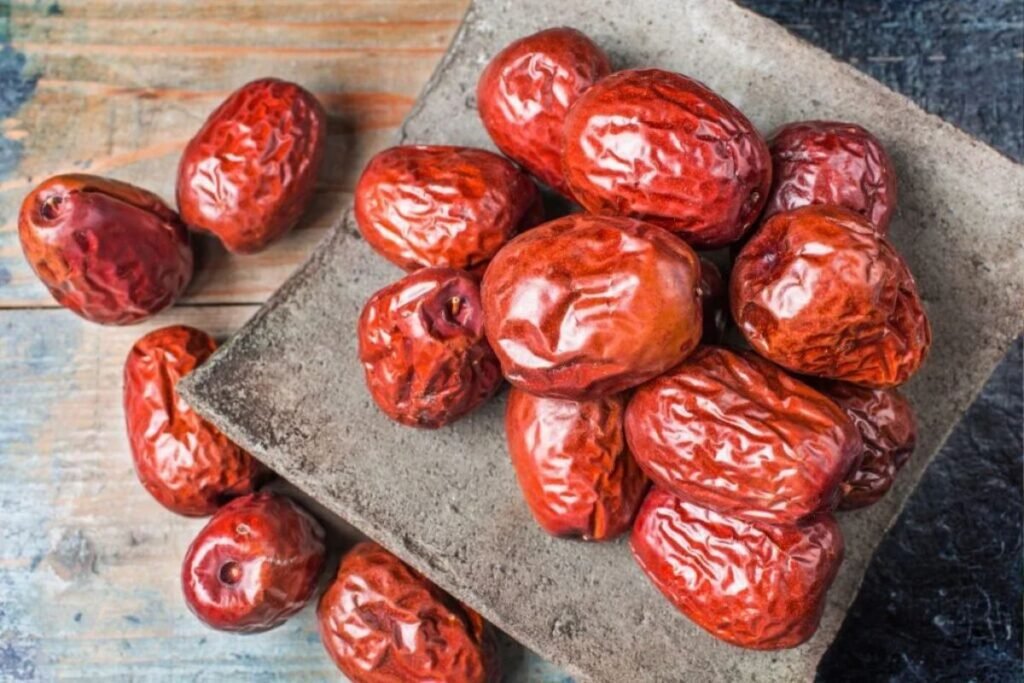
The fruit produced by Ziziphus jujuba is classified as a drupe. Initially green, it gradually ripens to a reddish-brown hue. In size and shape, it resembles a small date or olive, typically measuring between 1.5 and 3 centimeters in length. The fruit progresses through several distinct stages of maturation:
- Green stage: firm in texture, astringent, and slightly bitter.
- White-green stage: softening begins, and bitterness diminishes.
- Brown stage: fully ripened, sweet, and similar in flavor to dates.
- Red stage: dark red in color, very sweet, soft, and juicy.
Flavor and Aroma Profile
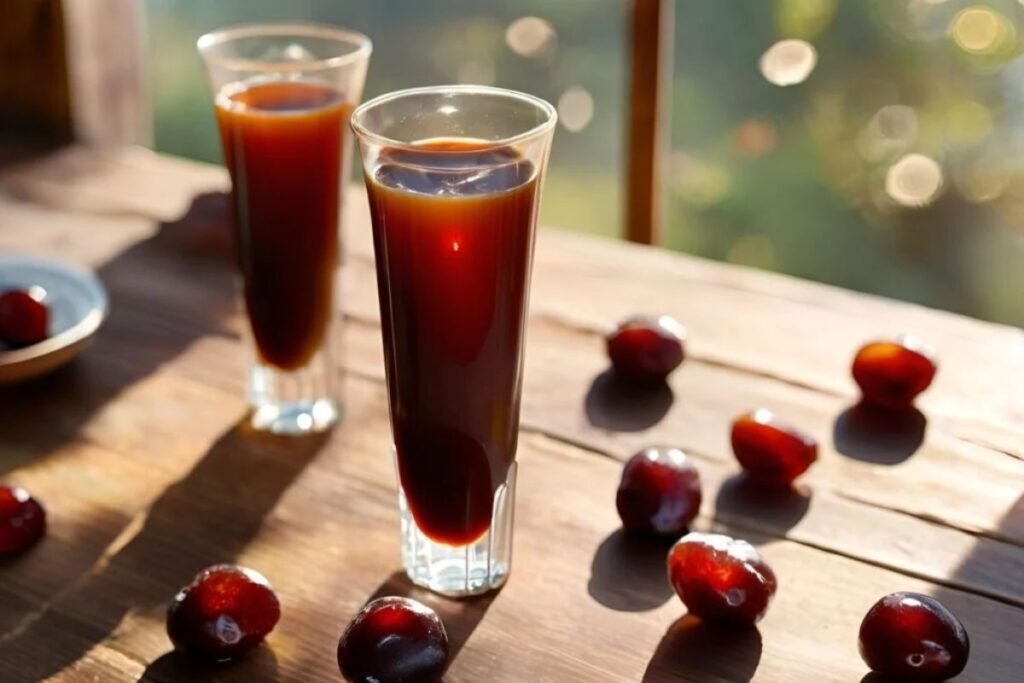
Jujube juice possesses a layered and distinctive taste. Its primary note is sweetness reminiscent of dates and honey, complemented by subtle acidity and fruity nuances. You may also detect a mild earthiness with faint nutty undertones, followed by a lingering sweetness on the palate. The aroma is gentle and pleasing, marked by hints of dried dates and delicate floral notes.
In terms of texture, jujube juice has a moderately thick consistency. It is more viscous than apple juice yet thinner than date syrup. Depending on the production method, fine fruit particles may remain suspended in the liquid.
Health Benefits of Jujube Juice in Eastern Medicine
People widely regard jujube juice as a natural treasure due to its broad spectrum of beneficial properties. People have cultivated this fruit in warm climates and have employed it for thousands of years in traditional Eastern medicine. Also, people increasingly appreciate jujube in Western countries for its unique nutritional composition. Jujube juice exerts multifaceted effects on the body because of its richness in vitamins, minerals, and bioactive compounds. From immune support to improvements in nervous system function, its therapeutic range is notably diverse.
Modern scientific investigations continue to uncover new advantages associated with jujube fruit and its juice, reinforcing long-standing traditional knowledge. Let us examine the potential health benefits closely associated with regular consumption. Also, why is it worthwhile to incorporate this beverage into a balanced diet?
- Immune system support: The high concentration of vitamin C in jujube juice strengthens immune defenses. Consistent intake may help reduce both the likelihood and duration of common colds.
- Antioxidant activity: Jujube juice contains flavonoids and phenolic compounds that function as antioxidants, neutralizing free radicals and helping to protect cells from oxidative stress.
- Improved sleep quality: Traditional Chinese medicine used jujube fruit to address insomnia. Research indicates that the saponins and flavonoids present in the juice may exert a calming influence on the central nervous system, thereby supporting healthier sleep patterns.
- Digestive support: Owing to its fiber content and natural sugars, jujube juice may promote healthy digestion and help prevent constipation.
- Anti-inflammatory properties: Bioactive compounds found in the juice exhibit anti-inflammatory effects that may help alleviate inflammation-related symptoms.
- Cardiovascular support: With its potassium content and antioxidant profile, jujube juice may regulate blood pressure and promote overall cardiovascular health.
- Energy enhancement: Naturally occurring sugars provide an immediate source of energy, while complex carbohydrates contribute to sustained vitality.
Nutritional Value of Jujube Juice
The following table outlines the approximate nutritional composition of jujube juice per 100 grams.
| Nutrient | Amount | % Recommended Daily Intake |
| Calories | 48–54 kcal | 2–3% |
| Carbohydrates | 12–15 g | 4–5% |
| Sugars | 10–12 g | – |
| Fiber | 0.3–0.5 g | 1–2% |
| Protein | 0.7–1.0 g | 1–2% |
| Fat | 0.1–0.2 g | <1% |
| Vitamin C | 40–70 mg | 44–78% |
| Vitamin A | 20–40 IU | 1–2% |
| Thiamin (B1) | 0.02–0.04 mg | 2–3% |
| Riboflavin (B2) | 0.03–0.05 mg | 2–4% |
| Niacin (B3) | 0.4–0.7 mg | 3–4% |
| Vitamin B6 | 0.07–0.1 mg | 4–6% |
| Folate | 2–4 μg | 1% |
| Potassium | 150–250 mg | 3–5% |
| Calcium | 10–20 mg | 1–2% |
| Magnesium | 5–10 mg | 1–3% |
| Phosphorus | 15–30 mg | 2–3% |
| Iron | 0.2–0.5 mg | 1–3% |
| Zinc | 0.05–0.1 mg | <1% |
| Manganese | 0.05–0.1 mg | 2–5% |
| Flavonoids | Present | – |
| Saponins | Present | – |
| Alkaloids | Present | – |
| Polyphenols | Present | – |
- Values may vary slightly depending on the cultivar, cultivation conditions, and processing method.
- Natural jujube juice contains no added sugars; all sugars are intrinsic to the fruit itself.
- The particularly high vitamin C content is considered one of its principal advantages.
- Although phytochemical concentrations are not standardized, these compounds are believed to account for many of the juice’s beneficial properties.
Recommendations for Consumption
To derive maximum benefit from jujube juice, appropriate dosage and timing are important considerations. Because it is a concentrated product, moderation is essential.
Recommended daily intake:
- Adults: 30–60 ml per day.
- Adolescents over 12 years: 15–30 ml per day.
- Children under 12 years: not recommended.
You may consume jujube juice in several ways:
- Undiluted, one to two tablespoons once or twice daily.
- Diluted with water or another beverage.
- Blended into smoothies alongside other juices or plant-based drinks.
- Incorporated into culinary preparations, such as salad dressings or sauces.
Experts recommend consuming this juice in the morning to support energy levels, in the evening approximately one hour before bedtime to promote restful sleep, or after physical activity to aid recovery.
Purchasing and Storage
You can find jujube juice in specialty health food stores, Asian grocery shops, and online retailers. Store unopened bottles in a cool, dark place. Once opened, the juice must be refrigerated. The shelf life of unopened juice can extend up to 12 months, while opened juice is best consumed within one to two weeks.
When purchasing, pay attention to quality. The color should be deep ruby or dark red with a uniform texture and without sediment. Packaging in dark glass bottles is preferable to protect the contents from light exposure. The ingredient list should indicate only jujube fruit, without added sugars or preservatives.
Preparing Homemade Jujube Juice
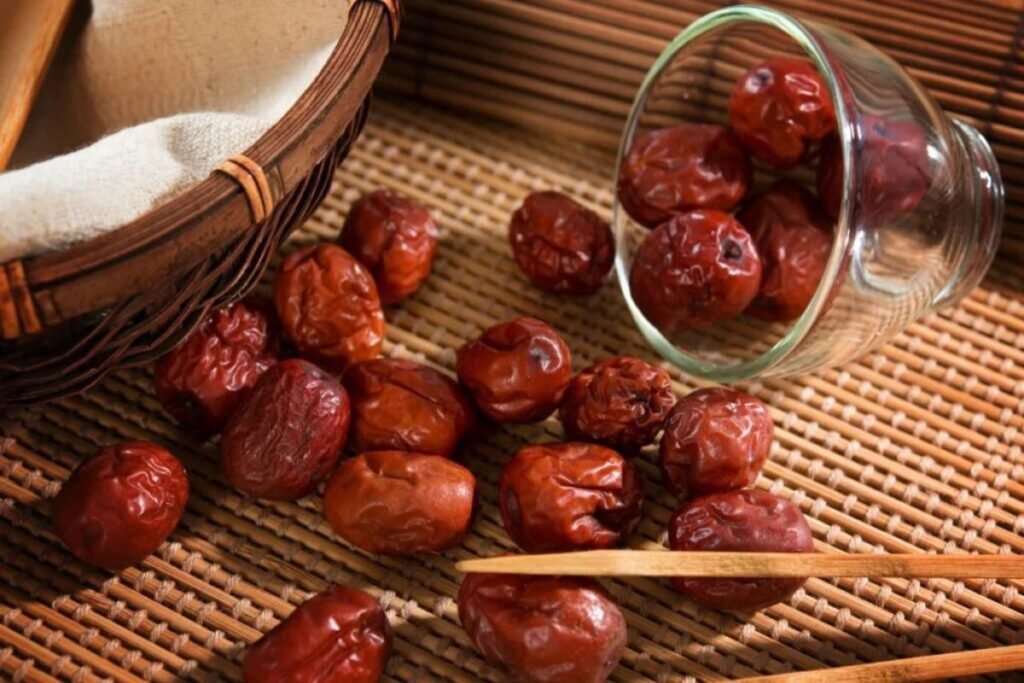
Dried jujube fruits are widely available, making it possible to prepare fresh juice at home.
Ingredients:
- 500 g dried jujube fruits (or fresh fruit, if available).
- 1 liter of water (not required when using fresh fruit).
- Lemon juice to taste (optional).
- Honey to taste (optional).
Preparation:
- If using fresh fruit, wash thoroughly, remove the pits, cut into small pieces, and extract the juice using a juicer.
- If using dried fruit, soak overnight in water, then simmer gently for 30 to 45 minutes. Strain the mixture through a sieve and dilute to the desired consistency. You may add lemon juice for brightness and honey for additional sweetness if desired.
- Homemade juice should be stored in sterilized glass containers in the refrigerator and consumed within one week. It may also be frozen for up to three months, preferably in ice cube trays for convenience.
Possible Side Effects and Precautions
Although jujube juice is generally considered safe for most individuals, certain side effects may occur:
- Allergic reactions, though rare, are possible.
- Diarrhea may occur when consumed in excessive quantities.
- Hypoglycemia may develop, particularly in individuals taking antidiabetic medication, as jujube juice may enhance blood sugar–lowering effects.
- Drowsiness may arise due to its calming properties.
Jujube juice may interact with certain medications. Individuals taking diabetes medications, sedatives, or immunosuppressive drugs should exercise caution and consult a healthcare professional before consumption.
You should avoid consumption or limited in the following cases:
- Pregnancy and breastfeeding are not well-studied due to insufficient research.
- Before scheduled surgery, discontinuation is recommended at least two weeks beforehand.
- Autoimmune conditions (unless approved by a physician).
- Individuals with low blood sugar levels.
Conclusion
Jujube juice is not only flavorful but also potentially beneficial, and its distinctive nutritional profile may make it a valuable addition to a balanced diet. From strengthening immune defenses to supporting improved sleep quality, it offers a wide range of prospective health advantages. As with any concentrated food product or supplement, moderation is essential. Individuals with medical conditions should seek professional guidance before incorporating it into their routine.
The centuries-long tradition of cultivating jujube fruit testifies to its importance in human health and well-being. Contemporary scientific inquiry continues to affirm what traditional medicine recognized long ago: jujube fruit and its juice represent a remarkable natural resource worthy of discovery and thoughtful inclusion in modern dietary practices.
Sources:
- https://www.healthline.com/nutrition/jujube
- https://www.sciencedirect.com/science/article/abs/pii/S0308814625031024
- https://www.mdpi.com/2311-5637/8/2/54
- https://www.mdpi.com/1420-3049/29/14/3437
- https://www.webmd.com/diet/are-there-health-benefits-of-jujube-fruit
Associative photos © Canva.