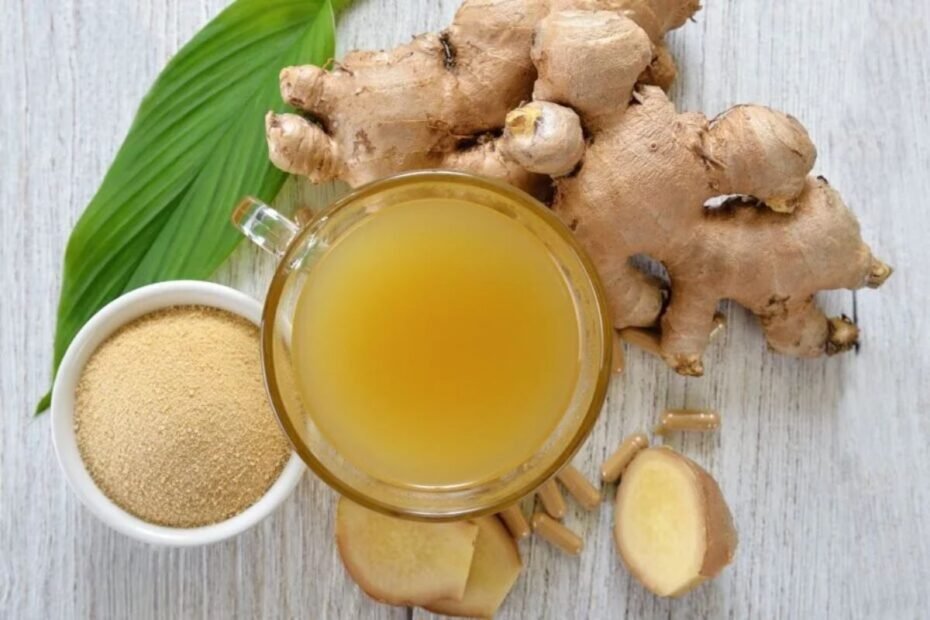
Ginger root evokes a wide range of associations. For some, it is an essential seasoning of Asian cuisine and a fragrant spice; for others, a natural remedy believed to support the immune system; and for yet others, a newly discovered indoor, ornamental, and edible plant. Although people are still exploring the nuances of growing ginger in other countries, the root itself has already secured a firm place in modern food culture. It is also worth noting that ginger juice has unique qualities: people value it not only for easing various ailments but also for adding a distinctive character to everyday beverages. For this reason, we turn our attention to the properties, benefits, and untapped potential of ginger juice.
Ginger Biology and an Unrivaled Ancient Heritage
Nearly everyone can recognize ginger root—more precisely, its rhizome—but far fewer people know what the plant itself looks like. The ginger most commonly sold in stores as a vegetable or spice is true ginger (Zingiber officinale), a member of the ginger family (Zingiberaceae). This perennial herb can grow up to 1 meter tall. It features narrow, elongated, or lance-shaped leaves measuring 15–30 cm in length. Ginger produces an impressive inflorescence: pale yellow flowers edged with violet tones, borne on a separate flowering stalk.
Ginger originated in Asia and has been cultivated in countries such as India, China, Thailand, and Indonesia. In these regions, it has been regarded as one of the most valuable spices for approximately 2,500 years. Ginger ‘moved’ to Europe as early as ancient Greek and Roman times, where it was already prized for both culinary and medicinal purposes.

What Does Ginger Juice Taste Like?
For those curious about the sensory profile of ginger juice, its flavor is unmistakable and impossible to confuse with anything else. It delivers a sharp, intensely pungent, and almost fiery sensation that creates a warming effect. Subtle bitterness intertwines with a faint, natural sweetness, resulting in a complex and stimulating taste.
The aroma of ginger juice is equally distinctive. While it retains the strong, spicy, slightly citrus-like scent of fresh ginger, it also reveals warm, earthy, and aromatic notes characteristic of freshly harvested roots. At first glance, the fragrance may seem deceptively mild; however, inhaling it more deeply often produces a tingling, invigorating sensation that awakens the senses.
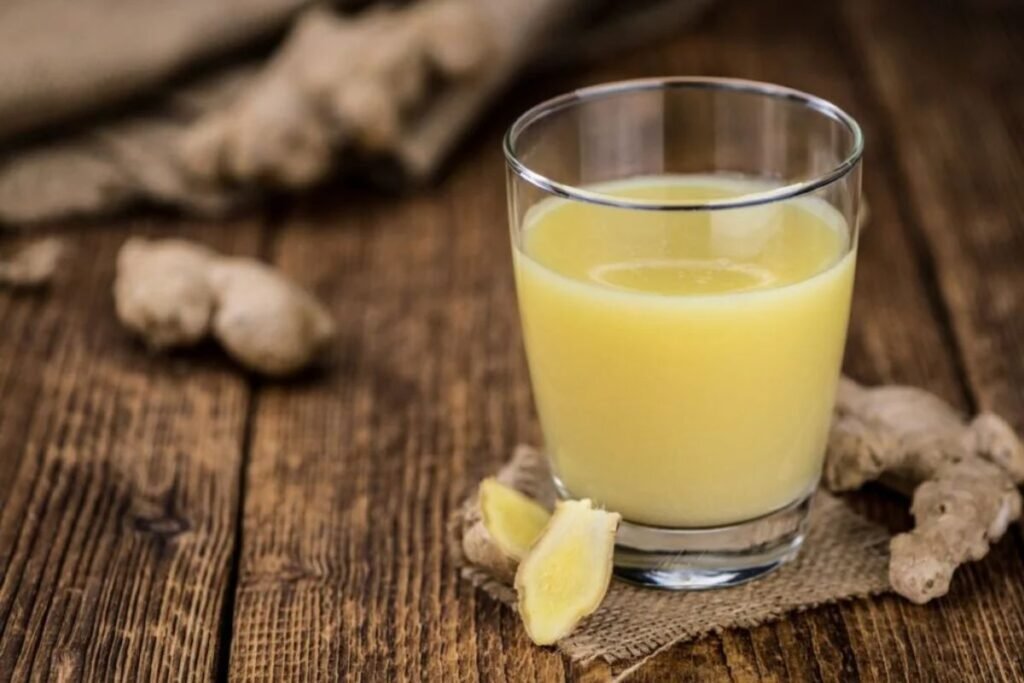
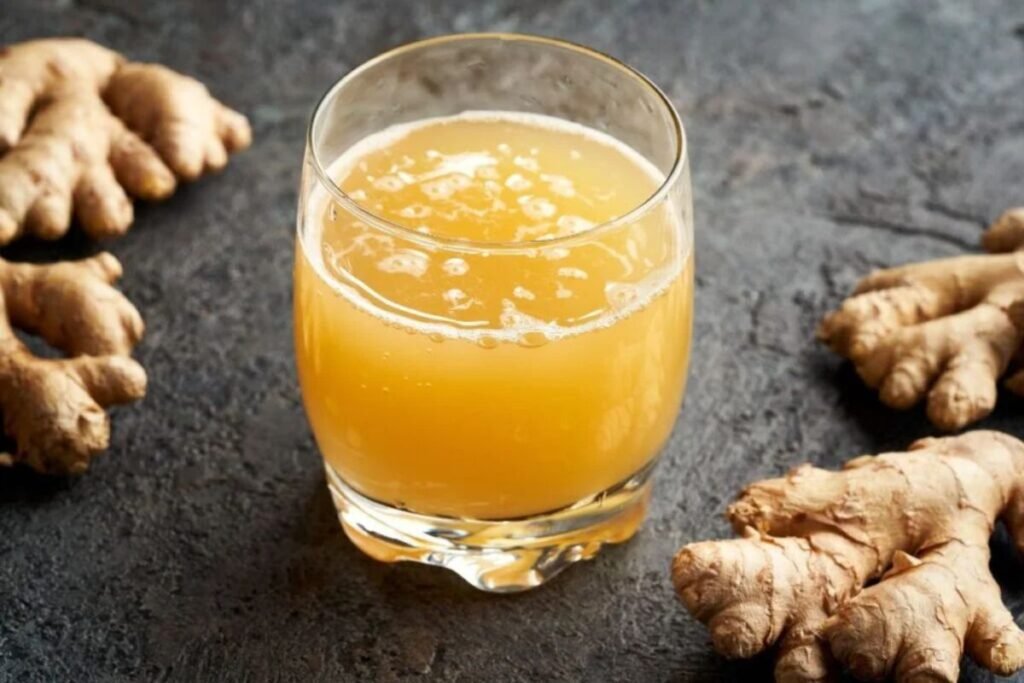
Freshly pressed ginger juice appears either clear (when filtered) or slightly cloudy (when unfiltered), typically displaying a pale yellow to light orange, amber-like hue.
Compounds Found in Ginger Juice
Examining a product down to its smallest components is always intriguing, and ginger juice is no exception. From a nutritional standpoint, 100 ml of ginger juice provides very little energy—only about 6–12 kcal, roughly 1–3 g of carbohydrates, up to 0.2 g of protein, and virtually no fat. Yet despite its low caloric value, ginger juice is rich in bioactive compounds.
It contains modest amounts of vitamins, notably vitamin C and folate (vitamin B9), and minerals, particularly magnesium and potassium. Most impressively, ginger juice boasts approximately 115 different antioxidants, as well as anti-inflammatory and phytochemical substances. Among the most significant are gingerols, shogaols, zingerone, volatile oils, and diarylheptanoids—compounds that largely account for ginger’s distinctive flavor, aroma, and reputed health-supporting properties.
Health Benefits of Ginger Juice
Ginger rhizomes, along with teas, juices, and other preparations, have long been regarded in folk medicine as some of nature’s most trusted “healers” and health-enhancing agents. In vitro and in vivo studies documented dozens of beneficial properties of ginger juice. These investigations primarily highlight a broad spectrum of antioxidant, anti-inflammatory, antimicrobial, anticancer, and other health-supporting effects.
Antioxidant activity
Gingerols and shogaols in ginger juice help neutralize free radicals in the body, thereby reducing oxidative stress and protecting cells from damage. This antioxidant action supports overall health and may slow age-related degenerative processes.
Anti-inflammatory effects
Compounds present in ginger juice may help reduce inflammation and lower the risk of inflammation-related diseases. Research has shown that ginger constituents significantly suppress pro-inflammatory molecules such as TNF-α and interleukin-6 (IL-6). Yet it increases levels of anti-inflammatory interleukins, including IL-10 and IL-22. Such effects are particularly beneficial for individuals with arthritis, as they may alleviate joint pain and help reduce the risk of cardiovascular disease and diabetes.
Neuroprotective properties
Building on its anti-inflammatory action, studies indicate that ginger may also help reduce inflammation in the brain and nervous system. This neuroprotective effect associates with improved cognitive function and may help delay the onset or progression of neurodegenerative disorders such as Alzheimer’s and Parkinson’s diseases.
Digestive support and relief from nausea
Scientific evidence suggests that ginger and its extracts are effective in alleviating nausea, including pregnancy-related nausea and chemotherapy-induced vomiting. Ginger-based beverages stimulate digestion and help ease gastrointestinal discomfort such as bloating, gas, cramps, constipation, and excessive stomach acidity.
Cardiovascular health support
Regular consumption of ginger and ginger juice may help lower blood cholesterol levels, regulate blood pressure, and improve circulation. Together, these effects reduced the risk of heart and blood vessel diseases.
Immune defense against bacteria and viruses
Ginger juice exhibits antimicrobial and antiviral activity, supporting the body during colds and other infections. Studies have shown that compounds in ginger juice can effectively inhibit bacteria such as Pseudomonas aeruginosa (with high resistance to many antibiotics). Ginger essential oil has also demonstrated strong activity against foodborne pathogens like Escherichia coli and Staphylococcus aureus. Additionally, moderate inhibitory effects have been observed against fungal organisms, including Candida species and Aspergillus niger.
Metabolic regulation
Research indicates that ginger may help regulate blood sugar levels, improve insulin sensitivity, and reduce the risk of diabetes-related complications. Ginger consumption has also been linked to a lower risk of obesity, as its bioactive compounds can inhibit fat accumulation and adipogenesis. Ginger juice may reduce appetite and hunger, accelerate metabolic rate, and promote thermogenesis—the process of heat production in the body.
Anticancer potential
Laboratory studies have shown that polyphenolic compounds in ginger, particularly in dried ginger preparations, can act at multiple stages of cancer development, including initiation, progression, metastasis, and drug resistance. These compounds inhibit the growth of gastric adenocarcinoma and colorectal cancer cells, with similar suppressive effects observed in studies involving human prostate cancer cells.
Moderation Matters: How Much Ginger Juice Is Enough?
Because ginger juice is highly concentrated and potent, you should consume it in moderation. A key recommendation is 1–2 tablespoons per day, with a generally safe intake ranging from 20 to 30 ml of pure ginger juice daily, divided into several portions. Beginners are advised to start with smaller amounts—around 5–10 ml per day—and monitor their body’s response.
When diluted with water, tea, or other juices, up to 100–200 ml of a ginger-based beverage can be safely enjoyed.
How to Make Ginger Juice at Home
Whenever possible, it is best to prepare natural juices yourself using fresh ginger root. Homemade ginger juice preserves the plant’s full aroma, potency, and nutritional value, while allowing you to control both concentration and freshness.
What You’ll Need:
- 100–200 g of fresh ginger root
- About 100 ml of water (optional, for dilution)
- A blender, food processor, grater, or juicer
- A fine strainer, cheesecloth, or reusable cloth bag
Preparation Method:
- Rinse the fresh ginger thoroughly under running water. Peel the skin using a spoon or vegetable peeler, then cut the root into small pieces.
- Place the ginger pieces into a blender or food processor. Add a small amount of water to make blending easier. Process until a smooth, uniform pulp forms.
- Transfer the pulp into a fine strainer, cheesecloth, or cloth bag and squeeze firmly by hand to extract the juice into a clean container. For extra-clear juice, strain it once more through a fine mesh sieve.
- Pour the finished juice into an airtight container and store it in the refrigerator. Fresh ginger juice will keep for approximately 2–3 days.
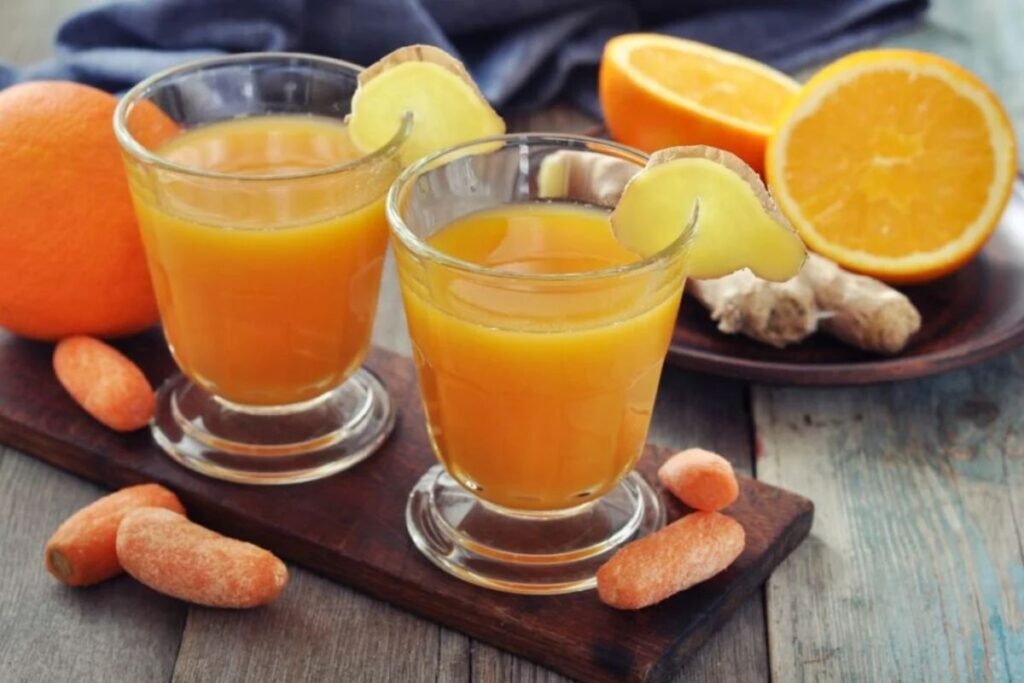
Ginger Juice with Carrots and Oranges
For a delicious, nutrient-rich boost to your immune system and energy levels, try combining ginger with carrot and orange juice. This blend balances ginger’s sharp intensity with natural sweetness and freshness.
Ingredients:
- A 2 cm piece of fresh ginger root
- 2 carrots
- 1 orange
- 100 ml of water (optional, for dilution)
Preparation:
- Wash and peel the carrots, orange, and ginger. Cut them into smaller pieces.
- Extract the juice using a juicer, processing the carrots, orange, and ginger together. Alternatively, blend all ingredients and strain the mixture through a sieve or cheesecloth.
- If the flavor is too intense, dilute with a splash of water.
- Pour into a glass and, if desired, add a few ice cubes or a sprig of fresh mint for a refreshing finish.
Possible Side Effects of Ginger Juice
Unfortunately, ginger juice is not suitable for everyone. Side effects have been observed in some individuals, particularly when consumed in excessive amounts. You should consider reducing or discontinuing ginger juice intake if you experience any of the following:
- Excessive consumption may irritate the stomach lining, causing heartburn, acidity, or a burning sensation.
- Large amounts of ginger may slightly increase heart rate or trigger irregular heartbeat in sensitive individuals.
- Ginger can act as a natural blood thinner, increasing the risk of bleeding.
- Ginger juice may lower blood pressure, so individuals taking antihypertensive medication should exercise caution.
- Some people may develop skin rashes, itching, or other allergic reactions.
- Ginger can reduce blood sugar levels; therefore, people with diabetes should closely monitor their glucose levels, especially when taking medication.
- Although ginger is often recommended to relieve nausea, excessive intake during pregnancy may increase the risk of bleeding or premature labor. Pregnant women should consult a healthcare professional before consuming ginger juice.
Sources:
- https://juicingbliss.com/ginger-juice-nutrition/
- https://www.herbazest.com/herbs/ginger/ginger-nutrition
- https://www.mdpi.com/2076-3921/12/11/2015
- https://www.britannica.com/plant/ginger
- https://powo.science.kew.org/taxon/urn:lsid:ipni.org:names:798372-1
Associative photos © Canva.