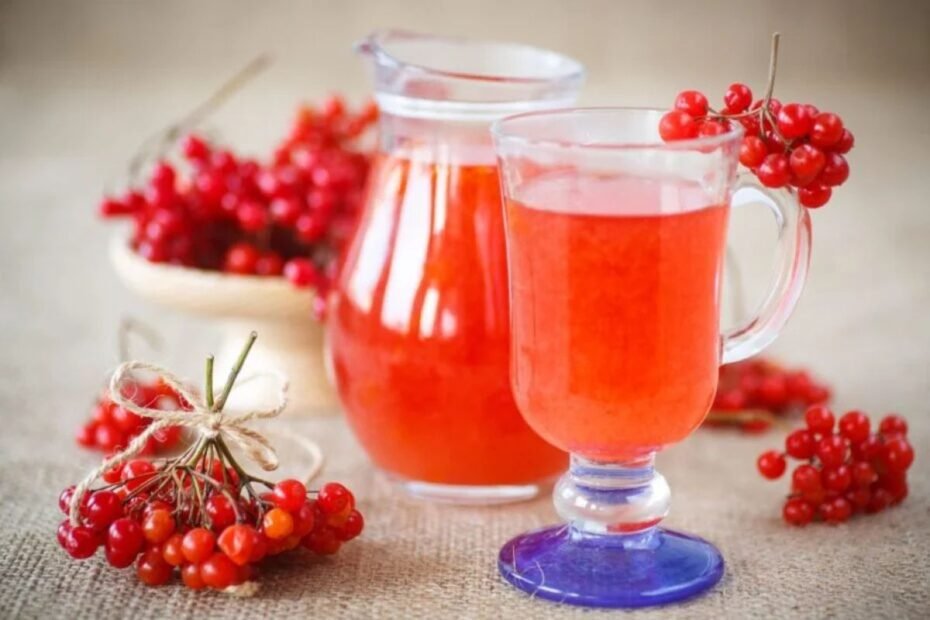
The guelder rose shrub, adorned with clusters of bright red berries, holds a special place in both traditional medicine and ornamental gardening. Its small red drupes, often called berries, are prized for their unique health-promoting properties. These vibrant fruits are used to prepare natural remedies and food products, one of the most popular being guelder rose juice.
Making this juice is quite simple, yet achieving the best flavor requires some know-how. Below, you will learn about the benefits of guelder rose berry juice, different ways to prepare it, and how to consume it properly.
The Plant Behind the Juice—The Guelder Rose
There are about 200 species of Viburnums worldwide, but only the guelder rose (Viburnum opulus) is traditionally used for making health-promoting juices.
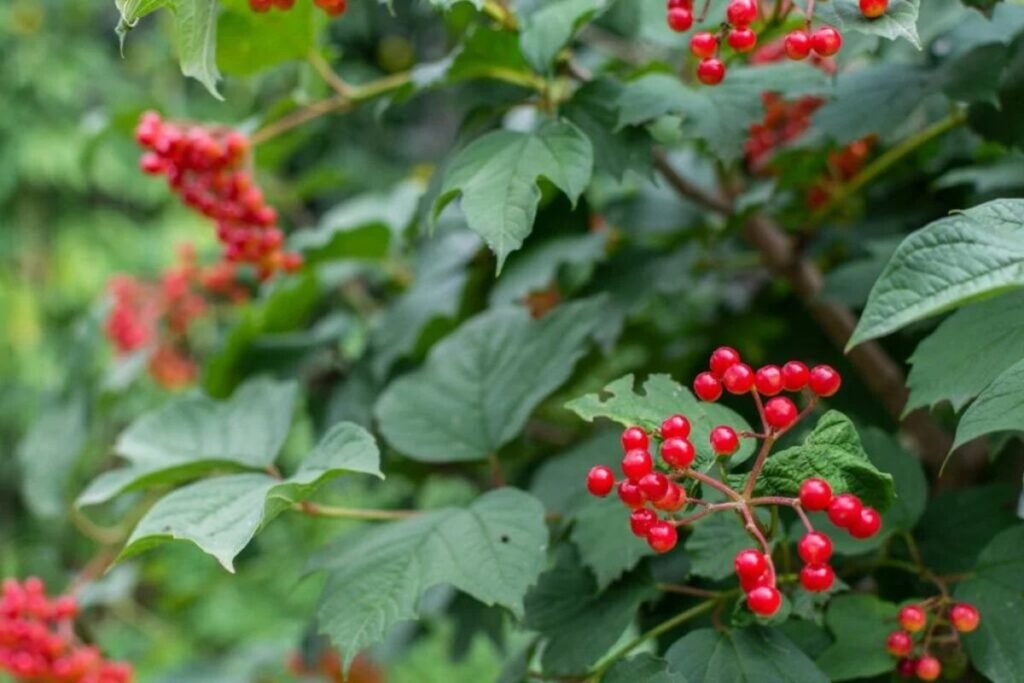
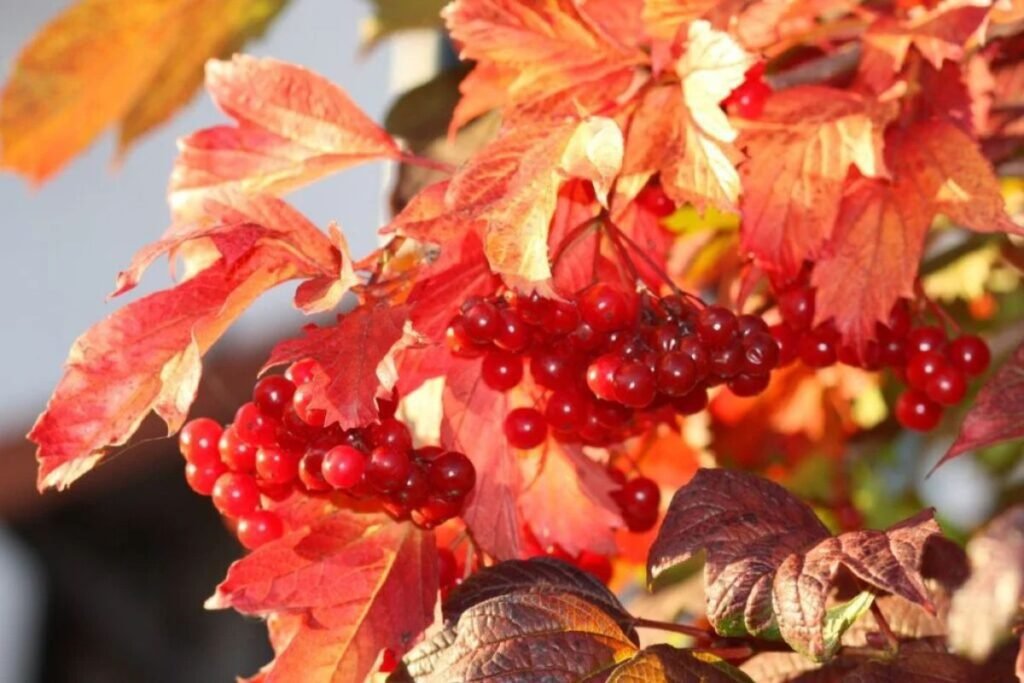
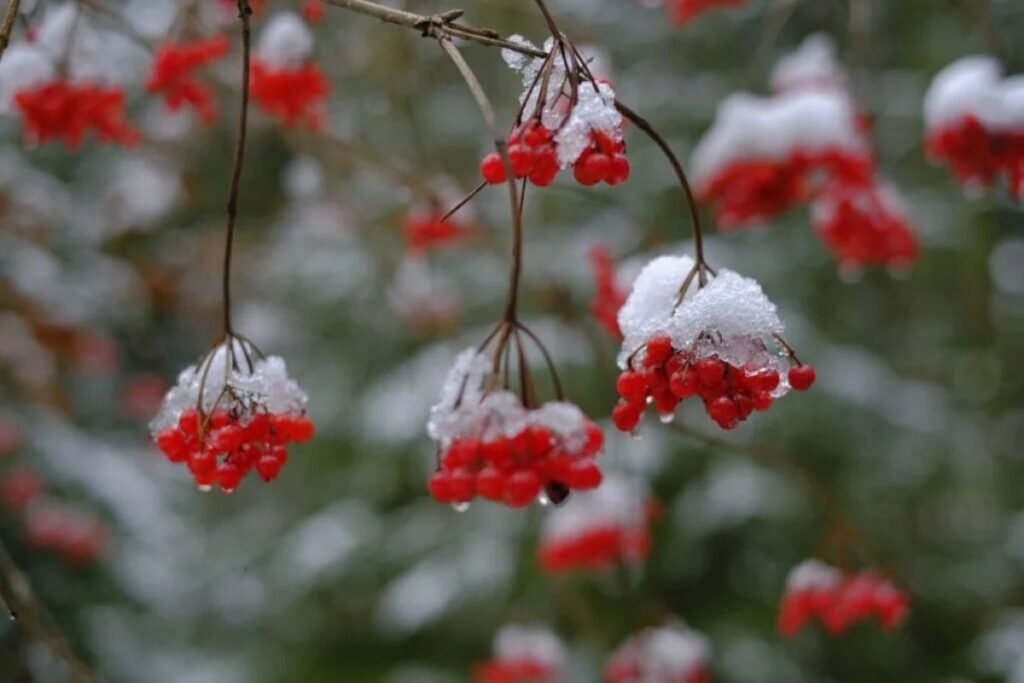
This perennial deciduous shrub, belonging to the Viburnaceae family, typically grows between two and five meters tall. It has lobed, toothed leaves and produces beautiful umbrella-shaped clusters of white flowers in June and July that resemble hydrangea blossoms. By autumn, the plant bears vivid red, round fruits often referred to as berries, which may remain on the branches throughout winter or even longer.
The guelder rose grows naturally across Europe, Asia, and North Africa. It is a common sight along forest edges, riverbanks, and lake shores. Owing to its attractive reddish foliage, showy blooms, and striking clusters of berries, it is frequently cultivated in homesteads, gardens, and parks as an ornamental shrub.
Guelder Rose Berry Juice—A Flavor Like No Other
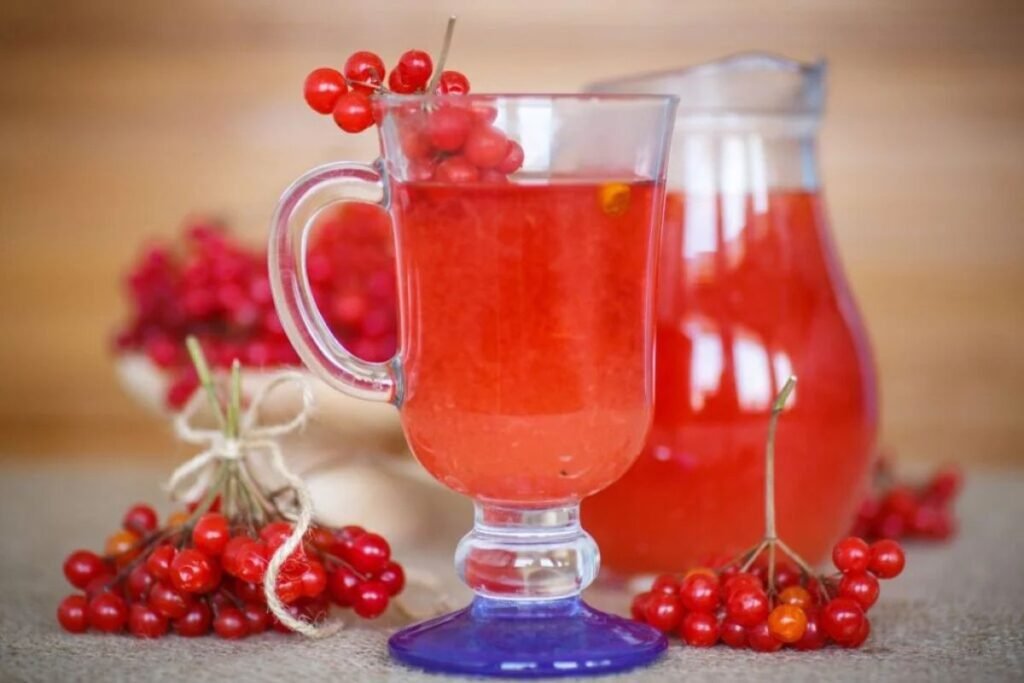
Guelder rose juice stands out for its distinctive taste, color, and aroma. The flavor is tart and slightly bitter, often compared to cranberries or even juniper berries, with a pleasant acidity that adds freshness. Because of its intensity, the juice is blended with honey or other fruit juices to create a smoother, more balanced taste.
The color of guelder rose juice ranges from rich scarlet to deep red, depending on the berries’ ripeness and harvesting time. Its aroma combines subtle bitterness with a faint tang—recognizable yet not overpowering, reminiscent of wild forest berries.
Nutritional Value of Guelder Rose Juice
Guelder rose juice is rich in beneficial nutrients that make it valuable for overall health. It is a low-calorie drink (around 26 kcal per 100 g), but its true worth lies in its concentration of vitamins, minerals, and antioxidants rather than its caloric content.
Because the juice is often sweetened with honey or sugar, the final calorie value may vary. While scientists study the berries more extensively, most of the valuable compounds are also retained in the juice.
In 100 grams of fresh guelder rose berries, you can find approximately:
- 82 mg of vitamin C
- 200 IU of vitamin A
- 2.1 mg of vitamin E
- 120 mg of potassium
- 12 mg of magnesium
- 0.6 mg of iron
- 15 mg of flavonoids
- 50 mg of polyphenols
- 2.8 g of organic acids (including malic, citric, tartaric, and quinic acids)
- 5.5 g of dietary fiber
Although guelder rose berries contain between 4.0% and 8.8% natural sugars and 9.0% and 24.7% soluble solids, which gives them considerable health potential.
Thanks to this rich composition, guelder rose juice may help combat inflammation, microbial infections, and oxidative stress, while supporting the body in managing various ailments and functional imbalances. Let’s explore how these compounds work and why this juice has been cherished in traditional health practices.
Health Benefits of Guelder Rose Juice
Traditional medicine and wellness practices value guelder rose juice for its potential health benefits. Folk medicine often uses guelder rose berries to support kidney health, treat stomach, heart, and liver conditions, stop bleeding, reduce high blood pressure, and manage ulcers, colds, tuberculosis, rheumatism, menstrual discomfort, and even diabetes. Thanks to its anti-inflammatory, antioxidant, immune-boosting, and blood pressure-regulating properties, guelder rose juice is a valuable addition to the prevention and management of cardiovascular issues, respiratory infections, skin problems, and digestive disorders. Scientific studies, both in vitro (test tube experiments) and in vivo (animal studies), support many of the health-promoting properties outlined below:
Guelder Rose Juice Benefits
Immune system support: Guelder rose berries have vitamin C, which strengthens the immune system, helps fight infections, and accelerates recovery. Vitamins also act as powerful antioxidants, protecting cells from oxidative stress caused by free radicals.
Cardiovascular health: Compounds in guelder rose berries may help dilate blood vessels, lower blood pressure, and promote heart health. Potassium helps regulate fluid balance, while flavonoids provide antioxidant protection for the cardiovascular system.
Anti-inflammatory effects: Tannins and polyphenols in guelder rose juice have anti-inflammatory properties, which can help reduce inflammation in chronic diseases, joint issues, or skin conditions. Recent studies have also explored guelder rose extracts as a potential anti-cancer agent.
Respiratory support: Traditionally, guelder rose juice has been used to alleviate colds, bronchitis, and coughs. It can help reduce mucus, improve airway function, and ease respiratory symptoms.
Skin and hair health: Guelder rose juice is an excellent source of vitamin A, supporting healthy skin, slowing aging processes, and protecting against free radicals. The juice may also strengthen hair and protect it from environmental damage.
Digestive health: Organic acids and fiber in the berries stimulate gastric acid production and aid digestion. Even small amounts of fiber can help regulate bowel movements.
Kidney support: Organic acids in guelder rose juice may help prevent kidney stone formation, dissolve existing stones, and protect against kidney inflammation.
Antimicrobial activity: Studies show that guelder rose juice at 10–15% concentration can inhibit the growth of various pathogenic bacteria. Minimal doses of guelder rose extracts have been shown to suppress both Gram-positive and Gram-negative bacteria, as well as certain fungi.
Women’s health: The antispasmodic properties of guelder rose berries make the juice beneficial for relieving premenstrual syndrome (PMS) symptoms. Some studies even suggest potential benefits in managing conditions like endometriosis.
When to Harvest Guelder Rose Berries to Make Juice?
Guelder rose berries are naturally tart and slightly bitter, which can make raw juice less palatable. Proper harvesting timing can reduce these unwanted flavors. The best time to pick guelder rose berries is after the first frost, usually in late October or early November, depending on your climate.
- Frost reduces the berries’ bitterness, as cold temperatures naturally alter their chemical composition.
- Fully ripe berries harvested in autumn have the highest concentration of nutrients, including vitamins and antioxidants.
- Frost-softened berries are juicier and easier to press, producing more juice.
- If harvested before frost, berries can be frozen to mellow their flavor and preserve nutrients.
How to Consume Guelder Rose Juice
Due to its strong, slightly bitter flavor, guelder rose juice is best consumed in small amounts. Suggested intake:
- For general wellness and blood pressure support: 1–2 tablespoons once or twice daily.
- To support the respiratory system: 3–4 tablespoons spread throughout the day.
- For digestion: 1 tablespoon before meals.
Always dilute the juice with water or tea and sweeten with honey to balance bitterness. It can be added to warm water as a cold drink or to tea as a healthful supplement.
For therapeutic use, drink the juice for 2–4 weeks, then take a break. Dosage and frequency should be tailored to your health status. Consult a doctor before long-term use, especially if you have chronic conditions.
Fresh Guelder Rose Juice Recipe
This simple recipe allows you to make traditional guelder rose juice from fresh berries. Use it in moderation or blend it with other drinks.
Ingredients:
- 1 kg guelder rose berries
- Water (as needed)
- Optional: sugar or honey to taste
Instructions:
- Rinse the berries under cold water and remove stems.
- Crush the berries using a mortar or blender.
- Strain the mash through cheesecloth or a sieve to separate juice from solids. Add water if the juice is too thick.
- Sweeten with honey or sugar as desired.
- Store juice in the refrigerator and consume it within a few days.
Preserving Guelder Rose Juice for Winter
You can preserve guelder rose juice to have a natural “remedy” on hand during the colder months.
Ingredients:
- 1 kg of guelder rose berries
- 500 ml of water
- 200–300 g sugar (to taste)
Instructions:
- Rinse berries and remove stems.
- Boil berries in water over low heat for 15–20 minutes until softened.
- Strain the cooked berries through cheesecloth or a sieve.
- Stir sugar into the hot juice until dissolved.
- Pour into sterilized jars and seal tightly. Store in a cool, dark place.
Fermented Guelder Rose Juice
Fermented guelder rose juice is rich in probiotics and has lower acidity and bitterness, higher antioxidants, and reduced sugar.
Ingredients:
- 1 kg of guelder-rose berries
- 500 ml of water
- 100–200 g sugar
Instructions:
- Prepare berries as above and boil with water for 10 minutes, then cool.
- Add sugar to the cooled juice and allow it to ferment at room temperature for 2–3 days, stirring daily.
- Refrigerate after fermentation and consume within a few days.
Possible Side Effects of Guelder Rose Juice
While generally beneficial, guelder rose juice may cause side effects. Consult a healthcare professional before using it, especially if you have pre-existing health conditions. Stop consumption if any unusual symptoms appear.
Possible side effects include:
- Allergic symptoms may include rashes, itching, swelling, or breathing difficulties. Some individuals may react after a single serving.
- High fiber content may cause bloating, constipation, or diarrhea if consumed in excess.
- The natural tartness may irritate sensitive stomachs or cause reflux.
- Juice may lower blood pressure; those with hypotension may experience dizziness or weakness if consumed in large amounts.
- It may interact with anticoagulants or other blood pressure medications.
- Compounds in the juice can stimulate uterine contractions and affect hormonal balance. Pregnant women and young children should avoid it.
Sources:
- https://www.vle.lt/straipsnis/putinas
- https://www.ncbi.nlm.nih.gov/pmc/articles/PMC7694363
- https://www.mdpi.com/2076-3417/11/19/9221
- https://www.healthline.com/nutrition/cramp-bark-guelder-rose
- https://akjournals.com/view/journals/066/35/4/article-p487.xml
Associative photos © Canva.