
At first glance, such a product as goji berry juice may seem unusual or even exotic, but there is no need for hesitation. Goji berries (also known as wolfberries) have long been praised for their extraordinary nutritional profile and have secured a strong position among the world’s most valued superfoods. With each sip, you’re not only nourishing your body but also supporting your overall health and vitality. You’ll soon discover how surprisingly simple recipes can make this juice a regular addition to your diet.
What Exactly Are Goji Berries?
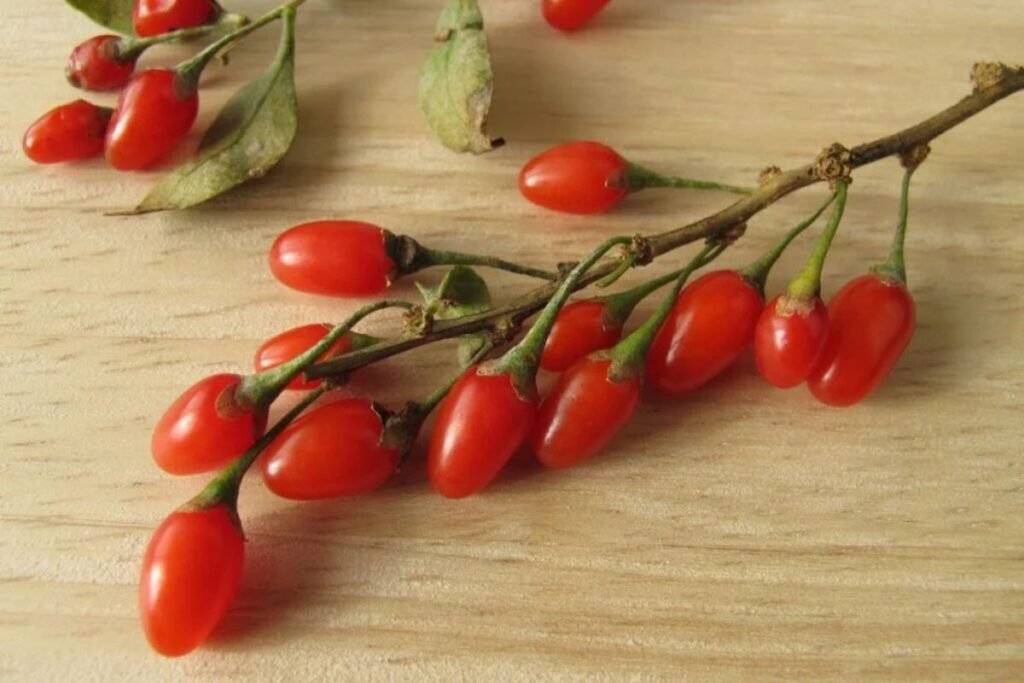
The goji berries are the small fruits of the spiny shrubs Lycium barbarum and Lycium chinense, which grow up to 2–3 meters in height. The term “goji” itself is derived from a Europeanized version of the original Chinese name, while the plant belongs to the nightshade family (Solanaceae).
People easily recognize the shrub by its thin, thorny branches and narrow, lance-shaped leaves. In bloom, it produces delicate violet or pinkish bell-shaped flowers, which later give way to elongated or round berries. Though most often bright red, they can also appear in shades of orange, yellow, or even black. While not widely cultivated in some European countries, dried goji berries—celebrated as a superfood—are imported from East Asia and readily available in local markets.
Nutritional Value of Goji Berry Juice
If you’re wondering whether goji berry juice deserves a place in your diet, its nutritional profile will make the decision clear. A 100 ml serving contains only about 30–50 kcal, yet it delivers various essential vitamins and minerals, such as vitamins A and C (plus small amounts of B1, B2, B6, and E), iron, zinc, potassium, and selenium; 6–10 g of carbohydrates (of which 4–8 g are sugars); 1–2 g of protein; 1–2 g of dietary fiber; and virtually no fat.
On top of that, goji berries are a rich source of antioxidants, particularly zeaxanthin and lutein, which help protect cells from oxidative stress and support eye health.
Health Benefits of Goji Berry Juice
For centuries, traditional Chinese medicine has regarded goji berries as a tonic for enhancing energy, improving vision, regulating blood pressure, and supporting the immune system. Modern research now confirms many of these benefits, including antifungal, antibacterial, anticancer, and hepatoprotective functions. Regular consumption of goji berry juice may:
- Boost immune function—Polysaccharides in the berries strengthen the immune system and increase white blood cell activity, while antimicrobial compounds enhance resistance to infections.
- Provides antioxidant protection—neutralizes harmful free radicals, reducing oxidative stress linked to aging, heart disease, and cancer.
- With their high zeaxanthin content, goji berries safeguard eye cells from UV exposure and contribute to reducing age-related macular degeneration risk.
- Improve skin condition—Vitamin C and antioxidants stimulate collagen production, enhance elasticity, and reduce visible signs of aging.
- Studies suggest that goji berries help regulate glucose levels and improve insulin sensitivity.
- Their cholesterol-lowering, anti-inflammatory, and antioxidant effects support cardiovascular function.
- Increase energy and mood—Many report feeling more energized and uplifted, likely due to improved circulation and oxygen delivery.
- Compounds in goji berries help guard against toxins and promote liver regeneration.
- Certain substances may inhibit tumor growth and trigger cancer cell apoptosis.
- Regular use has been linked to faster sleep onset and deeper, more restorative rest, resulting in quality sleep.

Flavor Profile and Juice Preparation
Goji berry juice has a unique flavor—slightly sweet with a gentle tartness and a hint of bitterness. It can be compared to cranberries or cherries, but with earthy undertones reminiscent of prunes or raisins. Enjoyed pure or blended with other fruits (like apples, oranges, or berries), it makes for a refreshing and versatile drink.
The good news is that you can make goji berry juice from both fresh berries picked from your garden and dried berries purchased from stores. The preparation methods differ slightly, so we will provide specific instructions on how to make them.
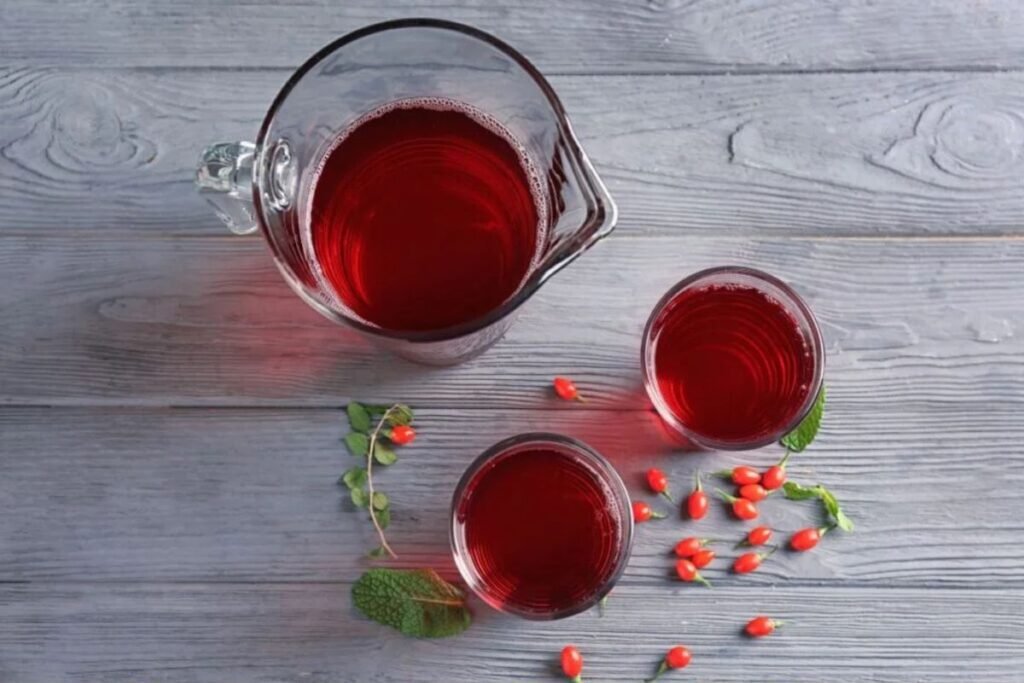
Fresh Goji Berry Juice
Fresh wolfberries are not a common harvest in many gardens, but if you happen to have some, be sure to try making juice. Of course, it is always better to drink freshly prepared juice, and if it also contains pulp, you will achieve perfection in terms of both benefits and taste.
Ingredients:
- 1 cup fresh goji berries (about 150 g)
- ½ cup water (120 ml)
- 1 tbsp honey or agave syrup (optional)
- 1 tsp lemon or lime juice (optional, for brightness)
Instructions:
- Rinse the fresh berries thoroughly and drain.
- Blend with water until smooth; add sweetener if desired.
- Strain through a fine sieve or cheesecloth, or leave the pulpy part for fiber.
- Stir in lemon or lime juice for freshness.
- Serve immediately with ice cubes if preferred.
Dried Goji Berry Juice
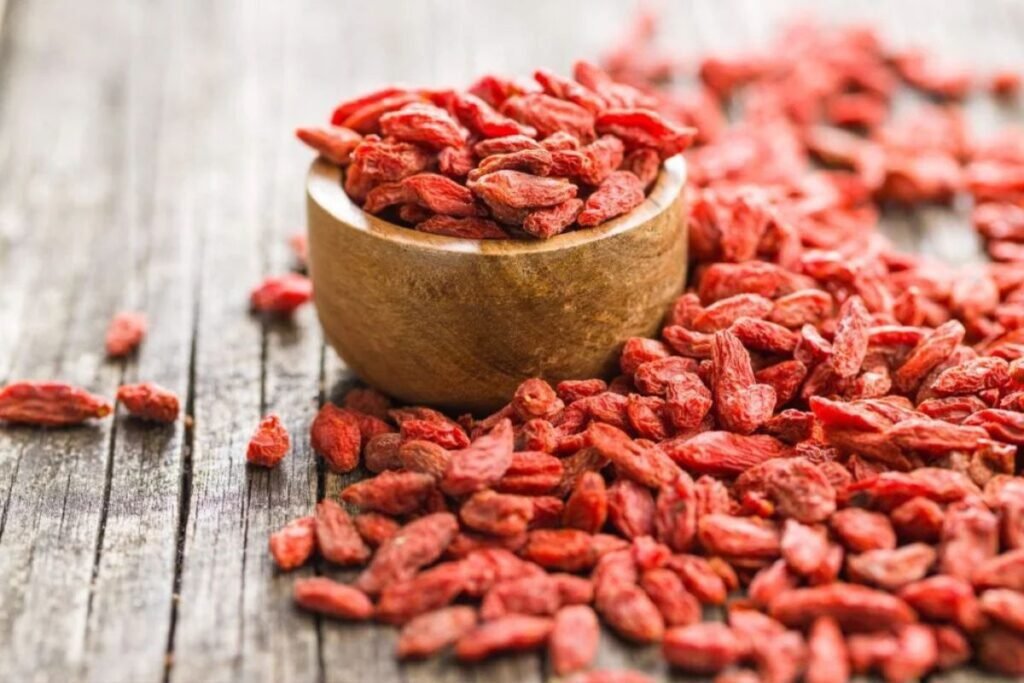
But what about those who have never seen fresh goji berries? Fortunately, you can prepare your dream goji berry juice from dried berries, which are widely available in supermarkets.
Ingredients:
- ½ cup dried goji berries (about 50 g)
- 2–3 cups water (500–750 ml)
- 1–2 tbsp honey or agave syrup (optional)
- 1 tsp lemon juice (optional)
Instructions:
- Soak dry berries in 1–2 cups of warm water for 1–2 hours until they become soft.
- Transfer berries to a blender with the remaining water and mix until smooth.
- Sweeten the mix and add lemon juice if desired.
- Strain or serve as is, depending on texture preference.
- Store leftovers in a sealed container in the refrigerator for up to 2–3 days.
Possible Side Effects and Precautions
While goji berry juice is generally safe, some individuals should exercise caution and consult a healthcare professional:
- These juices may interfere with blood thinners, diabetes medications, blood pressure drugs, and immunosuppressants.
- Some people may experience rashes, itching, swelling, or other allergic reactions, especially those allergic to other nightshades (e.g., tomatoes, potatoes, peppers).
- High fiber and polysaccharide content may cause bloating, nausea, diarrhea, and other digestive issues if consumed in excess.
- Compounds in goji berries can raise blood pressure, so people with hypertension should take medication cautiously.
- Rarely, goji berries may increase sensitivity to sunlight, causing skin redness or irritation.
- Although often beneficial, some studies suggest they can elevate certain liver enzymes, signaling possible stress.
- Because goji juice can lower blood sugar, people with diabetes should monitor their levels to avoid hypoglycemia.
Sources:
- https://www.utep.edu/herbal-safety/herbal-facts/herbal%20facts%20sheet/goji.html
- https://web.archive.org/web/20121120203800/http://www.food.gov.uk/multimedia/pdfs/gojiberriesrep.pdf
- https://extension.usu.edu/yardandgarden/research/goji-in-the-garden
- https://pubmed.ncbi.nlm.nih.gov/21950628/
Associative photos © Canva.